 Call
Call Patient Reports
- Cardiology 84
- Dermatology 45
- Endocrinology 33
- ENT 16
- Fertility 190
- Gastroenterology 78
- General-Medicine 81
- Gynecology 80
- Hematology 19
- Infectious-Diseases 33
- Neurology 52
- Oncology 34
- Ophthalmology 23
- Orthopedics 69
- Pediatrics 31
- Procedure 23
- Public-Health 144
- Pulmonology 59
- Radiology 8
- Urology 68
- Wellness 161
- Woman-and-child 77
- 3759
- 3.5 Minute
Glucose Testing in Pregnancy
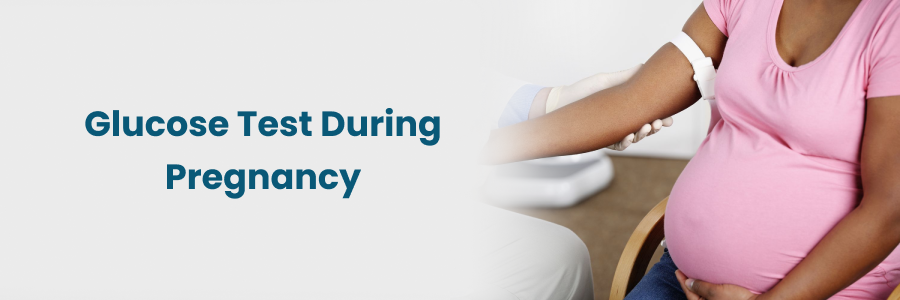
Pregnancy is a time of immense physiological changes, and monitoring maternal health is crucial for ensuring both maternal and fetal well-being. One critical aspect of prenatal care is the assessment of glucose levels to screen for gestational diabetes. This article delves into the nuances of glucose testing during pregnancy, elucidating the procedures, timing, and implications of various tests.
The Importance of Glucose Testing in Pregnancy
Gestational diabetes mellitus (GDM) is a condition characterized by glucose intolerance that is first identified during pregnancy. Untreated GDM can lead to complications such as macrosomia (large baby), preeclampsia, and an increased risk of cesarean delivery. Moreover, it predisposes both mother and child to metabolic disorders later in life. Consequently, early detection and management are paramount.
Get a second opinion from trusted experts and makeconfident, informed decisions.
Get Second OpinionNot sure where to start?
Talk to a patient care advisor — free, confidential, 24/7. We'll match you to the right specialist and book your appointment in minutes.
Types of Glucose Tests During Pregnancy
Several tests are employed to assess glucose levels and screen for gestational diabetes. These include the Glucose Challenge Test (GCT), the Oral Glucose Tolerance Test (OGTT), and routine blood sugar monitoring.
The Glucose Challenge Test (GCT)
The Glucose Challenge Test is a preliminary screening tool used to identify individuals at risk for gestational diabetes. It is typically performed between 24 and 28 weeks of gestation.
Procedure
- Preparation: Unlike many other blood tests, fasting is not required for the GCT.
- Administration: The patient consumes a glucose solution containing 50 grams of sugar.
- Blood Draw: Blood is drawn one hour after ingestion to measure the blood sugar level.
Interpretation
The threshold value for the one-hour glucose test for pregnancy is generally set at 140 mg/dL. Values above this threshold necessitate further testing with the Oral Glucose Tolerance Test.
The Oral Glucose Tolerance Test (OGTT)
The OGTT is a more definitive test for diagnosing gestational diabetes. It is typically performed if the GCT results are abnormal.
Procedure
- Preparation: Patients are required to fast overnight (at least 8 hours).
- Baseline Measurement: A fasting blood sugar level is obtained.
- Glucose Administration: The patient drinks a glucose solution containing 75 or 100 grams of sugar, depending on the protocol.
- Subsequent Measurements: Blood samples are collected at one, two, and sometimes three hours after glucose ingestion.
Interpretation
The diagnostic criteria for gestational diabetes depend on the specific guidelines being followed (e.g., ADA, WHO). Generally, GDM is diagnosed if two or more of the following values are exceeded:
- Fasting: 95 mg/dL
- 1 hour: 180 mg/dL
- 2 hours: 155 mg/dL
- 3 hours: 140 mg/dL
Routine Blood Sugar Monitoring
In addition to the GCT and OGTT, routine blood sugar monitoring may be recommended for high-risk pregnancies or for those already diagnosed with gestational diabetes. This involves regular self-monitoring of blood glucose levels to maintain them within the target range.
Timing of Glucose Testing During Pregnancy
The timing of glucose testing is crucial for accurate diagnosis and management of gestational diabetes.
Initial Screening
The initial screening with the GCT is typically conducted between 24 and 28 weeks of gestation. However, women with risk factors such as obesity, a history of GDM, or a family history of diabetes may be screened earlier.
Follow-up Testing
If the GCT results are abnormal, the OGTT is usually scheduled within a week to confirm the diagnosis. For women diagnosed with GDM, continuous monitoring and follow-up testing are essential throughout the pregnancy to ensure optimal glycemic control.
Normal Glucose Levels During Pregnancy
Maintaining normal glucose levels during pregnancy is vital for reducing the risk of complications. The target ranges for blood glucose levels in pregnant women are generally as follows:
- Fasting: <95 mg/dL
- 1-hour postprandial: <140 mg/dL
- 2-hour postprandial: <120 mg/dL
Managing Gestational Diabetes
Once diagnosed, gestational diabetes requires a comprehensive management plan that includes dietary modifications, physical activity, and, in some cases, medication.
Dietary Modifications
A balanced diet with controlled carbohydrate intake is fundamental. Women are advised to consult a registered dietitian to develop a personalized meal plan that meets their nutritional needs while maintaining glucose levels within the target range.
Physical Activity
Regular physical activity helps improve insulin sensitivity and glycemic control. Activities such as walking, swimming, and prenatal yoga are generally recommended, but it is crucial to consult with a healthcare provider before starting any exercise regimen.
Medication
If lifestyle modifications are insufficient to control blood glucose levels, medication may be necessary. Insulin is the most commonly prescribed treatment, but some oral hypoglycemic agents may also be considered.
Implications of Gestational Diabetes
The diagnosis of gestational diabetes has both immediate and long-term implications.
Short-term Implications
- Macrosomia: Excessive fetal growth can complicate delivery and increase the likelihood of cesarean section.
- Neonatal Hypoglycemia: Infants born to mothers with GDM may experience low blood sugar levels shortly after birth.
- Preeclampsia: GDM is associated with an increased risk of preeclampsia, a condition characterized by high blood pressure and potential organ damage.
Long-term Implications
- Type 2 Diabetes: Women with a history of GDM have a higher risk of developing type 2 diabetes later in life.
- Childhood Obesity and Metabolic Disorders: The offspring of mothers with GDM are at increased risk for obesity and metabolic disorders in childhood and adulthood.
Your health is everything - prioritize your well-being today.
Schedule Your AppointmentConclusion
Glucose testing during pregnancy is a vital component of prenatal care, ensuring early detection and management of gestational diabetes. Understanding the procedures, timing, and implications of glucose testing can empower expectant mothers to take proactive steps in maintaining their health and the health of their unborn child. By adhering to recommended screening protocols and adopting a comprehensive management plan, the risks associated with gestational diabetes can be significantly mitigated, promoting a healthier pregnancy and long-term well-being for both mother and child.
Frequently Asked Questions
The glucose test during pregnancy screens for gestational diabetes by measuring blood sugar levels.
A glucose tolerance test assesses how well your body processes sugar and is critical for diagnosing gestational diabetes.
The test typically involves fasting and then consuming a sugary drink followed by blood tests at intervals.
Normal levels vary, but fasting levels should generally be below 95 mg/dL.
The glucose test is usually done between 24 and 28 weeks of pregnancy to check for gestational diabetes.
- Cardiology
- Case Studies
- Dermatology
- Endocrinology
- ENT
- Fertility
- Gastroenterology
- General
- General-Medicine
- Gynecology
- Hematology
- Infectious-Diseases
- Medical News
- Neurology
- Oncology
- Ophthalmology
- Orthopedics
- Pediatrics
- Procedure
- Public-Health
- Pulmonology
- Radiology
- Second Opinion
- Urology
- Wellness
- Woman-and-child
Related Blogs
Still have questions? Speak with our experts now!
040-68334455


