 Call
Call Patient Reports
- Cardiology 84
- Dermatology 45
- Endocrinology 33
- ENT 16
- Fertility 190
- Gastroenterology 78
- General-Medicine 81
- Gynecology 80
- Hematology 19
- Infectious-Diseases 33
- Neurology 52
- Oncology 34
- Ophthalmology 23
- Orthopedics 69
- Pediatrics 31
- Procedure 23
- Public-Health 144
- Pulmonology 59
- Radiology 8
- Urology 68
- Wellness 161
- Woman-and-child 77
- 3444
- 3.8 Minute
Understand Kidney Functions and Ways One Could Damage Them
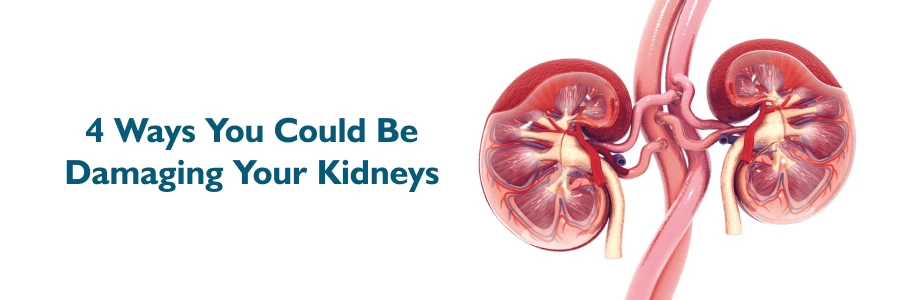
Two bean-shaped kidneys are positioned below the rib cage on each side of the spine. They conduct these critical activities to sustain overall health:
- The kidneys filter around 200 quarts of blood daily, eliminating waste and extra fluid.
- They have millions of tiny blood filters called nephrons, which have glomeruli that filter blood and tubules that return essential substances to the blood.
- The kidneys manage fluid balance by keeping 198 quarts of filtered fluid and expelling 2 quarts as urine.
- They stabilize bodily chemicals like salt, potassium, and acid.
- The kidneys eliminate waste products such as urea, uric acid, and poisons from the body through urine.
- They eliminate medicines and byproducts from the body.
- The kidneys generate hormones that regulate blood pressure, encourage red blood cell synthesis, and support bone health.
- The kidneys control blood pH balance, maintaining it within the usual range of 7.35-7.45.
In conclusion, the kidneys filter blood, regulate fluid and electrolyte balance, remove waste, produce hormones, and control pH. Kidney function is essential for good health.
Get a second opinion from trusted experts and makeconfident, informed decisions.
Get Second OpinionNot sure where to start?
Talk to a patient care advisor — free, confidential, 24/7. We'll match you to the right specialist and book your appointment in minutes.
What Is a Kidney Disease?
Kidney disease, often known as renal disease, includes disorders that impair the kidneys blood filtration. They gradually lose their ability to filter waste and fluid from the blood. High blood pressure and diabetes often cause it. If ignored, CKD can lead to renal failure and dialysis or transplant.
- Kidney disease symptoms include decreased urine production, hand and foot swelling, confusion, nausea, weakness, and shortness of breath. Early-stage renal disease can proceed silently without symptoms.
- Conditions like diabetes, high blood pressure, genetics, injuries, drugs, and long-term health issues can cause kidney disease. High blood pressure and diabetes cause most kidney damage.
- Diagnosis and Tests: Blood and urine tests assess kidney function, ultrasounds and CT scans visualize kidney anatomy, and kidney biopsy determines the type and extent of kidney injury. GFR, urine protein, and blood creatinine levels may also be tested.
- Treatment: Kidney disease treatment targets high blood pressure, diabetes, and cholesterol. ACE inhibitors, ARBs, and cholesterol-lowering medications may be prescribed. Dialysis or kidney transplants may be needed in extreme situations.
Kidney disease is significant and requires early detection and treatment to avoid complications and preserve kidney function. Kidney disease patients must follow treatment plans, screenings, and lifestyle changes.
Four Ways You Could Damage Your Kidneys
Here are the four habits that damage your kidney functions and lead to diseases.
- Dehydration
- Smoking
- Sugary drinks
- Lack of sleep
How does Dehydration Harm Kidneys?
Dehydration damages effect on kidneys in numerous ways:
- Reduced renal blood flow and nutrients: Dehydration makes it difficult for blood and nutrients to reach the kidneys. With severe dehydration, kidney function can decline.
- Waste and toxin buildup: Dehydration makes it harder for the kidneys to excrete waste and excess fluids through urine. The body may accumulate wastes and acids.
- Waste and toxin buildup: Dehydration sticks stone-forming crystals together, causing kidney stones. It also raises the risk of UTIs by not flushing bacteria.
- Permanent kidney damage: Chronic, severe dehydration can cause renal failure and impaired kidney function. Animal studies suggest that repeated dehydration causes chronic kidney diseases.
- Hazardous processes: Dehydration can activate hazardous pathways like the fructose-producing aldose reductase route and the hyperosmolarity-stimulated vasopressin pathway, damaging the kidneys.
In summary, dehydration decreases the kidneys ability to filter waste and excess fluids, raises the risk of kidney stones and infections, and can cause permanent kidney damage with repeated episodes. Hydration is essential for kidney health.
Is Smoking Bad for Kidney Health?
Smoking lowers blood flow to the kidneys, making it difficult for them to filter waste products. This causes toxins to build up and harm the kidneys.
- Smoking affects the kidneys glomeruli, lowering their efficiency and raising the risk of renal disease.
- Heavy smokers or long-term smokers are more likely to develop renal cell carcinoma, the most prevalent kidney cancer.
- Smoking can cause kidney stones, urinary tract infections (UTIs), and proteinuria, which can harm kidneys.
- Smoking accelerates the advancement of chronic kidney disease (CKD), reducing kidney function and increasing kidney injury risk.
In conclusion, smoking affects blood flow, damages kidney architecture, increases kidney cancer risk, and accelerates renal illnesses like CKD. Smoking must end to protect renal function and health.
Do Sugary Drinks Damage Kidneys?
- Sugary drinks may damage the kidneys. Research suggests that sugary drinks may raise the risk of kidney illnesses, including kidney and bladder cancer.
- Studies have linked sugary drink consumption to kidney and bladder cancer, especially in women. Sugary drinks can cause postprandial hyperuricemia and renal function loss due to their high fructose content.
- Carbonated beverages, especially colas, can cause urine alterations that lead to kidney stones, and drinking two or more colas a day can raise chronic kidney disease risk.
- Therefore, restricting sugary drinks, especially high-sugar ones, may benefit kidney function and general well-being.
How Does Sleep Affect Kidney Health?
Both short and long sleep durations increase the risk of chronic kidney disease (CKD).
Critical kidney health effects of sleep:
- A higher risk of CKD is associated with shorter sleep length (less than 6 hours) and longer sleep duration (more than 8-10 hours).
- A significant cohort research indicated that both short and extended sleep durations increased CKD risk.
- Sleep effects on kidneys, including difficulties falling asleep, frequent awakening, and use of sleeping drugs, are linked to an increased risk of CKD.
- Short sleep duration was linked to proteinuria, a kidney disease marker, in a meta-analysis.
- Sleep disruptions may cause CKD by activating the sympathetic nervous system and causing inflammation, resulting in glomerular endothelial damage.
- Sleep effects on kidneys regulate the autonomic nervous system, endothelial function, and metabolism, contributing to CKD.
- There is a potential bidirectional link between sleep difficulties and kidney disease, with sleep fragmentation activating the sympathetic nervous system and renal failure promoting sleep issues.
Short and extended sleep durations, as well as poor sleep quality, increase chronic kidney disease risk. Sleep quantity and quality may improve kidney health and prevent CKD.
Which Foods Harm Kidneys?
If you overeat certain types of foods, they can hurt your kidneys, especially if you already have kidney disease. Dont eat or eat less of these critical foods:
- Some foods that are high in sodium are processed meats like hot dogs, sausages, and cold meat.
- Soups, veggies, beans, and other canned foods
- foods bad for the kidneys snack foods like crackers, pretzels, and chips
- Meals that are already made and frozen
- Sodas that are dark, especially colas
- Foods to avoid kidney stones include high-oxalate foods like spinach, rhubarb, and nuts, as well as excessive sodium and animal protein.
Foods That Are High in Potassium Include
- Whole grains, such as brown rice and whole wheat bread
- Fruits like bananas, avocados, and dried fruits
- Potatoes
- Leafy greens like chard, spinach, and beet greens
Foods High in Phosphorus
- Whole grains
- Sunflower seeds and nuts
- Foods made from milk and cheese
- Beans
Your health is everything - prioritize your well-being today.
Schedule Your AppointmentFoods and Drinks High in Sugar
- Such as soda
- Bad food like chips, cookies, and ice cream
Its important to remember that these foods are bad for kidneys, especially in the later stages of kidney disease, but that doesnt mean everyone should avoid them.
The key things are moderation and amount control. People with kidney disease should work closely with their healthcare team to figure out the best way to eat based on their needs and the stage of their disease.
Frequently Asked Questions
Common habits that can damage your kidneys include excessive use of painkillers, high salt intake, dehydration, and excessive alcohol consumption. These habits can lead to chronic kidney disease over time.
Overuse of painkillers, especially non-steroidal anti-inflammatory drugs (NSAIDs) like ibuprofen and aspirin, can reduce blood flow to the kidneys, causing damage and potentially leading to kidney failure.
Yes, consuming too much salt can increase blood pressure, which puts extra strain on the kidneys. Over time, this can lead to kidney disease or exacerbate existing kidney issues.
Staying hydrated helps the kidneys remove toxins and waste from the blood through urine. Dehydration can lead to kidney stones and other kidney problems due to the buildup of waste products.
Excessive alcohol consumption can cause dehydration and increase blood pressure, both of which strain the kidneys. Over time, this can lead to chronic kidney disease and other kidney-related issues.
Early signs of kidney damage include fatigue, swelling in the legs and ankles, changes in urination patterns, and high blood pressure. If you experience these symptoms, it's important to consult a healthcare professional.
Yes, a diet high in processed foods, sugar, and unhealthy fats can lead to obesity and diabetes, which are major risk factors for kidney disease. Eating a balanced diet with plenty of fruits, vegetables, and whole grains can help protect your kidneys.
Yes, maintaining a healthy diet, staying hydrated, exercising regularly, and avoiding smoking and excessive alcohol consumption can help protect your kidneys. Regular check-ups with your healthcare provider are also important.
High blood pressure can damage the blood vessels in the kidneys, reducing their ability to filter waste from the blood effectively. This can lead to chronic kidney disease and kidney failure over time.
To improve kidney health, reduce your salt and sugar intake, stay hydrated, avoid overuse of painkillers, limit alcohol consumption, maintain a healthy weight, and manage blood pressure and blood sugar levels.
- Cardiology
- Case Studies
- Dermatology
- Endocrinology
- ENT
- Fertility
- Gastroenterology
- General
- General-Medicine
- Gynecology
- Hematology
- Infectious-Diseases
- Medical News
- Neurology
- Oncology
- Ophthalmology
- Orthopedics
- Pediatrics
- Procedure
- Public-Health
- Pulmonology
- Radiology
- Second Opinion
- Urology
- Wellness
- Woman-and-child
Related Blogs
Still have questions? Speak with our experts now!
040-68334455


