 Call
Call Patient Reports
- Cardiology 84
- Dermatology 45
- Endocrinology 33
- ENT 16
- Fertility 190
- Gastroenterology 78
- General-Medicine 81
- Gynecology 80
- Hematology 19
- Infectious-Diseases 33
- Neurology 52
- Oncology 34
- Ophthalmology 23
- Orthopedics 69
- Pediatrics 31
- Procedure 23
- Public-Health 144
- Pulmonology 59
- Radiology 8
- Urology 68
- Wellness 161
- Woman-and-child 77
- 3759
- 3.5 Minute
Fibroadenoma
Fibroadenoma is a common non-cancerous breast tumor that typically affects women in their reproductive years. While it can be alarming to discover a lump in your breast, it's important to understand that fibroadenomas are generally benign and manageable. This article will cover the causes, symptoms, diagnostic methods, and treatment options for fibroadenoma, helping you make informed decisions about your health. By gaining a comprehensive understanding of fibroadenomas, you can approach your breast health with confidence and clarity.
What is a Fibroadenoma?
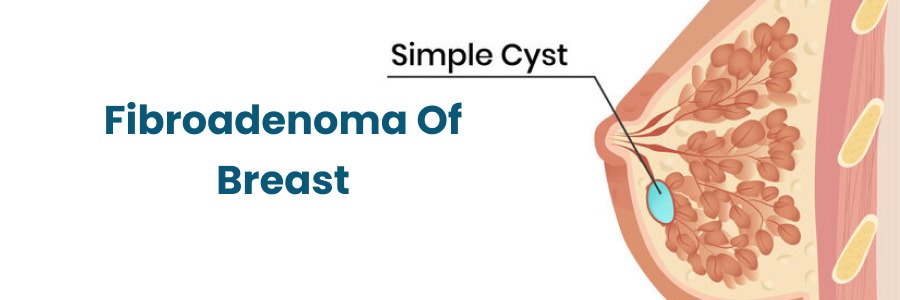
A fibroadenoma is a solid, non-cancerous tumor composed of glandular and fibrous breast tissue. These tumors are usually round, firm, and rubbery, and they move easily under the skin when touched. They can vary in size and may grow over time or remain the same. While fibroadenomas are most common in women aged 15 to 35, they can occur at any age. Understanding the nature of fibroadenomas is crucial, as it helps in distinguishing them from more serious conditions like breast cancer. Their benign nature means they often don't require aggressive treatment unless they cause discomfort or anxiety.
Get a second opinion from trusted experts and makeconfident, informed decisions.
Get Second OpinionNot sure where to start?
Talk to a patient care advisor — free, confidential, 24/7. We'll match you to the right specialist and book your appointment in minutes.
The growth pattern of fibroadenomas can vary significantly among individuals. Some may experience a slow increase in size, while others might notice a sudden growth spurt. Despite these variations, fibroadenomas are typically non-threatening and can be managed effectively with regular monitoring. Knowing what fibroadenomas feel like and how they behave is essential for anyone conducting regular breast self-examinations, as it aids in early detection and peace of mind.
Causes of Fibroadenoma
The exact cause of fibroadenomas is not well understood. However, researchers believe that hormonal factors, particularly those related to estrogen, play a significant role. These tumors often develop during periods of hormonal change, such as puberty and pregnancy, and may shrink after menopause. The relationship between hormones and fibroadenomas suggests that lifestyle factors influencing hormone levels could also impact the development of these tumors.
Hormonal Influences
Estrogen is thought to stimulate the growth of fibroadenomas. This is why they are more prevalent in younger women and tend to decrease in size after menopause when estrogen levels drop. The fluctuation in hormone levels during menstrual cycles can also affect the size and feel of fibroadenomas, causing them to become more noticeable at certain times of the month.
The hormonal link provides insight into potential preventative measures. For instance, maintaining a balanced diet and regular exercise can help regulate hormone levels, potentially reducing the risk of developing fibroadenomas. While hormonal influences are a primary consideration, it's important to remember that every individual's body responds differently to hormonal changes, making personalized medical advice crucial.
Genetic Factors
There may also be a genetic component to fibroadenomas. Women with a family history of fibroadenomas or other benign breast conditions may be at a higher risk of developing these tumors. This genetic predisposition suggests that certain inherited traits can influence breast tissue's response to hormonal changes, increasing the likelihood of fibroadenoma formation.
Understanding the genetic factors involved can empower individuals to take proactive steps in monitoring their breast health. If you have a family history of fibroadenomas, regular check-ups and discussions with a healthcare provider can help in early detection and management. Awareness of genetic risks enables more informed decision-making regarding lifestyle choices and medical interventions.
Symptoms of Fibroadenoma
Most fibroadenomas are discovered during routine breast self-examinations or clinical exams. Common symptoms include:
- A painless, movable lump in the breast
- A lump that feels firm and rubbery
- No changes in skin texture or nipple discharge
These characteristics make fibroadenomas distinct from other breast lumps, which may present with more concerning symptoms. The ability to move under the skin is a key feature that differentiates fibroadenomas from more serious conditions, providing reassurance to those who find such lumps.
When to See a Doctor
If you find a lump in your breast, it's essential to consult a healthcare professional for a proper diagnosis. Although fibroadenomas are benign, other types of breast lumps can be malignant and require immediate attention. Early consultation ensures that any potentially serious conditions are identified and treated promptly, reducing anxiety and promoting better health outcomes.
It's important to remember that not all breast lumps are fibroadenomas. A healthcare provider can perform the necessary tests to determine the nature of the lump and recommend appropriate next steps. By seeking medical advice early, you can avoid unnecessary worry and ensure that any health concerns are addressed efficiently.
Diagnosis of Fibroadenoma
Diagnosing a fibroadenoma typically involves a combination of physical exams, imaging tests, and sometimes a biopsy. This comprehensive approach ensures that the diagnosis is accurate and that the best treatment options are considered.
Physical Examination
A healthcare provider will start with a physical examination of the breast. During this exam, they will check for lumps and assess their size, shape, and mobility. This initial assessment provides valuable information about the nature of the lump and whether further investigation is necessary.
Physical exams are an essential first step in diagnosing fibroadenomas, as they help differentiate between different types of breast lumps. A thorough examination can also provide reassurance, as healthcare providers can often identify benign characteristics through touch alone.
Imaging Techniques
Several imaging techniques can help diagnose fibroadenomas, including:
Mammography
Mammography is an X-ray of the breast that can detect abnormalities. While it is more commonly used in older women, it can also help identify fibroadenomas in younger women. Mammography is particularly useful for visualizing the internal structure of the breast, providing detailed images that can aid in diagnosis.
Although mammography is a valuable tool, it is not always the first choice for younger women due to the density of their breast tissue. However, it remains an important option for those with suspicious lumps that require further examination.
Ultrasound
Ultrasound uses sound waves to create images of the breast tissue. It is particularly useful for distinguishing between solid masses, like fibroadenomas, and fluid-filled cysts. Ultrasound is often the preferred imaging technique for younger women, as it provides clear images without the use of radiation.
This non-invasive method allows healthcare providers to assess the characteristics of the lump in detail, aiding in a more accurate diagnosis. Ultrasound can also guide biopsies, ensuring that tissue samples are taken from the most relevant areas.
MRI
Magnetic Resonance Imaging (MRI) provides detailed images of the breast and can be used in complex cases where other imaging techniques are inconclusive. MRI is particularly useful for examining dense breast tissue and evaluating the extent of any abnormalities.
While MRI is not commonly used as a first-line diagnostic tool, it offers an additional layer of insight when other methods fall short. This advanced imaging technique can help ensure that no detail is overlooked in the diagnostic process.
Biopsy
If imaging tests suggest that a lump might be a fibroadenoma, a biopsy may be performed to confirm the diagnosis. During a biopsy, a small sample of tissue is removed from the lump and examined under a microscope. This procedure is the most definitive way to determine the nature of a breast lump.
A biopsy provides critical information about the cellular makeup of the lump, confirming whether it is benign or requires further treatment. While the prospect of a biopsy can be daunting, it is a straightforward procedure that offers peace of mind through accurate diagnosis.
Treatment Options for Fibroadenoma
Treatment for fibroadenoma depends on several factors, including the size of the tumor, symptoms, and patient preference. Options range from monitoring the lump to surgical removal. Understanding these options allows individuals to make informed decisions that align with their health goals and lifestyle.
Watchful Waiting
In many cases, especially if the fibroadenoma is small and not causing any symptoms, a "watchful waiting" approach is recommended. This involves regular check-ups and imaging tests to monitor the tumor for any changes. This conservative approach is often preferred, as it avoids unnecessary interventions while ensuring that any changes are detected early.
Patients who choose watchful waiting benefit from ongoing medical support, which provides reassurance and guidance. This approach emphasizes the importance of regular self-examinations and professional check-ups in maintaining breast health.
Medication
While there are no specific medications to treat fibroadenomas, some hormonal therapies can help manage symptoms. For example, oral contraceptives may help regulate hormonal fluctuations that could influence the growth of fibroadenomas. Medication can provide relief from symptoms and reduce anxiety related to the presence of a lump.
It's important to discuss any medication options with a healthcare provider, as they can offer personalized advice based on individual health needs and preferences. Medication can be an effective part of a comprehensive management plan for those with fibroadenomas.
Surgical Removal
If a fibroadenoma is large, painful, or growing, surgical removal may be necessary. There are several surgical options:
Lumpectomy
A lumpectomy involves removing the fibroadenoma along with a small margin of surrounding tissue. This procedure is typically done under local anesthesia and may leave a small scar. Lumpectomy is often chosen when the fibroadenoma causes discomfort or has the potential to interfere with normal breast function.
The decision to undergo surgery should be made in consultation with a healthcare provider, considering the potential benefits and risks. Lumpectomy is generally a safe and effective procedure that can offer relief and peace of mind.
Cryoablation
Cryoablation is a less invasive option that uses extreme cold to destroy the fibroadenoma. This procedure is performed under local anesthesia and involves minimal recovery time. Cryoablation offers an alternative to traditional surgery, making it an attractive option for those seeking a less invasive treatment.
While cryoablation is not suitable for all cases, it represents an innovative approach to fibroadenoma treatment. Patients considering this option should discuss it with their healthcare provider to determine its suitability based on their specific circumstances.
Alternative Treatments
Some patients explore alternative treatments such as dietary changes, herbal supplements, or acupuncture. While these methods may offer symptom relief, it's essential to consult a healthcare provider before pursuing alternative therapies. Alternative treatments can complement traditional medical approaches, but they should not replace professional medical advice.
Exploring alternative treatments requires careful consideration and research. Patients should ensure that any complementary therapies they choose are safe and evidence-based. Open communication with healthcare providers about alternative treatments can enhance overall care and ensure that all aspects of health are addressed.
Fibroadenoma vs. Other Breast Lumps
It's crucial to differentiate between fibroadenomas and other types of breast lumps, as treatment and prognosis can vary significantly. Understanding these differences is key to effective management and ensures that appropriate treatment is received.
Cysts
Breast cysts are fluid-filled sacs that are also benign. Unlike fibroadenomas, cysts are often tender and can fluctuate in size with the menstrual cycle. Recognizing the distinct characteristics of cysts can help individuals distinguish them from fibroadenomas, aiding in accurate self-assessment and timely medical consultation.
While cysts are generally harmless, they can cause discomfort and anxiety. Regular monitoring and professional evaluations are important to ensure that cysts do not mask other potential issues.
Breast Cancer
Breast cancer lumps are typically hard, irregularly shaped, and immovable. They may also be accompanied by other symptoms such as skin changes, nipple discharge, or lymph node swelling. Identifying these warning signs is crucial for early detection and treatment of breast cancer.
Education about the differences between benign and malignant lumps empowers individuals to take proactive steps in their breast health. Prompt medical attention for concerning symptoms can lead to early intervention and improved outcomes.
Other Benign Tumors
Other benign breast tumors include intraductal papillomas and lipomas. Each type has distinct characteristics and may require different treatment approaches. Understanding the various types of benign breast tumors enables informed discussions with healthcare providers about the most suitable management options.
Being aware of the diversity of breast tumors helps in recognizing when further investigation is needed. A comprehensive understanding of these conditions promotes confidence and supports proactive healthcare decisions.
Your health is everything - prioritize your well-being today.
Schedule Your AppointmentConclusion
Understanding fibroadenoma is crucial for managing your breast health. While these tumors are generally benign, it's essential to consult a healthcare provider for a proper diagnosis and to discuss the best treatment options for your specific situation. Regular self-examinations and routine medical check-ups are vital for early detection and effective management of any breast abnormalities.
By staying informed and proactive, you can take control of your breast health and ensure that any concerns are addressed promptly and effectively. Knowledge and vigilance empower you to make confident health decisions, enhancing your overall well-being. Prioritizing breast health through education and regular care fosters long-term wellness and peace of mind.
Frequently Asked Questions
A fibroadenoma is a benign breast tumor made up of glandular and connective tissue, often found in young women.
The exact cause is unknown, but hormonal changes may play a role in their development.
Symptoms usually include a painless, movable lump in the breast; most are detected during self-exams.
Diagnosis often involves imaging techniques like ultrasound and mammography, along with physical examination.
Treatment may involve monitoring or surgical removal if necessary for cosmetic reasons or discomfort.
- Cardiology
- Case Studies
- Dermatology
- Endocrinology
- ENT
- Fertility
- Gastroenterology
- General
- General-Medicine
- Gynecology
- Hematology
- Infectious-Diseases
- Medical News
- Neurology
- Oncology
- Ophthalmology
- Orthopedics
- Pediatrics
- Procedure
- Public-Health
- Pulmonology
- Radiology
- Second Opinion
- Urology
- Wellness
- Woman-and-child
Related Blogs
Still have questions? Speak with our experts now!
040-68334455


