 Call
Call Patient Reports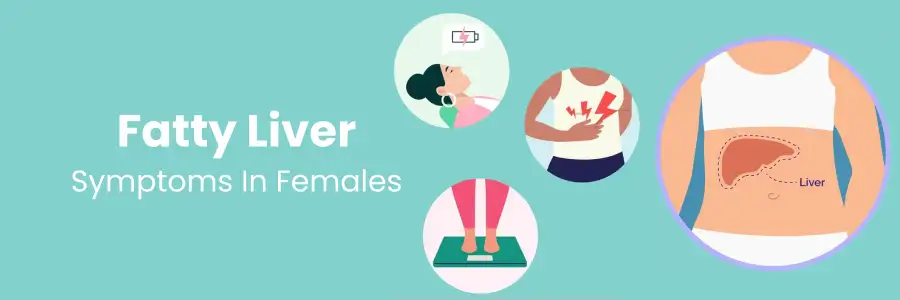
- 3759
- 3.5 Minute
Written by Medicover Team and Medically Reviewed by Dr Surendra Prasad G
Fatty Liver Symptoms in Females
Fatty liver disease is a condition where excess fat builds up in the liver. It's becoming increasingly common, especially among women. Understanding the fatty liver symptoms in females can help in early diagnosis and treatment.
This article explores common signs, possible causes, and how to manage this growing health issue.
What is Fatty Liver Disease?
Steatotic liver disease, also known as fatty liver disease, occurs when too much fat accumulates in the liver, accounting for more than 5–10% of its weight. It is categorized into two types: alcoholic fatty liver disease (AFLD) and non-alcoholic fatty liver disease (NAFLD). NAFLD is not caused by alcohol and is more common in women.
Get a second opinion from trusted experts and makeconfident, informed decisions.
Get Second OpinionNot sure where to start?
Talk to a patient care advisor — free, confidential, 24/7. We'll match you to the right specialist and book your appointment in minutes.
Early Symptoms of Fatty Liver in Females
Many women may not notice symptoms at first, but over time, fatty liver problems can lead to noticeable changes:
- Fatigue: A deep and persistent sense of tiredness not relieved by rest.
- Abdominal discomfort: A dull ache or pressure in the upper right abdomen.
- Bloating and weight gain: Especially around the midsection, often accompanied by digestive discomfort.
- Nausea: Especially after eating fatty meals; may be paired with indigestion or heartburn.
- Jaundice: Yellowing of the skin or eyes in more advanced stages.
- Hormonal changes: Irregular menstrual cycles or heavier bleeding may occur due to liver-hormone interactions.
- Insulin resistance: May raise blood sugar levels and increase the risk of diabetes.
- Mental health issues: Anxiety or depression are also associated with chronic fatty liver symptoms.
Fatty Liver Causes
Fatty liver causes in females can include:
- Obesity
- Poor diet (high sugar and fat intake)
- Sedentary lifestyle
- Insulin resistance or type 2 diabetes
- High cholesterol
- Polycystic ovarian syndrome (PCOS)
- Certain medications or genetics
Diagnosing Fatty Liver Disease
If you suspect you have fatty liver disease, it's crucial to see a healthcare professional for a proper diagnosis. They may perform several tests, including:
- Blood tests: To check for liver enzymes that indicate liver damage.
- Imaging tests: Such as ultrasound, CT scan, or MRI to visualize the liver and assess fat buildup.
- Liver biopsy: In some cases, a small tissue sample from the liver is taken for further examination.
Fatty Liver Symptoms in Females Treatment
There is no specific drug to cure NAFLD, but fatty liver symptoms in females treatment usually includes:
- Healthy diet: Low in sugar, rich in fiber, fruits, and vegetables.
- Regular exercise: At least 30 minutes of moderate activity daily.
- Weight loss: Losing 5–10% of body weight can reduce liver fat significantly.
- Blood sugar and cholesterol control: If you're diabetic or prediabetic, medication or diet adjustments may help.
- Avoiding alcohol: Even if not the cause, it can worsen the liver's condition.
Prevention Tips
To prevent or reverse fatty liver (including NAFLD), focus on healthy lifestyle choices:
- Eat a balanced diet rich in vegetables, fruits, whole grains, and lean proteins.
- Limit sugar, refined carbs, and processed foods.
- Exercise regularly—aim for at least 30 minutes of moderate activity most days.
- Lose extra weight gradually to reduce liver fat.
- Avoid alcohol, even in small amounts, especially if already diagnosed with fatty liver.
- Stay hydrated and get enough sleep.
- Keep a regular check on your blood sugar and cholesterol levels, especially if you have diabetes or other health problems.
Your health is everything - prioritize your well-being today.
Schedule Your AppointmentConclusion
Fatty liver is becoming more common in women, but with the right care, it can be managed. If you feel tired often, have stomach discomfort, or notice other symptoms like weight gain or hormonal changes, talk to your doctor. A healthy diet, regular exercise, and avoiding alcohol can help reduce liver fat. Catching the problem early and making lifestyle changes can protect your liver and keep you healthy in the long run.
Frequently Asked Questions
Feeling tired, pain in the upper right belly, bloating, sudden weight gain, feeling sick, and sometimes yellow skin or eyes (jaundice).
Women may notice hormonal imbalances such as irregular periods or heavy bleeding, as the liver plays a role in hormone regulation.
Yes, symptoms like jaundice, abdominal swelling, or fluid retention in the legs can develop as the condition progresses.
Yes, it may develop into non-alcoholic steatohepatitis (NASH), cirrhosis, or liver cancer in advanced stages.
Yes, if not treated, fatty liver can get worse and turn into serious problems like liver swelling (NASH), liver damage (cirrhosis), or even liver cancer.
Follow a healthy diet, exercise regularly, lose excess weight, and avoid alcohol.
- Cardiology
- Case Studies
- Dermatology
- Endocrinology
- ENT
- Fertility
- Gastroenterology
- General
- General-Medicine
- Gynecology
- Hematology
- Infectious-Diseases
- Medical News
- Neurology
- Oncology
- Ophthalmology
- Orthopedics
- Pediatrics
- Procedure
- Public-Health
- Pulmonology
- Radiology
- Second Opinion
- Urology
- Wellness
- Woman-and-child
Related Blogs
Still have questions? Speak with our experts now!
040-68334455


