 Call
Call Patient Reports
- Cardiology 84
- Dermatology 45
- Endocrinology 33
- ENT 16
- Fertility 190
- Gastroenterology 78
- General-Medicine 81
- Gynecology 80
- Hematology 19
- Infectious-Diseases 33
- Neurology 52
- Oncology 34
- Ophthalmology 23
- Orthopedics 69
- Pediatrics 31
- Procedure 23
- Public-Health 144
- Pulmonology 59
- Radiology 8
- Urology 68
- Wellness 161
- Woman-and-child 77
- 3759
- 3.5 Minute
Epididymitis Treatment Options at Medicover Hospital, Begumpet
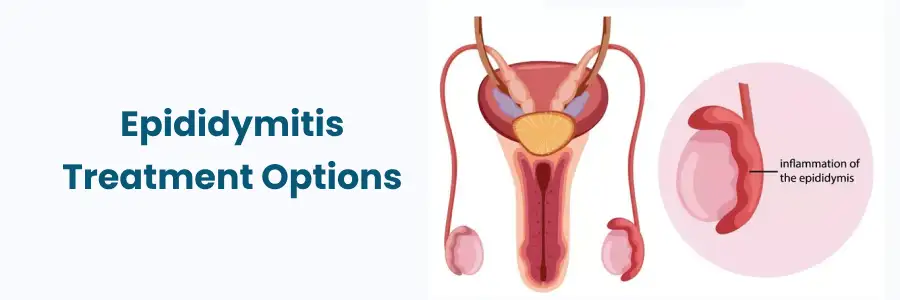
Epididymitis is an inflammation of the epididymis, a tube located at the back of the testicles that stores and carries sperm. If not treated properly, this condition can cause significant discomfort and affect sexual health.
At Medicover Hospital in Begumpet, we provide a comprehensive approach to treating epididymitis, exploring various treatment options, pain management strategies, and ways to prevent complications.
Get a second opinion from trusted experts and makeconfident, informed decisions.
Get Second OpinionNot sure where to start?
Talk to a patient care advisor — free, confidential, 24/7. We'll match you to the right specialist and book your appointment in minutes.
Diagnosis of Epididymitis at Medicover Hospital in Begumpet
Accurate diagnosis is the first step in treating epididymitis effectively. Physicians typically start with a physical examination and review of the patient's medical history. Common symptoms include pain and swelling in the testicles, fever, and sometimes discharge from the penis.
Diagnostic Tests
To confirm the diagnosis, doctors at Medicover Hospital in Begumpet may use several tests:
- Urinalysis: This test checks for signs of infection in the urine.
- Ultrasound: An ultrasound can help visualize the epididymis and identify any abnormalities.
- STI Testing: Since sexually transmitted infections (STIs) are a common cause of epididymitis, testing for STIs is often performed.
Antibiotics for Epididymitis at Medicover Hospital in Begumpet
First-Line Antibiotics
Antibiotics are the cornerstone of epididymitis treatment, mainly if a bacterial infection causes the condition. The choice of antibiotics depends on the suspected bacteria. Common first-line antibiotics prescribed include:
- Doxycycline: Often prescribed if the infection is due to a STD like chlamydia.
- Ciprofloxacin: Used for bacterial infections not related to STIs.
- Ceftriaxone: Frequently administered as an injection for immediate effect.
Duration of Treatment
The typical course of antibiotics lasts one to two weeks, but the exact duration may vary based on the severity of the infection and patient response. Completing the full course of antibiotics is crucial to prevent recurrence and complications.
Pain Management for Epididymitis at Medicover Hospital in Begumpet
Pain management is a critical component of treating epididymitis. The condition can cause significant discomfort, which may interfere with daily activities. The team at Medicover Hospital in Begumpet provides tailored pain management strategies.
Over-the-Counter Pain Relievers
Non-prescription pain relievers are often recommended to manage mild to moderate pain:
- Ibuprofen: An anti-inflammatory drug that can reduce swelling and alleviate pain.
- Acetaminophen: Another option for pain relief, particularly if the patient cannot tolerate NSAIDs (Non-Steroidal Anti-Inflammatory Drugs).
Prescription Medications
In cases of severe pain, doctors may prescribe stronger medications such as opioids. However, these are generally used for a short duration due to the risk of dependency and side effects.
Supportive Care for Epididymitis at Medicover Hospital in Begumpet
Supportive care measures can complement medical treatment and help speed up recovery. The healthcare providers offer a range of supportive care options.
- Bed Rest and Scrotal Elevation: Resting and elevating the scrotum can reduce swelling and provide relief. Placing a rolled towel under the scrotum while lying down can achieve this.
- Ice Packs: Applying ice packs to the affected area for 15-20 minutes at a time can help reduce inflammation and numb pain. To prevent frostbite, ensure the ice is wrapped in a cloth.
- Hydration and Nutrition: Staying well-hydrated and maintaining a balanced diet supports the body's healing processes. Avoiding alcohol and caffeine can also be beneficial, as they can exacerbate symptoms.
Preventing Epididymitis Complications
Epididymitis can lead to complications if not treated promptly. The medical team emphasizes early treatment and regular follow-ups to prevent complications like chronic epididymitis, abscess formation, and infertility.
Early Treatment
Seeking medical attention at the first sign of symptoms is crucial. Early treatment from Medicover Hospital in Begumpet can prevent the infection from spreading and minimize the risk of complications.
Regular Follow-Ups
Follow-up appointments with healthcare providers ensure that the infection is fully resolved and help monitor for any signs of complications.
Safe Sexual Practices
Since many cases of epididymitis are linked to STIs, practicing safe sex is essential. Using condoms and having regular STI screenings can reduce the risk of infection.
Epididymitis and Sexual Health Guidance
Epididymitis can have a significant impact on sexual health. Our specialists provide guidance on managing this aspect to ensure overall well-being.
Temporary Abstinence
During treatment, it may be advisable to abstain from sexual activity to prevent exacerbating symptoms and spreading any potential infection.
Communication with Partners
Open communication with sexual partners about the condition and its implications is essential. Partners may also need to be tested and treated for STIs to prevent reinfection.
Long-Term Sexual Health
Most patients recover fully from epididymitis with appropriate treatment. However, it is important to continue practicing safe sex and have regular check-ups. For recurrent or severe cases of epididymitis, more advanced treatment options may be considered.
Surgery
In rare instances, surgery may be necessary to drain abscesses or remove severely damaged tissue. Surgical intervention is usually considered only when other treatments have failed.
Chronic Epididymitis Management
Chronic epididymitis can be challenging to manage and may require a combination of medications, physical therapy, and lifestyle changes. Consulting a specialist in urology may be beneficial for developing a tailored treatment plan.
Your health is everything - prioritize your well-being today.
Schedule Your AppointmentConclusion
Epididymitis is a treatable condition, but prompt and appropriate care is essential to prevent complications and ensure a full recovery. At Medicover Hospital in Begumpet, we emphasize accurate diagnosis, effective use of antibiotics, comprehensive pain management, and supportive care measures.
By following these guidelines and maintaining open communication with healthcare providers and partners, individuals can manage epididymitis effectively and maintain their overall health and well-being.
Frequently Asked Questions
Untreated epididymitis can lead to complications such as chronic pain, abscess formation, and in severe cases, infertility or damage to the testicles.
Yes, epididymitis can recur, especially if the underlying cause is not fully addressed, such as ongoing infections or lifestyle factors.
Diagnosis involves a physical examination, urine tests, blood tests, and sometimes an ultrasound to assess the condition of the epididymis and testicles.
While the condition itself is not contagious, if it’s caused by an STI, the infection can be transmitted to sexual partners.
You can book an appointment by calling the Medicover hospital or scheduling online through our website. Our urology specialists are here to help.
- Cardiology
- Case Studies
- Dermatology
- Endocrinology
- ENT
- Fertility
- Gastroenterology
- General
- General-Medicine
- Gynecology
- Hematology
- Infectious-Diseases
- Medical News
- Neurology
- Oncology
- Ophthalmology
- Orthopedics
- Pediatrics
- Procedure
- Public-Health
- Pulmonology
- Radiology
- Second Opinion
- Urology
- Wellness
- Woman-and-child
Related Blogs
Still have questions? Speak with our experts now!
040-68334455


