 Call
Call Patient Reports
- Cardiology 84
- Dermatology 45
- Endocrinology 33
- ENT 16
- Fertility 190
- Gastroenterology 78
- General-Medicine 81
- Gynecology 80
- Hematology 19
- Infectious-Diseases 33
- Neurology 52
- Oncology 34
- Ophthalmology 23
- Orthopedics 69
- Pediatrics 31
- Procedure 23
- Public-Health 144
- Pulmonology 59
- Radiology 8
- Urology 68
- Wellness 161
- Woman-and-child 77
- 3174
- 3.4 Minute
Managing and Enhancing Kidney Health Long-Term at Medicover Hospitals
Maintaining kidney health is essential for overall well-being. Kidneys perform vital functions such as filtering waste from the blood, regulating blood pressure, balancing fluids, and producing essential hormones. At Medicover Hospitals, we understand the importance of kidney care and offer strategies to manage and enhance renal function for long-term health.
What is Kidney Health?
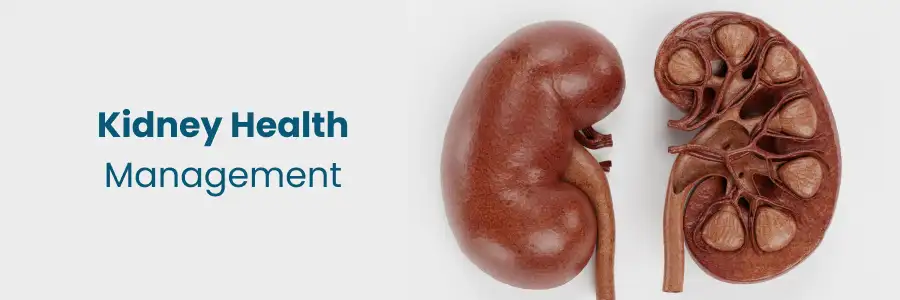
Kidneys are bean-shaped organs located on either side of the spine. They play a crucial role in removing waste and excess fluid from the body. They also help maintain a healthy balance of electrolytes and produce hormones that regulate blood pressure and red blood cell production.
Signs of Kidney Problems
Recognizing the early signs of kidney problems is essential for timely intervention. Common symptoms include:
- Fatigue
- Swelling in the ankles, feet, or hands
- Changes in urination patterns
- Blood in the urine
- High blood pressure
Get a second opinion from trusted experts and makeconfident, informed decisions.
Get Second OpinionNot sure where to start?
Talk to a patient care advisor — free, confidential, 24/7. We'll match you to the right specialist and book your appointment in minutes.
If you experience any of these symptoms, it's crucial to consult a healthcare professional for a thorough evaluation.
Essential Strategies for Kidney Care
Stay Hydrated
Drinking plenty of water helps the kidneys remove waste from the blood in the form of urine. It also keeps blood vessels open, making it easier for blood to flow to the kidneys.
How Much Water Should You Drink?
While individual needs vary, a general guideline is to drink about 8-10 glasses of water per day. However, consult your doctor for personalized advice, especially if you have a condition that affects your fluid needs.
Eat a Balanced Diet
A balanced diet can go a long way in maintaining kidney health. Focus on consuming:
- Fruits and Vegetables: Rich in vitamins and minerals.
- Whole Grains: Provide essential nutrients and fiber.
- Lean Proteins: Such as fish, poultry, and legumes.
- Low-Sodium Foods: Helps control blood pressure.
Limit Salt and Sugar Intake
Excessive salt can increase blood pressure, putting extra strain on the kidneys. Similarly, high sugar intake can lead to diabetes, a major risk factor for kidney disease. Aim to keep your salt and sugar consumption within recommended limits.
Monitor Blood Pressure
High blood pressure can damage the kidneys over time. Regular monitoring and management of blood pressure can prevent kidney-related complications. Aim for a blood pressure reading below 140/90 mm Hg. Lifestyle changes, medication, and regular check-ups can help maintain healthy blood pressure levels.
Keep Blood Sugar Levels in Check
Diabetes is a leading cause of kidney disease. If you have diabetes, it's crucial to manage your blood sugar levels through diet, exercise, and medication as prescribed by your doctor.
Enhancing Renal Function
Regular Exercise
Physical activity helps maintain a healthy weight, lower blood pressure, and improve
overall health. Aim for at least 30 minutes of moderate exercise most days of the week. Activities like walking, cycling, and swimming are excellent choices.
Avoid Overuse of Painkillers
Frequent use of over-the-counter painkillers, such as ibuprofen and aspirin, can harm the kidneys. If you need pain relief, consult your doctor for safer alternatives.
Quit Smoking
Smoking can reduce blood flow to the kidneys and damage kidney function. Quitting smoking improves overall health and reduces the risk of kidney disease.
Regular Check-ups
Routine medical check-ups can help detect kidney problems early. If you have risk factors such as high blood pressure, diabetes, or a family history of kidney disease, regular screening is essential.
Specialized Care at Medicover Hospitals
At Medicover Hospitals, we offer specialized care for kidney health. Our team of nephrologists, dietitians, and healthcare professionals work together to provide personalized treatment plans for optimal kidney function.
Kidney Care Services
- Kidney Function Tests: To assess how well your kidneys are working.
- Dialysis: For patients with advanced kidney disease.
- Dietary Counseling: Personalized nutrition plans to support kidney health.
- Medication Management: Prescriptions and monitoring to manage kidney-related conditions.
Advanced Treatment Options
Medicover Hospitals is equipped with state-of-the-art technology and facilities for advanced kidney care. We offer cutting-edge treatments and interventions to manage and enhance kidney function.
Kidney Health Myths and Facts
Myth: Drinking Cranberry Juice Prevents Kidney Stones
Fact: While cranberry juice may help prevent urinary tract infections, it is not a proven method for preventing kidney stones. Staying hydrated and following a balanced diet are more effective strategies.
Your health is everything - prioritize your well-being today.
Schedule Your AppointmentMyth: Only Older Adults Get Kidney Disease
Fact: Kidney disease can affect people of all ages. Risk factors like high blood pressure, diabetes, and a family history of kidney disease can increase the likelihood of developing kidney problems at any age.
Myth: Dialysis is the Only Treatment for Kidney Disease
Fact: Dialysis is one treatment option for advanced kidney disease. Early detection and proper management can often prevent the need for dialysis. Medications, lifestyle changes, and dietary modifications can significantly improve kidney health.
Conclusion
Taking proactive steps to manage and enhance kidney health is crucial for long-term well-being. By staying hydrated, eating a balanced diet, monitoring blood pressure and blood sugar levels, and avoiding harmful habits, you can support optimal kidney function.
At Medicover Hospitals, we are committed to providing care and advanced treatment options for kidney health. Our team of experts is dedicated to helping you achieve and maintain healthy kidneys for a better quality of life.
By following these strategies and seeking specialized care when needed, you can take control of your kidney health and enjoy a healthier future.
Frequently Asked Questions
Essential strategies include staying hydrated, eating a balanced diet, limiting salt and sugar intake, monitoring blood pressure and blood sugar levels, regular exercise, and avoiding overuse of painkillers.
Aim for about 8-10 glasses of water per day. Individual needs may vary, so consult your doctor for personalized advice, especially if you have specific health conditions.
Focus on a balanced diet with fruits, vegetables, whole grains, lean proteins, and low-sodium foods to help control blood pressure and manage overall health.
Check your blood pressure regularly to keep it below 140/90 mm Hg. Lifestyle changes, medication, and regular check-ups can help maintain healthy levels.
High blood sugar from diabetes can damage the kidneys. Managing blood sugar through diet, exercise, and medication helps prevent kidney disease.
Exercise helps maintain a healthy weight, lowers blood pressure, and improves overall health. Aim for at least 30 minutes of moderate exercise most days of the week
- Cardiology
- Case Studies
- Dermatology
- Endocrinology
- ENT
- Fertility
- Gastroenterology
- General
- General-Medicine
- Gynecology
- Hematology
- Infectious-Diseases
- Medical News
- Neurology
- Oncology
- Ophthalmology
- Orthopedics
- Pediatrics
- Procedure
- Public-Health
- Pulmonology
- Radiology
- Second Opinion
- Urology
- Wellness
- Woman-and-child
Related Blogs
Still have questions? Speak with our experts now!
040-68334455


