 Call
Call Patient Reports
- Cardiology 84
- Dermatology 45
- Endocrinology 33
- ENT 16
- Fertility 190
- Gastroenterology 78
- General-Medicine 81
- Gynecology 80
- Hematology 19
- Infectious-Diseases 33
- Neurology 52
- Oncology 34
- Ophthalmology 23
- Orthopedics 69
- Pediatrics 31
- Procedure 23
- Public-Health 144
- Pulmonology 59
- Radiology 8
- Urology 68
- Wellness 161
- Woman-and-child 77
- 3759
- 3.5 Minute
COPD Treatment at Medicover Hospital in Begumpet
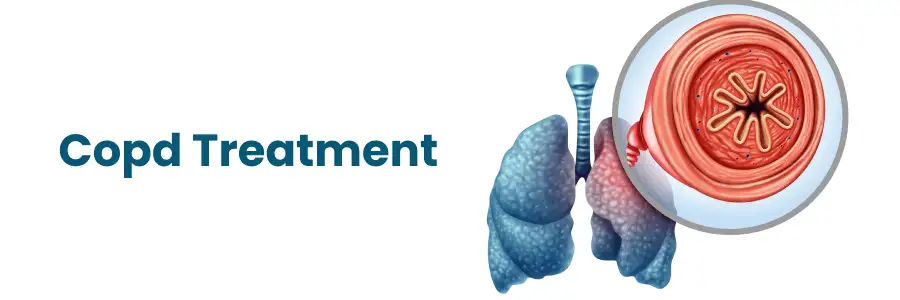
Chronic Obstructive Pulmonary Disease (COPD) is a progressive lung disease that makes breathing difficult. With millions of people affected worldwide, finding effective treatment options is critical to improving quality of life and managing symptoms. At Medicover Hospital in Begumpet, various COPD treatment options are available, including pulmonary rehabilitation, oxygen therapy, medications, and supportive care.
Get a second opinion from trusted experts and makeconfident, informed decisions.
Get Second OpinionNot sure where to start?
Talk to a patient care advisor — free, confidential, 24/7. We'll match you to the right specialist and book your appointment in minutes.
Understanding COPD
COPD encompasses several respiratory conditions, primarily chronic bronchitis and emphysema. The primary cause of COPD is long-term exposure to irritating gases or particulate matter, most often from cigarette smoke. The disease leads to airflow obstruction and breathing-related problems.
Symptoms of COPD
Common symptoms of COPD include:
- Shortness of breath
- Chronic cough
- Frequent respiratory infections
- Wheezing
- Fatigue
Pulmonary Rehabilitation for COPD at Medicover Hospital in Begumpet
Pulmonary rehabilitation is a comprehensive program designed to improve the well-being of individuals with chronic respiratory issues.
Benefits of Pulmonary Rehabilitation Pulmonary rehabilitation offers several benefits:
- Improved exercise capacity
- Enhanced quality of life
- Reduced breathlessness
- Better management of symptoms
Components of Pulmonary Rehabilitation
A typical pulmonary rehabilitation program includes:
- Exercise training
- Nutritional counseling
- Education on lung health
- Breathing strategies
- Psychological support
Oxygen Therapy for COPD at Medicover Hospital in Begumpet
When Is Oxygen Therapy Needed?
Oxygen therapy is recommended for individuals with severe COPD who have low blood oxygen levels. It helps maintain adequate oxygen levels and can be administered at home or in a clinical setting.
Benefits of Oxygen Therapy
Oxygen therapy can:
- Improve survival rates
- Enhance sleep quality
- Increase exercise tolerance
- Reduce symptoms of hypoxemia (low oxygen levels)
Inhalers and Bronchodilators for COPD at Medicover Hospital in Begumpet
Inhalers and bronchodilators are essential components of COPD management. These medications help open the airways, making breathing easier.
Types of Inhalers and Bronchodilators
There are several types of inhalers and bronchodilators used in COPD treatment:
- Short-acting bronchodilators: Provide quick relief from acute symptoms
- Long-acting bronchodilators: Used for ongoing symptom control
- Combination inhalers: Contain both a bronchodilator and a corticosteroid to reduce inflammation
How to Use Inhalers Correctly?
Proper use of inhalers is crucial for effective treatment. Here are some tips:
- Shake the inhaler before use
- Breathe out fully before inhaling the medication
- Press the inhaler and breathe in slowly and deeply
- Hold your breath for 10 seconds before exhaling
Medications for COPD at Medicover Hospital in Begumpet
Medications play a vital role in managing COPD symptoms and preventing exacerbations.
Common Medications for COPD
- Corticosteroids: Reduce inflammation in the airways
- Phosphodiesterase-4 inhibitors: Decrease inflammation and relax the airways
- Antibiotics: Treat bacterial infections that can worsen COPD
- Mucolytics: Help thin and clear mucus from the lungs
Preventing COPD Exacerbations
Preventing exacerbations is crucial in managing COPD. Strategies include:
- Regular use of prescribed medications
- Avoiding lung irritants (e.g., smoke, pollutants)
- Getting vaccinated against flu and pneumonia
- Regular physical activity and pulmonary rehabilitation
Supportive Care for COPD at Medicover Hospital in Begumpet
Supportive care focuses on improving the quality of life and providing relief from symptoms.
Types of Supportive Care
- Nutritional support: Ensuring a balanced diet to maintain strength and energy
- Psychological support: Counseling and support groups to address anxiety and depression
- Palliative care: Providing comfort and improving quality of life for those with advanced COPD
Managing COPD Symptoms
Lifestyle Changes
Lifestyle changes can significantly impact COPD management:
- Quit smoking: The most critical step in slowing disease progression
- Healthy diet: Eating a balanced diet to maintain overall health
- Regular exercise: Engaging in physical activity to improve lung function
- Avoiding pollutants: Reducing exposure to environmental irritants
Breathing Techniques
Breathing techniques can help manage COPD symptoms. Some effective methods include:
- Pursed-lip breathing: Helps control shortness of breath
- Diaphragmatic breathing: Strengthens the diaphragm and improves breathing efficiency
Your health is everything - prioritize your well-being today.
Schedule Your AppointmentConclusion
Effective COPD treatment at Medicover Hospital in Begumpet involves a combination of pulmonary rehabilitation, oxygen therapy, medications, and supportive care. By adhering to a comprehensive treatment plan and making necessary lifestyle changes, individuals with COPD can manage their symptoms and improve their quality of life. Regular consultations with healthcare providers and staying informed about new treatment options are essential for optimal COPD management.
Frequently Asked Questions
We provide personalized inhaler therapy, including both short-acting and long-acting inhalers. We also offer training on proper inhaler techniques to ensure effective medication delivery.
For advanced COPD, we offer more intensive treatments, including oxygen therapy and possibly surgical options, depending on individual needs and the severity of the condition.
We use tests such as spirometry to measure lung function, chest X-rays to assess lung damage, and sometimes CT scans to evaluate the extent of the disease.
Benefits include improved physical fitness, better management of COPD symptoms, and enhanced understanding of the condition, leading to improved overall health.
We stay up-to-date with the latest treatments and therapies for COPD, including new medications and advanced therapies, to offer the most effective care.
- Cardiology
- Case Studies
- Dermatology
- Endocrinology
- ENT
- Fertility
- Gastroenterology
- General
- General-Medicine
- Gynecology
- Hematology
- Infectious-Diseases
- Medical News
- Neurology
- Oncology
- Ophthalmology
- Orthopedics
- Pediatrics
- Procedure
- Public-Health
- Pulmonology
- Radiology
- Second Opinion
- Urology
- Wellness
- Woman-and-child
Related Blogs
Still have questions? Speak with our experts now!
040-68334455


