 Call
Call Patient Reports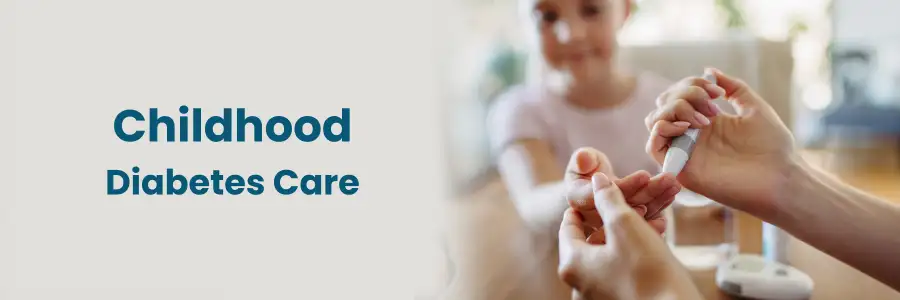
- 3759
- 3.5 Minute
Childhood Diabetes Care Guide
Are you concerned about your child's health and suspect they may be showing signs of childhood diabetes? How does this condition impact your child's daily activities and overall well-being?
Childhood diabetes, also known as type 1 diabetes in children, requires careful management and understanding to ensure your child's health and quality of life. From early signs to pediatric care and insulin treatment, it's crucial to be well-informed about diabetes care in children. Let's explore the symptoms, diagnosis, and care for childhood diabetes.
Juvenile Diabetes Diagnosis
Diagnosing type 1 diabetes in children involves a series of tests to determine their blood sugar levels and overall health condition. pediatricians and endocrinologists play a crucial role in identifying diabetes in children. Some common diagnostic procedures include:
- Blood tests to measure glucose levels
- Urinalysis to check for ketones
- Antibody tests to detect autoimmune responses
Early diagnosis of juvenile diabetes is key to starting treatment promptly and avoiding complications. If you notice symptoms like frequent urination, excessive thirst, or unexplained weight loss in your child, consult a healthcare provider for proper evaluation.
Get a second opinion from trusted experts and makeconfident, informed decisions.
Get Second OpinionNot sure where to start?
Talk to a patient care advisor — free, confidential, 24/7. We'll match you to the right specialist and book your appointment in minutes.
Type 1 Diabetes in Children
Type 1 diabetes is a chronic condition where the pancreas produces little to no insulin, leading to high blood sugar levels. In children, this autoimmune disease requires lifelong management to ensure proper growth and development. Understanding the specific needs of children with type 1 diabetes is essential for effective care.
Children with type 1 diabetes need to monitor their blood sugar levels regularly, administer insulin doses, and maintain a healthy diet and exercise routine. Working closely with healthcare providers can help tailor a care plan that meets your child's individual needs.
Pediatric Diabetes Management
Managing diabetes in children involves a multidisciplinary approach that includes healthcare providers, parents, and the child themselves. Pediatric diabetes management focuses on:
- Monitoring blood sugar levels throughout the day
- Administering insulin through injections or an insulin pump
- Educating the child and family about diabetes care
- Creating a balanced meal plan to regulate blood sugar
Regular check-ups and communication with your child's healthcare team are vital in adjusting the diabetes care plan as needed. By working together, you can help your child lead a fulfilling life despite their condition.
Insulin Treatment for Children
Insulin is a crucial hormone that children with type 1 diabetes need to regulate their blood sugar levels. Insulin treatment for children involves:
- Daily injections of insulin or using an insulin pump
- Adjusting insulin doses based on blood sugar levels and carbohydrate intake
- Understanding the different types of insulin and their effects
Parents and caregivers play a significant role in helping children with diabetes manage their insulin treatment effectively. It's essential to follow the healthcare provider's guidance on insulin administration and dose adjustments to maintain stable blood sugar levels.
Diabetes Care in Children
Caring for a child with diabetes involves various aspects, including:
- Creating a support system for the child and family
- Teaching the child self-care skills as they grow older
- Recognizing and managing hypoglycemia and hyperglycemia
Emotional support and encouragement are essential for children with diabetes to navigate daily challenges and lead a normal life. By fostering open communication and providing a nurturing environment, parents can help their child thrive despite the condition.
Early Signs of Diabetes
Recognizing the early signs of diabetes in children is crucial for timely intervention. Some common symptoms include:
- Increased thirst and frequent urination
- Extreme hunger despite eating
- Sudden weight loss
- Irritability and fatigue
If you notice these signs in your child, consult a healthcare provider for proper evaluation and testing. Early detection of diabetes can prevent complications and ensure your child receives the necessary care and support.
Risk Factors for Diabetes in Children
Several risk factors can increase the likelihood of children developing diabetes, including:
- Family history of diabetes
- Genetic predisposition to autoimmune conditions
- Exposure to certain viruses or environmental factors
Understanding these risk factors can help parents and healthcare providers identify children at higher risk and implement preventive measures. By promoting a healthy lifestyle and regular medical check-ups, you can reduce the chances of diabetes development in children.
Your health is everything - prioritize your well-being today.
Schedule Your AppointmentConclusion
In conclusion, childhood diabetes care requires a comprehensive approach that includes early diagnosis, proper management, and continuous support. By staying informed about the symptoms, diagnosis, and care for type 1 diabetes in children, parents can ensure their child's well-being and quality of life. Collaborating with healthcare providers, following a customized care plan, and fostering a supportive environment are essential steps in managing diabetes in children. Remember, with the right guidance and care, children with diabetes can lead healthy and fulfilling lives.
Frequently Asked Questions
Yes, there are different types of diabetes that can affect children, with Type 1 diabetes being the most common in pediatric patients.
Untreated diabetes in children can lead to serious long-term complications affecting organs, nerves, and overall health. Regular care is crucial to prevent these risks.
Parents can manage a child's diabetes daily by monitoring blood sugar levels, administering insulin as prescribed, maintaining a healthy diet, and ensuring regular exercise.
Yes, lifestyle changes can help prevent type 2 diabetes in children by promoting healthy habits like balanced diet and regular exercise.
Children with diabetes typically require insulin therapy to manage their condition effectively.
- Cardiology
- Case Studies
- Dermatology
- Endocrinology
- ENT
- Fertility
- Gastroenterology
- General
- General-Medicine
- Gynecology
- Hematology
- Infectious-Diseases
- Medical News
- Neurology
- Oncology
- Ophthalmology
- Orthopedics
- Pediatrics
- Procedure
- Public-Health
- Pulmonology
- Radiology
- Second Opinion
- Urology
- Wellness
- Woman-and-child
Related Blogs
Still have questions? Speak with our experts now!
040-68334455


