 Call
Call Patient Reports
- Cardiology 84
- Dermatology 45
- Endocrinology 33
- ENT 16
- Fertility 190
- Gastroenterology 78
- General-Medicine 81
- Gynecology 80
- Hematology 19
- Infectious-Diseases 33
- Neurology 52
- Oncology 34
- Ophthalmology 23
- Orthopedics 69
- Pediatrics 31
- Procedure 23
- Public-Health 144
- Pulmonology 59
- Radiology 8
- Urology 68
- Wellness 161
- Woman-and-child 77
- 3137
- 3.5 Minute
Your Guide to the Best Blood Pressure Doctors Near You
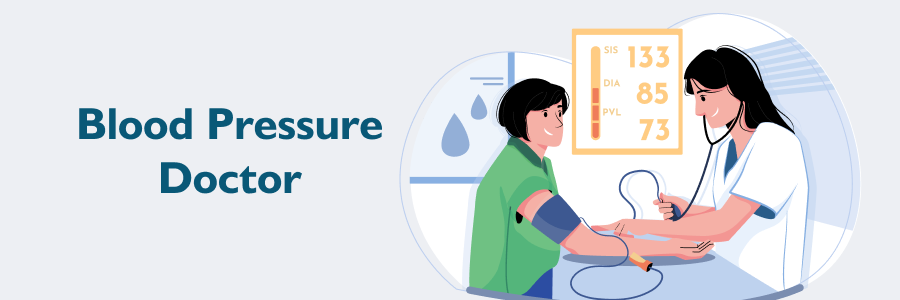
In the maze of healthcare options, pinpointing the best blood pressure doctor can be as crucial as the treatment itself. If you have high blood pressure or are trying to keep your heart healthy, knowing which doctor to see and how your diet affects your blood pressure is really important. Let's navigate the journey to finding a top cardiologist nearby and the dietary dos and don'ts for blood pressure management.
Blood Pressure and Its Impacts
Blood pressure isn't just a set of numbers your doctor says during a check-up; it's a vital sign of your overall health. High blood pressure, or hypertension, is a silent threat that increases the risk of heart disease and stroke if left untreated. That is why choosing a reliable blood pressure doctor in your area is a must-do.
Get a second opinion from trusted experts and makeconfident, informed decisions.
Get Second OpinionNot sure where to start?
Talk to a patient care advisor — free, confidential, 24/7. We'll match you to the right specialist and book your appointment in minutes.
The Role of a Cardiologist in Keeping Your Heart and BP Healthy
A Cardiologist is an expert physician with specialized training in diagnosing, treating, and preventing heart and blood vessel diseases. If you have high blood pressure, consult a nearby cardiologist who can offer personalised advice and treatment plans to keep your heart health on track.
How to Find the Best Blood Pressure Doctor Near Me
Locating a high blood pressure doctor near you involves more than a quick internet search. Here are some critical steps to ensure you find the right match for your health needs.
Seek Referrals and Research Credentials
To find a good cardiologist for managing your blood pressure:
- Start with referrals from your primary care doctor.
- Ask friends and family, or check online reviews for recommendations.
- Verify board certification to ensure they meet standards.
- Check their education, residency, and any specialized training.
- Look for experience in treating patients with high blood pressure.
Evaluate Communication Style and Patient Reviews
- When meeting a cardiologist, pay attention to these abilities
- Evaluate their communication skills. Do they listen to your concerns?
- Assess if they provide clear and thorough explanations.
- Read patient reviews to understand their communication style and bedside manner.
Consider Hospital Affiliation and Location
When choosing a cardiologist for high blood pressure treatment, consider these factors:
- Hospital Quality: Assess the quality of care at the hospital where the cardiologist practices, as it can impact your treatment outcomes.
- Location: Opt for a cardiologist near you for convenience in scheduling appointments and receiving treatments.
Best Diet For High Blood Pressure: Foods to Avoid
Food can help you control your blood pressure. It's important to know the foods that increase blood pressure and those that help manage it.
Foods That Raise Blood Pressure
Saturated Fats and Cholesterol
Minimising consumption of saturated fat and cholesterol-rich meals can help regulate blood pressure by reducing plaque accumulation in arteries.
- Fatty Meats: Reduce consumption of fatty cuts of beef, pork, and lamb.
- Full-Fat Dairy: Choose low-fat or fat-free options for milk, yogurt, and cheese.
- Processed Snacks: Cut back on snacks like chips, cookies, and pastries high in saturated fats.
Sodium-rich and High-Salt Processed Foods
Sodium causes the body to retain water and increases blood pressure. Avoid high-salt, processed foods like canned soups, deli meats, and fast food.
Caffeine and Alcohol
While a cup of coffee or an occasional alcoholic drink may seem harmless, both caffeine and alcohol can temporarily spike your blood pressure. Moderation is key.
High Blood Pressure Diet Restrictions: Foods to Embrace
Potassium-Rich Foods
Potassium helps balance the amount of sodium in your cells. Incorporate potassium-rich foods like bananas, spinach, and sweet potatoes into your diet.
Foods Recommended in the DASH Diet
The DASH (Dietary Approaches to Stop Hypertension) diet is popular for its ability to lower blood pressure and enhance heart health. The diet contains:
- Fruits and Vegetables
- Whole Grains
- Lean Proteins
- Low-Fat Dairy
- Nuts and Seeds
- Limited Sodium
The DASH Diet Restrictions
The DASH diet restricts high-fat foods, red meat, and sweets. By following these guidelines, you can work towards lowering your blood pressure naturally.
How Medicover Take Care of Your Heart and Control BP
In addition to diet, other lifestyle changes can support heart health:
- Regular Exercise: Make physical activity a habit to promote a healthy heart.
- Maintain a Healthy Weight: Manage your weight to reduce strain on your heart and arteries.
- Manage Stress: Find ways to reduce and cope with stress to promote heart health.
The Importance of Regular Health Check-Ups
Remember to consider the importance of regular heart check-ups with your doctor. These visits allow for monitoring and adjustments to your treatment plan as needed.
Your health is everything - prioritize your well-being today.
Schedule Your AppointmentConclusion
Finding the best blood pressure doctor and understanding the dietary impact on your heart health are significant steps toward a healthier life. With the right medical professional and lifestyle changes, you can take control of your blood pressure and pave the way for long-term wellness. Remember to check with your doctor before making any changes to your diet or health routine. They will offer personalized advice and support that fits your unique health situation.
Take the first step today by searching for a cardiologist or a doctor specializing in high blood pressure in your area, and schedule an appointment to discuss your health concerns. This proactive approach can help you manage and improve your heart health effectively.
Frequently Asked Questions
Avoid high-sodium foods like chips, processed meats, and salty snacks. These can cause fluid retention, which raises blood pressure and worsens hypertension.
Sodium causes the body to retain water, increasing blood volume and raising blood pressure, which strains the heart and blood vessels.
Yes, saturated fats in red meat, butter, and dairy products can worsen high blood pressure by contributing to artery blockages and inflammation.
Excess sugar can lead to weight gain, insulin resistance, and increased blood pressure, affecting blood vessel health and exacerbating hypertension.
Yes, alcohol can raise blood pressure, especially in large amounts. Chronic consumption can hinder blood pressure control and increase hypertension risks.
Caffeine can temporarily raise blood pressure by stimulating the heart and constricting blood vessels, and excessive intake may contribute to long-term hypertension.
A high-salt diet causes the body to retain water, increasing blood volume and raising blood pressure, which heightens the risk of heart disease and stroke.
Processed foods like fast food, canned meals, and packaged snacks are high in sodium, unhealthy fats, and preservatives, which worsen blood pressure control.
Potassium helps balance sodium’s effect, relaxes blood vessels, reduces fluid retention, and lowers blood pressure, aiding in hypertension management.
The DASH diet promotes nutrient-rich foods like fruits, vegetables, whole grains, and lean proteins, reducing sodium and helping lower blood pressure.
- Cardiology
- Case Studies
- Dermatology
- Endocrinology
- ENT
- Fertility
- Gastroenterology
- General
- General-Medicine
- Gynecology
- Hematology
- Infectious-Diseases
- Medical News
- Neurology
- Oncology
- Ophthalmology
- Orthopedics
- Pediatrics
- Procedure
- Public-Health
- Pulmonology
- Radiology
- Second Opinion
- Urology
- Wellness
- Woman-and-child
Related Blogs
Still have questions? Speak with our experts now!
040-68334455


