 Call
Call Patient Reports
Table of Contents
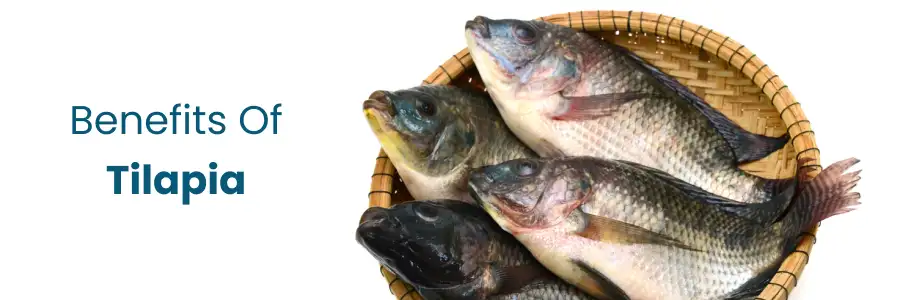
Health Benefits of Tilapia and Its Nutritional Value


Tilapia is a popular fish eaten in many parts of the world. It has a mild taste and is usually affordable, which makes it a common choice for meals. At the same time, there are questions about its nutrition and possible health concerns. This article explains the nutrients in tilapia, its possible health benefits, and some common concerns about eating it.
Nutritional Profile of Tilapia
Tilapia contains several nutrients that can fit into a balanced diet. Some of the important nutrients it provides are listed below.
Protein
Tilapia is a good source of protein. A 3.5-ounce serving of cooked tilapia contains around 26 grams of protein. This can make it useful for people who need more protein in their diet. Protein is needed for muscle repair, muscle growth, and many normal functions in the body.
Omega-3 Fatty Acids
Tilapia contains omega-3 fatty acids, although it has less than oily fish such as salmon. Omega-3 fatty acids are important for the heart and brain. They also help the body manage inflammation.
Vitamins and Minerals
Along with protein and healthy fats, tilapia provides several vitamins and minerals, such as:
- Vitamin B12: Helps keep nerves healthy and is needed to make DNA and red blood cells.
- Phosphorus: Helps keep bones and teeth strong and supports their normal development.
- Selenium: Helps protect cells from damage and plays a role in normal immune function.
Health Benefits of Eating Tilapia
- Tilapia provides omega-3 fatty acids, which may help support heart health and control inflammation.
- It is low in saturated fat, which can be useful when following a diet aimed at maintaining healthy cholesterol levels.
- Since tilapia is relatively low in calories and provides plenty of protein, it can fit into a weight-management diet.
- Protein takes longer to digest and can help you stay full between meals, which may help prevent overeating.
- Tilapia contains phosphorus, which is needed for healthy bones and teeth.
- Getting enough phosphorus and other nutrients that support bone health may help maintain bone strength and lower the risk of conditions such as osteoporosis.
- Selenium in tilapia helps the immune system and protects cells from oxidative damage.
Get a second opinion from trusted experts and makeconfident, informed decisions.
Get Second OpinionNot sure where to start?
Talk to a patient care advisor — free, confidential, 24/7. We'll match you to the right specialist and book your appointment in minutes.
Tilapia vs Other Fish
Nutritional Comparison
Tilapia differs from other commonly eaten fish in a few ways:
- Salmon: Provides more omega-3 fatty acids but usually has more fat and calories.
- Cod: Provides a similar amount of protein but generally contains less omega-3.
- Catfish: Has a similar protein content but may contain more fat and calories.
- The environmental impact of tilapia farming can be lower than that of some other forms of aquaculture, especially when looking at freshwater use and feed conversion.
- Using sustainable farming methods can help reduce the environmental impact of raising tilapia.
Delicious Tilapia Recipes
Creamy Tilapia with Artichokes
Ingredients:
- 4 tilapia fillets
- 1 can of artichoke hearts, drained and chopped
- 1 cup heavy cream
- 1/2 cup grated Parmesan cheese
- 2 cloves garlic, minced
- Salt and pepper to taste
- 2 tablespoons olive oil
Instructions
- Set the oven to 375°F (190°C) and allow it to preheat.
- Season the tilapia fillets with salt and pepper.
- Heat the olive oil in a large skillet over medium heat. Add the garlic and cook until fragrant.
- Add the chopped artichoke hearts and cook for 2-3 minutes.
- Add the heavy cream and Parmesan cheese. Stir and cook until the sauce becomes thicker.
- Put the tilapia fillets in a baking dish and pour the artichoke sauce over them.
- Bake for 20-25 minutes. The fish should be fully cooked and should flake easily with a fork.
Artichoke and Parmesan Tilapia
Ingredients:
- 4 tilapia fillets
- 1 can of artichoke hearts, drained and chopped
- 1/2 cup grated Parmesan cheese
- 1/4 cup mayonnaise
- 1/4 cup sour cream
- 1 tablespoon lemon juice
- Salt and pepper to taste
Instructions:
- Preheat the oven to 400°F (200°C).
- Combine the chopped artichoke hearts, Parmesan cheese, mayonnaise, sour cream, lemon juice, salt, and pepper in a bowl.
- Arrange the tilapia fillets on a baking sheet covered with parchment paper.
- Spread the artichoke mixture over each fillet.
- Bake for 15-20 minutes, or until the fish is cooked through and the topping turns golden brown.
Tilapia Fish Benefits and Side Effects
Benefits
- Nutrient-Rich: Tilapia supplies protein along with several vitamins and minerals.
- Heart Health: Its omega-3 fatty acids may help support cardiovascular health.
- Weight Management: Tilapia is relatively low in calories and high in protein, which can make it a suitable option for people managing their weight.
Side Effects
- Omega-6 Fatty Acids: Tilapia contains more omega-6 fatty acids than omega-3 fatty acids. Eating large amounts of one type of food may make it harder to maintain a balanced intake of different fats.
- Farming Practices: Poor farming conditions may increase the chance of contamination or antibiotic use. Choosing tilapia from a trusted and responsibly sourced supplier can help avoid some of these concerns.
Conclusion
Tilapia provides protein, vitamins, minerals, and other nutrients that can be part of a healthy diet. It has less omega-3 than some types of fish, but it can still be included in a balanced diet. Choosing fish from a reliable source can also help reduce concerns related to farming practices.
There are several ways to prepare tilapia at home. Creamy tilapia with artichokes and artichoke and Parmesan tilapia are two simple options to try.
Your health is everything - prioritize your well-being today.
Schedule Your AppointmentFrequently Asked Questions
1. Is tilapia a healthy fish to eat?
Tilapia can be a healthy choice as it's low in fat and calories. It provides protein, vitamins, and minerals. However, its health benefits depend on how it's farmed and prepared.
2. Is tilapia high in protein?
Yes, tilapia is high in protein. A standard serving provides a good amount of protein, making it a solid choice for muscle maintenance and overall health.
3. Is tilapia healthier than salmon?
Salmon is generally considered healthier than tilapia due to its higher omega-3 fatty acid content, which is beneficial for heart health. Tilapia is lower in omega-3s but is still a good source of protein.
4. Is tilapia better than chicken?
Tilapia and chicken offer different benefits. Tilapia is low in fat and a good source of protein, whole chicken provides more protein per serving and is also rich in certain vitamins and minerals. The choice depends on dietary preferences and nutritional needs.
5. What is the disease in tilapia in humans?
Tilapia can carry parasites or bacteria that cause foodborne illnesses if not properly cooked. One notable concern is the potential presence of the bacterium Tilapia lake virus, though it’s primarily an issue for fish farming rather than direct human infection.
- Cardiology
- Case Studies
- Dermatology
- Endocrinology
- ENT
- Fertility
- Gastroenterology
- General
- General-Medicine
- Gynecology
- Hematology
- Infectious-Diseases
- Medical News
- Neurology
- Oncology
- Ophthalmology
- Orthopedics
- Pediatrics
- Procedure
- Public-Health
- Pulmonology
- Radiology
- Second Opinion
- Urology
- Wellness
- Woman-and-child
Related Blogs


