 Call
Call Patient Reports
- Cardiology 84
- Dermatology 45
- Endocrinology 33
- ENT 16
- Fertility 190
- Gastroenterology 78
- General-Medicine 81
- Gynecology 80
- Hematology 19
- Infectious-Diseases 33
- Neurology 52
- Oncology 34
- Ophthalmology 23
- Orthopedics 69
- Pediatrics 31
- Procedure 23
- Public-Health 144
- Pulmonology 59
- Radiology 8
- Urology 68
- Wellness 161
- Woman-and-child 77
- 3759
- 3.5 Minute
Barrett's Esophagus Treatment at Medicover Hospital in Begumpet
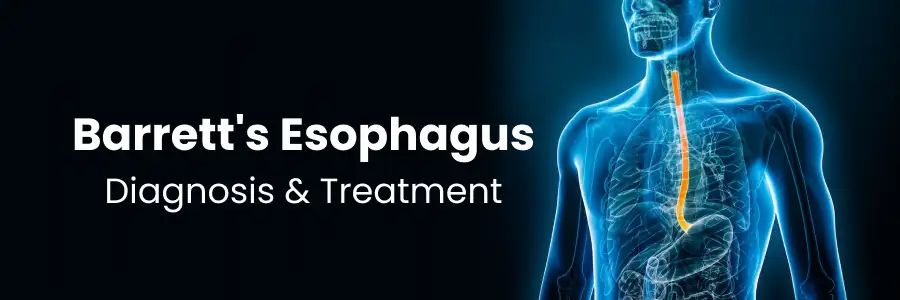
Barrett's esophagus is a condition where the tissue lining the esophagus changes to tissue that resembles the lining of the intestine. This change is often due to chronic acid reflux, also known as gastroesophageal reflux disease (GERD). Understanding the diagnosis and treatment of Barrett's esophagus at Medicover Hospital in Begumpet is crucial for preventing complications and managing symptoms effectively.
What is Barrett's Esophagus?
Barrett's esophagus occurs when the esophagus is frequently exposed to stomach acid, leading to changes in the esophageal lining. These changes can increase the risk of developing esophageal cancer. However, with proper monitoring and treatment, the risk can be managed.
Causes and Risk Factors
Several factors contribute to the development of Barrett's esophagus:
- Chronic Acid Reflux (GERD): The most significant risk factor.
- Age: Commonly diagnosed in adults over 50.
- Gender: More prevalent in men than women.
- Obesity: Particularly abdominal obesity.
- Smoking: Increases the risk significantly.
- Family History: Genetic predisposition can play a role.
Get a second opinion from trusted experts and makeconfident, informed decisions.
Get Second OpinionNot sure where to start?
Talk to a patient care advisor — free, confidential, 24/7. We'll match you to the right specialist and book your appointment in minutes.
Diagnosing Barrett's Esophagus
Early diagnosis of Barrett's esophagus is vital for effective management and prevention of complications.
Diagnostic Tests for Barrett's Esophagus
Several diagnostic tests are used to identify Barrett's esophagus:
- Endoscopy: A flexible tube with a camera is inserted down the throat to examine the esophagus and take tissue samples (biopsies).
- Biopsy: Tissue samples taken during endoscopy are examined under a microscope to look for changes in the cells lining the esophagus.
- Esophageal Manometry: Measures the rhythm and force of esophageal contractions.
- pH Monitoring: Measures acid levels in the esophagus over 24 hours.
Monitoring Barrett's Esophagus
Regular monitoring is crucial for those diagnosed with Barrett's esophagus to detect any changes early and prevent complications.
Surveillance Endoscopy
Surveillance endoscopy is recommended every 3-5 years for patients with Barrett's esophagus. This procedure allows doctors to monitor changes in the esophageal lining and detect dysplasia (precancerous cells) early.
Biopsy and Histological Analysis
During surveillance endoscopies, biopsies are taken to check for dysplasia. The frequency of these biopsies depends on the degree of dysplasia found:
- No Dysplasia: Every 3-5 years.
- Low-Grade Dysplasia: Every 6-12 months.
- High-Grade Dysplasia: Every three months or more frequently.
Treatment Options for Barrett's Esophagus
Treatment aims to manage symptoms, prevent further damage, and reduce the risk of oesophageal cancer.
Lifestyle Changes
Making lifestyle changes can significantly improve symptoms and reduce the risk of complications:
- Dietary Adjustments: Avoid foods and drinks that trigger acid reflux, such as spicy foods, caffeine, and alcohol.
- Weight Management: Achieving and maintaining a healthy weight can reduce pressure on the stomach.
- Smoking Cessation: Quitting smoking can improve symptoms and overall health.
- Elevating the Head During Sleep: Helps prevent nighttime acid reflux.
Medications
Medications are often prescribed to manage acid reflux and protect the esophagus:
- Proton Pump Inhibitors (PPIs): Reduce stomach acid production.
- H2 Receptor Blockers: Decrease acid production.
- Antacids: Neutralize stomach acid and provide quick relief.
Endoscopic Therapies
Endoscopic therapies are minimally invasive procedures that can treat Barrett's esophagus and prevent complications:
- Radiofrequency Ablation (RFA): Uses heat to remove abnormal cells.
- Endoscopic Mucosal Resection (EMR): Removes abnormal tissue using a specialized endoscope.
- Cryotherapy: Freezes and destroys abnormal cells.
Surgical Options
In some cases, surgery may be necessary to treat Barrett's esophagus:
- Fundoplication: A surgical procedure that wraps the top of the stomach around the lower esophagus to prevent acid reflux.
- Esophagectomy: Removal of part or all of the esophagus, typically reserved for severe cases or high-grade dysplasia.
Preventing Complications of Barrett's Esophagus
Preventing complications involves regular monitoring, adhering to treatment plans, and making lifestyle changes.
Regular Check-ups
Regular check-ups with a gastroenterologist at Medicover Hospital in Begumpet are essential for monitoring the condition and adjusting treatment as needed.
Adhering to Treatment Plans
Following the prescribed treatment plan, including taking medications as directed and attending scheduled endoscopies, is crucial for managing Barrett's esophagus.
Healthy Lifestyle Choices
Maintaining a healthy lifestyle by managing weight, avoiding smoking, and following a reflux-friendly diet can help prevent complications.
Your health is everything - prioritize your well-being today.
Schedule Your AppointmentSupportive Care for Barrett's Esophagus
Supportive care plays a vital role in managing Barrett's esophagus and improving their quality of life.
Patient Education
Educating patients about their condition, treatment options, and lifestyle changes can empower them to take an active role in their care.
Psychological Support
Living with a chronic condition like Barrett's esophagus can be stressful. Psychological support, such as counseling or support groups, can help patients cope with their diagnosis.
Nutritional Counseling
Working with a nutritionist can help patients identify foods that trigger symptoms and create a diet plan that supports their health.
Conclusion
Barrett's esophagus is a manageable condition with proper diagnosis, monitoring, and treatment. By understanding the risk factors, undergoing regular check-ups, and making necessary lifestyle changes, patients can effectively manage their condition and reduce the risk of complications.
Frequently Asked Questions
Symptoms often include persistent heartburn, difficulty swallowing, chest pain, or a sour taste in your mouth. However, some people might not have noticeable symptoms, which is why regular check-ups are essential.
We use upper endoscopy to examine the esophagus and take tissue samples. If the tissue has changed, it might indicate Barrett's Esophagus and further tests may be done to assess the risk of cancer.
In severe cases, we might recommend procedures like endoscopic resection, radiofrequency ablation, or even surgery to remove the affected part of the esophagus.
Barrett's Esophagus can increase the risk of esophageal cancer. We manage this by providing regular screenings, effective treatments, and comprehensive care to address any related health concerns.
You can book an appointment online through the Medicover Hospital website or by calling the helpline number 040-68334455.
- Cardiology
- Case Studies
- Dermatology
- Endocrinology
- ENT
- Fertility
- Gastroenterology
- General
- General-Medicine
- Gynecology
- Hematology
- Infectious-Diseases
- Medical News
- Neurology
- Oncology
- Ophthalmology
- Orthopedics
- Pediatrics
- Procedure
- Public-Health
- Pulmonology
- Radiology
- Second Opinion
- Urology
- Wellness
- Woman-and-child
Related Blogs
Still have questions? Speak with our experts now!
040-68334455


