 Call
Call Patient Reports
- Cardiology 84
- Dermatology 45
- Endocrinology 33
- ENT 16
- Fertility 190
- Gastroenterology 78
- General-Medicine 81
- Gynecology 80
- Hematology 19
- Infectious-Diseases 33
- Neurology 52
- Oncology 34
- Ophthalmology 23
- Orthopedics 69
- Pediatrics 31
- Procedure 23
- Public-Health 144
- Pulmonology 59
- Radiology 8
- Urology 68
- Wellness 161
- Woman-and-child 77
- 3759
- 3.5 Minute
Significance of 120/80 Blood Pressure
Blood pressure is a critical marker of cardiovascular health, often encapsulated by the numbers 120/80 mmHg, considered the gold standard for healthy blood pressure levels. Understanding what these numbers mean and how they impact your health is essential for maintaining cardiovascular wellness.
What Does 120/80 Blood Pressure Mean?
Breaking Down the Numbers
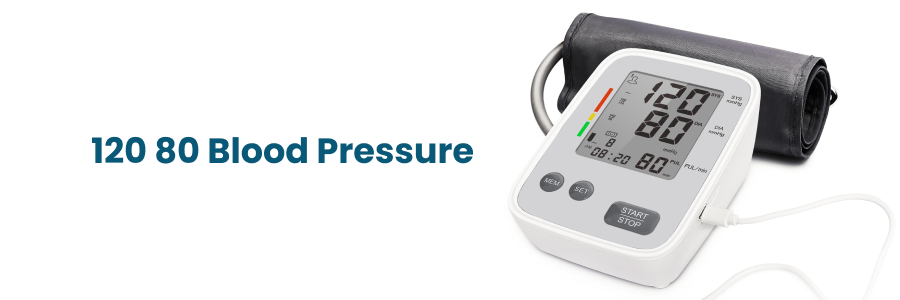
Blood pressure readings consist of two numbers: systolic and diastolic pressures. The systolic pressure (120 mmHg in 120/80) measures the force your heart exerts on the walls of your arteries each time it beats. The diastolic pressure (80 mmHg in 120/80) measures the force exerted on the artery walls between beats, when the heart is at rest.
Why 120/80 Is Considered Normal
A blood pressure reading of 120/80 mmHg is widely regarded as the benchmark for normal blood pressure. This reading indicates that your heart is efficiently pumping blood without undue strain on your arteries. Deviations from this standard can signify various health issues.
Get a second opinion from trusted experts and makeconfident, informed decisions.
Get Second OpinionNot sure where to start?
Talk to a patient care advisor — free, confidential, 24/7. We'll match you to the right specialist and book your appointment in minutes.
The Importance of Maintaining Normal Blood Pressure
Cardiovascular Health
Maintaining a blood pressure of 120/80 mmHg significantly reduces the risk of cardiovascular diseases such as heart attacks, strokes, and atherosclerosis. Elevated blood pressure can cause damage to arterial walls, leading to plaque buildup and reduced blood flow.
Overall Well-being
Normal blood pressure is crucial for heart health and overall well-being. High blood pressure, or hypertension, can lead to complications such as kidney damage, vision loss, and metabolic syndrome. Conversely, low blood pressure, or hypotension, may cause dizziness, fainting, and inadequate blood flow to organs.
Symptoms of High Blood Pressure
Silent but Deadly
High blood pressure is often termed the "silent killer" because it typically presents no symptoms until significant damage has occurred. Regular monitoring is essential to catch hypertension early and mitigate its effects.
Recognizable Symptoms
In severe cases, high blood pressure may manifest through symptoms such as headaches, shortness of breath, nosebleeds, and chest pain. These symptoms warrant immediate medical attention.
Measuring Blood Pressure
Methods of Measurement
Blood pressure can be measured using manual sphygmomanometers or digital blood pressure monitors. When used correctly, both methods provide accurate readings.
Manual Sphygmomanometers
This traditional method involves a cuff, a bulb, and a stethoscope. The cuff is inflated to constrict the artery, and the stethoscope is used to listen for the heartbeat. The point at which the heartbeat is first heard indicates the systolic pressure, and the point at which it disappears indicates the diastolic pressure.
Digital Blood Pressure Monitors
Digital monitors are user-friendly and provide quick readings. These devices automatically inflate the cuff and display the systolic and diastolic pressures on a screen.
Best Practices for Accurate Measurement
Accurate blood pressure measurement requires following specific protocols:
- Rest: Ensure you are seated and relaxed for at least 5 minutes before measurement.
- Positioning: Sit with your back supported, legs uncrossed, and feet flat on the floor. The arm should be at heart level.
- Cuff Size: Use an appropriately sized cuff to ensure accurate readings.
Factors Influencing Blood Pressure
Lifestyle Choices
Several lifestyle factors can influence blood pressure levels. These include diet, physical activity, and stress management.
Diet
A diet high in sodium and low in potassium can elevate blood pressure. Conversely, a diet rich in fruits, vegetables, whole grains, and lean proteins can help maintain healthy levels.
Physical Activity
Regular physical activity strengthens the heart, enabling it to pump blood with less effort and reducing arterial pressure. Aim for at least 150 minutes of moderate-intensity exercise per week.
Stress Management
Chronic stress can lead to temporary spikes in blood pressure. Incorporating stress-reducing techniques such as meditation, deep breathing exercises, and hobbies can help manage stress levels.
Genetic Factors
Genetics also play a significant role in determining blood pressure. A family history of hypertension increases your risk, making regular monitoring even more critical.
Your health is everything - prioritize your well-being today.
Schedule Your AppointmentWhat to Do if Your Blood Pressure Is Not 120/80
Elevated Blood Pressure
If your blood pressure consistently reads above 120/80 mmHg, lifestyle modifications and medical interventions may be necessary. Consult with a healthcare provider to develop a personalized plan.
Lifestyle Modifications
- Dietary Changes: Reduce sodium intake and increase consumption of potassium-rich foods.
- Exercise: Incorporate regular physical activity into your routine.
- Weight Management: Achieve and maintain a healthy weight.
Medical Interventions
In some cases, lifestyle changes alone may not suffice. Medications such as diuretics, ACE inhibitors, and beta-blockers can help manage hypertension.
Low Blood Pressure
If your blood pressure is consistently below 90/60 mmHg, it is essential to identify the underlying cause. Causes may include dehydration, heart problems, and endocrine disorders. Treatment may involve dietary adjustments, increased fluid intake, and medications to raise blood pressure.
Conclusion
Understanding the significance of a 120/80 blood pressure reading is crucial for maintaining optimal health. Regular monitoring, lifestyle modifications, and medical interventions can help manage blood pressure levels and reduce the risk of serious health complications. By prioritizing cardiovascular health, you can enjoy a longer, healthier life.
Frequently Asked Questions
A blood pressure reading of 120/80 is considered normal and indicates healthy circulation.
Normal blood pressure is typically defined as anything below 120/80 mmHg.
Blood pressure is measured using a sphygmomanometer, which gauges the pressure in arteries.
Common symptoms can include headaches, dizziness, and blurred vision, but many may have no symptoms at all.
Regular monitoring helps detect any health issues early, ensuring timely intervention if needed.
- Cardiology
- Case Studies
- Dermatology
- Endocrinology
- ENT
- Fertility
- Gastroenterology
- General
- General-Medicine
- Gynecology
- Hematology
- Infectious-Diseases
- Medical News
- Neurology
- Oncology
- Ophthalmology
- Orthopedics
- Pediatrics
- Procedure
- Public-Health
- Pulmonology
- Radiology
- Second Opinion
- Urology
- Wellness
- Woman-and-child
Related Blogs
Still have questions? Speak with our experts now!
040-68334455


