What is a Mastectomy?
A mastectomy is a major surgical procedure where a surgeon removes one or both breasts. It is most commonly performed to treat breast cancer, but in some cases, it may also be done to reduce the risk of developing cancer or to treat conditions like gynecomastia (enlargement of male breasts).
The extent of breast removal depends on:
- The stage and spread of cancer
- The patient's overall health and preferences
- Whether breast reconstruction will be done at the same time
While the primary goal is to remove cancerous or high-risk tissue, many patients also choose reconstructive surgery to restore the breast's natural shape and improve body confidence.
Types of Mastectomy Surgery
Different types of mastectomy are available, each suited to specific patient needs and medical conditions.
Simple (Total) Mastectomy
- The entire breast tissue is removed, including the nipple and areola.
- Lymph nodes and muscles are not removed.
- Often recommended for patients with cancer confined to the breast.
Modified Radical Mastectomy
- Removes the whole breast along with some lymph nodes in the armpit (axillary lymph nodes).
- Helps doctors check if cancer has spread beyond the breast.
Radical Mastectomy (rarely performed today)
- Involves removal of the entire breast, chest wall muscles, and lymph nodes.
- Historically used for advanced cancers, but now largely replaced with less aggressive options.
Skin-Sparing Mastectomy
- Most of the breast skin is preserved, while the underlying tissue is removed.
- Beneficial for patients planning immediate reconstruction.
Nipple-Sparing Mastectomy
- Breast tissue is removed, but the nipple and areola are kept intact.
- Improves cosmetic outcomes when reconstruction is performed.
Double / Bilateral Mastectomy
- Both breasts are removed.
- Often chosen by women with high genetic risk (e.g., BRCA1 or BRCA2 mutation) or strong family history.
2-3 Hours
Surgery Duration
General Anesthesia
Anesthesia Used
2-3 Months
Full Recovery Timeline
When is Mastectomy Recommended?
A mastectomy is not always the first treatment choice. Doctors carefully evaluate each patient's condition, overall health, and personal preferences before recommending surgery. It is usually advised in the following situations:
Breast Cancer That Is Widespread or Recurrent
- When cancer affects several areas of the breast or has returned after previous treatments, removing the entire breast may be the safest option.
- Mastectomy helps control the disease and reduces the chance of further spread.
High Genetic Risk (BRCA1 or BRCA2 Mutations)
- Women with inherited mutations in the BRCA1 or BRCA2 genes face a much higher lifetime risk of breast cancer.
- In such cases, preventive mastectomy may be recommended even before cancer develops, as it can reduce the risk by up to 90-95%.
Large or Multiple Tumors Not Suitable for Lumpectomy
- If the tumor is very large compared to breast size, or if there are multiple tumors in different areas, breast-conserving surgery (lumpectomy) may not be possible.
- Mastectomy allows complete removal of affected tissues in such cases.
Preventive (Prophylactic) Mastectomy
- Some women choose to undergo mastectomy as a preventive measure, especially with a strong family history or genetic predisposition.
- This decision is usually taken after detailed counseling, genetic testing, and psychological support.
Male Breast Cancer or Severe Gynecomastia
- Though less common, men can also develop breast cancer.
- In these cases, mastectomy is the standard treatment.
- In rare cases of severe, painful, or deforming gynecomastia (enlarged male breast tissue), mastectomy may also be considered.
How to Prepare for Mastectomy Surgery?
Preparing well for mastectomy surgery is important for both your safety and comfort. Proper planning reduces risks, makes recovery easier, and helps you feel more in control.
Medical Evaluation & Tests
Before surgery, your healthcare team will conduct several tests to check your overall health and surgical readiness:
- Blood Tests: to check blood count, clotting ability, and organ function.
- Imaging Studies: mammogram, ultrasound, or MRI to map the breast tissue and plan surgery.
- Electrocardiogram (ECG): to assess heart health, especially for patients over 40 or those with cardiac history.
- Other Tests: lung function tests or chest X-rays may be ordered if you have respiratory conditions.
Your doctor may also review your medical history, allergies, and current medications.
Lifestyle Adjustments
Certain lifestyle changes before surgery can improve healing and lower the risk of complications:
- Quit Smoking: smoking reduces oxygen supply and delays wound healing. Aim to stop at least 2-4 weeks before surgery.
- Avoid Alcohol: limit or stop alcohol, as it may interfere with anesthesia and recovery.
- Manage Medications: some medicines, especially blood thinners (like aspirin, warfarin, or certain herbal supplements), need to be stopped several days before surgery. Always follow your surgeon's advice.
- Stay Active & Eat Well: gentle exercise and a nutrient-rich diet help boost immunity and recovery.
Home Preparation
Planning your home environment can make recovery more comfortable:
- Arrange Support: ask a family member or friend to assist with cooking, dressing, and transportation.
- Meal Preparation: prepare easy-to-heat meals in advance.
- Clothing: keep loose, front-opening shirts or tops ready, as lifting your arms may be difficult after surgery.
- Comfort Items: extra pillows, arm cushions, and items within easy reach will make rest easier.
Day Before & Day of Surgery
Following hospital instructions closely helps ensure smooth surgery:
- Fasting: Doctors usually ask you not to eat or drink anything for 6 to 8 hours before surgery. This helps prevent complications during the procedure.
- Bathing: If advised, take a shower the night before or on the morning of surgery using antibacterial soap. It helps reduce the risk of infection.
- Jewelry & Cosmetics: Remove nail polish, makeup, lotions, and all jewelry. Keeping your skin clean and natural lowers the chance of infection.
- Clothing: Wear clean, loose, and comfortable clothes when you come to the hospital. This makes it easier to change before and after the procedure.
- Essential Items: bring ID, insurance papers, and a small bag with personal items.
What Happens During a Mastectomy Surgery Procedure?
A mastectomy is carried out in a hospital setting under general anesthesia, so you are asleep and feel no pain. The exact steps can vary depending on the type of mastectomy and whether reconstruction is planned, but the process usually follows these stages:
Preparation & Anesthesia
- Before surgery, you meet the anesthesiologist to review your health and discuss anesthesia.
- General anesthesia is given through an IV line. Once it takes effect, you are unconscious and pain-free.
- Throughout the surgery, your vital signs (heart rate, blood pressure, oxygen level, and breathing) are closely monitored for safety.
Incision
The surgeon makes a cut in the breast area, and the type of incision depends on the surgery planned:
- Simple/Total Mastectomy: A straight or curved cut across the breast.
- Skin-Sparing Mastectomy: An incision around the nipple and areola, keeping most skin intact.
- Nipple-Sparing Mastectomy: A cut that preserves the nipple and areola for reconstruction.
- The choice of incision affects both recovery and reconstruction options.
Removal of Tissue
During this stage, the surgeon carefully removes breast tissue. What is removed depends on the type of cancer and its spread:
- Breast tissue: Fat, ducts, and lobules that make up the breast.
- Skin, nipple, or areola: May be removed in some types of mastectomy.
- Lymph nodes: Sentinel lymph node biopsy or axillary dissection may be performed to check if cancer has spread.
- Chest muscle lining: Rarely, a thin layer covering the chest muscle may be removed if cancer is very close.
Closure & Dressing
- After tissue removal (and reconstruction if done), the surgeon closes the incision with stitches or staples.
- Drainage tubes may be placed to collect excess blood and fluid, preventing swelling.
- A sterile dressing or surgical bra is applied to protect the incision and support healing.
Recovery Room
- After surgery, you are moved to a post-anesthesia recovery room.
- Nurses monitor your breathing, blood pressure, oxygen levels, and pain control.
- Once stable, you are transferred to your hospital room, usually for an overnight stay.
Who Will Perform Mastectomy Surgery?
Key professionals involved in mastectomy treatment:
What to Expect After Mastectomy Surgery
Recovery after a mastectomy is different for every person, but most regain strength within a few weeks. Healing happens in stages, and knowing what to expect can make the process less stressful.
First Few Days After Surgery
- Pain and swelling: It is common to feel soreness, tightness, and swelling in the chest and underarm. Your doctor will prescribe pain medicine to keep you comfortable.
- Surgical drains: Thin tubes may be placed to remove fluid buildup. Nurses will teach you how to care for them at home.
- Movement: Light walking is encouraged as soon as possible to improve circulation and reduce the risk of blood clots.
- Hospital stay: Most patients stay in the hospital for 1-3 days, depending on their surgery and overall health.
Weeks 2-4 of Mastectomy Recovery
- Stitches or staples: These are often removed within this period. Dissolvable stitches may disappear on their own.
- Reduced swelling: The chest area begins to feel lighter, though numbness or tingling may remain for some time.
- Gentle activity: Light household tasks and short walks are usually safe. Avoid lifting heavy objects or raising your arm too high until cleared by your doctor.
- Follow-up visits: Your surgeon will check healing progress and discuss next steps.
Weeks 5-6 of Mastectomy Recovery
- Return to routine: Many patients feel ready to return to work, depending on their job type. Office work is often possible sooner than physical labor.
- Daily activities: Most normal tasks, such as cooking, driving, and light exercise, can be resumed.
- Arm exercises: A physical therapist may guide you through stretches to restore arm and shoulder mobility.
2-3 Months After Surgery
- Full healing: By this stage, most patients feel stronger and can do regular activities without restriction.
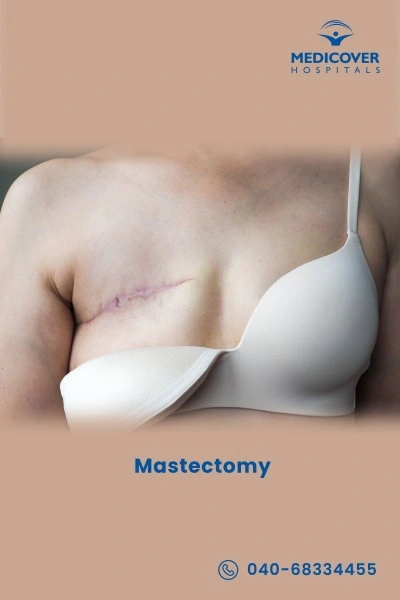
- Scar changes: Scars may look red or firm at first, but usually soften and fade with time.
- Breast reconstruction: If planned for later, reconstruction or additional procedures may be scheduled once healing is complete.
Emotional and Mental Recovery
Healing is not only physical. Many women experience feelings of loss, anxiety, or body image concerns. Support from family, friends, or counseling can be very helpful. Joining a breast cancer support group can also provide comfort and guidance.
Benefits of Mastectomy Surgery
Mastectomy offers several important health and lifestyle benefits. It is not only a treatment option for breast cancer but also a preventive choice for women at high risk.
- Removes Cancerous or High-Risk Tissue: The main goal is to remove breast tissue affected by cancer or at high risk of developing cancer, giving patients the best chance of long-term survival.
- Reduces Risk of Recurrence: By removing the entire breast, the risk of cancer returning in the same area is significantly lowered. This brings peace of mind to many patients.
- Reconstruction Options: After mastectomy, patients may choose breast reconstruction surgery. This helps restore the natural shape of the breast, improving confidence and appearance.
- Preventive Surgery for High-Risk Women: Women who carry BRCA1 or BRCA2 gene mutations, or who have a strong family history of breast cancer, sometimes choose prophylactic mastectomy. This preventive step can reduce their lifetime risk by up to 90-95%.
Risks and complications of Mastectomy Surgery?
As with all major surgeries, mastectomy carries potential risks and side effects. While most are temporary or manageable, it is important for patients to be aware before making a decision.
- Pain, Swelling, or Numbness: It is common to experience discomfort in the chest or arm for a few weeks after surgery. Some patients may also have temporary or permanent numbness near the incision site.
- Infection or Delayed Healing: The surgical site can sometimes develop infection or heal slowly, especially in patients with diabetes, obesity, or smoking habits.
- Fluid Build-Up (Seroma): Fluid pockets may form under the skin at the surgical site. Doctors usually manage these by draining them during follow-up visits.
- Restricted Arm Movement or Lymphedema: Some patients develop stiffness in the arm or shoulder. In rare cases, removal of lymph nodes can cause long-term swelling (lymphedema) in the arm.
- Scarring and Body Image Concerns: Visible scars and the change in breast appearance may affect self-esteem. Counseling and reconstruction options often help patients adjust.
Cost of Mastectomy Surgery in India
The cost of mastectomy surgery in India can vary based on several factors. These include the type of mastectomy performed, the hospital you choose, and whether breast reconstruction is part of the treatment.
On average, the surgery costs between Rs. 1,20,000 and Rs. 2,50,000. For exact pricing and detailed information, we recommend speaking with our support team, who can guide you based on your medical needs.
 040 68334455
 WhatsApp
 Patient Portal
 Home Care