 040 68334455
 WhatsApp
 Patient Portal
 Home Care
Experienced Pulmonary Edema Doctors in India

Dr Allena Prem Kumar

Dr Gangadhar Reddy Mallu

Dr A Raghukanth

Dr Manjunath B G
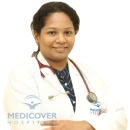
Dr Monisha Silla

Dr Satya Padmaja Mantha

Dr Sudheer Tale

Dr V Raja Manohar Acharyulu

Dr C A Umesh Varma

Dr Shahid Patel

Dr Meghana Subhash

Dr K Ravi Teja

Dr Suvarna lakshmi Kalli

Dr Yannawar Anand Namdevrao

Dr Bhima Shankar

Dr Ravindra Chari M

Dr Katamreddy Kowshik Reddy

Dr Nanda Kishore K S

Dr K Vinod Achari

Dr Y Prashanth

Dr Ashish Gade

Dr Abhijan Manikya Prabhu S

Dr Goli Manikya Venkata Kasiram

Dr Yasaswini Ganjam

Dr Veluvarthi Vijay

Dr Swapnil Sanjay Kakad

Dr Tanay Sinha

Dr Sravani Reddy Munagala

Dr Chaitanya Kappagantu

Dr Alla Bhagyaraj
Importance of Pulmonary Edema Specialist in Treatment
In the realm of managing Pulmonary Edema , disease specialists play a pivotal role in providing specialized care to patients grappling with this condition. Pulmonary Edema, characterized by the accumulation of fluid in the lungs, requires expert intervention to alleviate symptoms and prevent further complications. Disease specialists, equipped with extensive knowledge and experience in pulmonary disorders, are adept at diagnosing and treating Pulmonary Edema with precision. By focusing solely on this specific condition, these specialists can offer tailored treatment plans that cater to the unique needs of each patient, ultimately leading to more effective and efficient care. Specialists in Pulmonary Edema employ a multifaceted approach that encompasses various therapeutic modalities to optimize patient outcomes. These experts utilize advanced diagnostic techniques to accurately assess the severity of the condition and determine the most appropriate course of treatment. Through a combination of medications, such as diuretics to reduce fluid buildup, and lifestyle modifications, such as dietary changes and exercise regimens, disease specialists can effectively manage Pulmonary Edema and improve patients' quality of life. Additionally, their specialized knowledge allows them to stay abreast of the latest advancements in pulmonary medicine, ensuring that patients receive the most up-to-date and innovative care available. By entrusting their care to disease specialists, patients with Pulmonary Edema can benefit from comprehensive and personalized treatment strategies that enhance their overall health and well-being.
Why to Choose Pulmonary Edema Specialists at Medicover Hospitals in India
Patients diagnosed with Pulmonary Edema should consider Medicover Hospitals as their preferred choice for treatment due to the hospital's superior medical expertise, comprehensive treatment options, and an impeccable reputation for patient care. Medicover Hospitals boasts a cadre of highly skilled specialists, each with vast experience in managing Pulmonary Edema. These medical professionals employ a range of innovative treatment options, ensuring a personalized and targeted approach to care, thus enhancing the likelihood of successful patient outcomes. Renowned for its patient-centric approach, Medicover Hospitals prioritizes individual needs and comfort, delivering exceptional patient care marked by compassion and professionalism. The hospital's remarkable success in managing Pulmonary Edema cases resonates in the numerous positive patient testimonials and high recovery rates. At Medicover Hospitals, patients aren't just treated; they are valued, cared for, and healed.

Why Choose Our Doctors?
- Our doctors are experts in their fields and have years of experience.
- We provide top-tier medical infrastructure and technology.
- Easy booking options for both virtual and in-person consultations.
- Insurance & Cashless Payment Support
- Emergency & 24/7 Care
- Compassionate & Patient-Centered Approach
- Multi-Disciplinary Expertise (Collaboration between specialists ensures comprehensive treatment plans).
Our Hospitals Near You
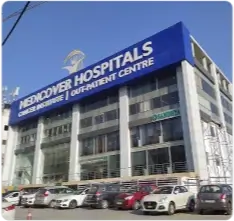
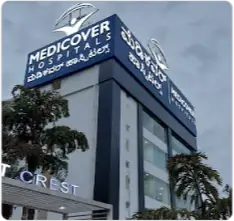

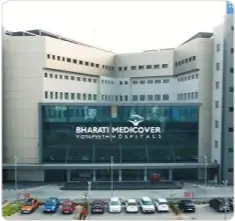
Popular Searches
Frequently Asked Questions
Early symptoms of Pulmonary Edema often include difficulty breathing, especially when lying down, a feeling of suffocating or drowning, wheezing or gasping for breath, and excessive sweating.
To manage Pulmonary Edema, patients should follow a low-sodium diet, take prescribed medications regularly, and monitor their weight daily. Regular check-ups with healthcare professionals are crucial for managing this condition effectively.
Common conditions often associated with Pulmonary Edema include heart problems like coronary artery disease and high blood pressure, kidney disease, lung damage due to exposure to toxins and certain medications, and severe infections.
Pulmonary Edema treatment typically involves medications to remove excess fluid, reduce heart workload, and manage underlying conditions. Oxygen therapy or assistance with breathing via a machine may also be required.


Feeling unwell?
Request a callback!
