 040 68334455
 WhatsApp
 Patient Portal
 Home Care
Best Ocular Migraine Doctors in India

Dr K. Satya Rao

Dr Venkateswarlu Kolichana

Dr Suresh Tatineni

Dr Hari Radhakrishna

Dr C Udaya Shankar

Dr Dudekula Balakhaseem

Dr Pawan Ojha

Dr M Naga Suresh

Dr Vinay Bhushanam Talla

Dr Nishu Ojha

Dr K Suresh

Dr Silpa Kesireddy

Dr Priyanka D

Dr P Deekshanti Narayan

Dr Vikas Agrawal

Dr Kaminwar Sanjaykumar Venkatesh

Dr Rajesh Kumar Songa

Dr Sibasankar Dalai

Dr Sasidhar Pamulapati

Dr Reddi Sudheer Naidu

Dr M A Mukheem Mudabbir

Dr Jaypal Ramdhan Ghunawat

Dr Pavan Kumar Rudrabhatla

Dr Sridhar Balaga

Dr Vikram Kishore Reddy P

Dr Surbhi Chaturvedi

Dr Srinivas Rao Dusa

Dr Y Raghu Nandini

Dr Annapureddy Jagadish

Dr Suranjana Basak

Dr Pratik Pravin Babel

Dr Anirudh Rao Deshmukh

Dr Shrikant Deshmukh

Dr Kunal Babasaheb Jadhav

Dr Rashmi Devaraj

Dr Sudheer Penchala Puttiboyina

Dr Vishal Sawale

Dr Vana Bhaskara Rao

Dr Ch Amulya

Dr Amara Karteek

Dr Prachi Rahul Pawar

Dr Krishna Haskar Dhanyamraju
Importance of Ocular Migraine Specialist in Treatment
Ocular migraines cause temporary vision loss or visual disturbances, often accompanied by headaches. Early diagnosis is important to differentiate from more serious conditions like retinal detachment . Treatment includes medications to prevent migraines and manage symptoms. Early intervention helps reduce the frequency and severity of episodes.
Why to Choose Ocular Migraine Specialists at Medicover Hospitals in India
Medicover Hospital provides neurologists and ophthalmologists who specialize in treating ocular migraines. Treatments include medications to manage migraines and protect vision from further disturbances.

Why Choose Our Doctors?
- Our doctors are experts in their fields and have years of experience.
- We provide top-tier medical infrastructure and technology.
- Easy booking options for both virtual and in-person consultations.
- Insurance & Cashless Payment Support
- Emergency & 24/7 Care
- Compassionate & Patient-Centered Approach
- Multi-Disciplinary Expertise (Collaboration between specialists ensures comprehensive treatment plans).
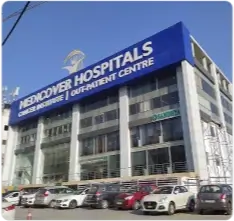
Our Hospitals Near You


Popular Searches
Frequently Asked Questions
Early indicators of Ocular Migraine include visual disturbances like flashing lights, blind spots, or zig-zag lines lasting for about 20 minutes to an hour. Seek prompt medical evaluation if experiencing these symptoms.
To manage Ocular Migraine progression, patients should prioritize stress management, stay hydrated, maintain a healthy diet, get regular exercise, ensure proper sleep, and consult with an eye specialist for personalized care.
Specialists often encounter conditions like visual disturbances, light sensitivity, and temporary vision loss when treating Ocular Migraine. These symptoms can be distressing but are typically short-lived and not associated with headache pain.
Standard treatment options for Ocular Migraine include rest, avoiding triggers like stress or certain foods, managing underlying conditions, and using medications prescribed by a healthcare provider to alleviate symptoms.


Feeling unwell?
Request a callback!
