 040 68334455
 WhatsApp
 Patient Portal
 Home Care
Best Lymphangioleiomyomatosis Doctors in India

Dr Allena Prem Kumar

Dr Gangadhar Reddy Mallu

Dr A Raghukanth

Dr Manjunath B G

Dr Monisha Silla

Dr Satya Padmaja Mantha

Dr Sudheer Tale

Dr V Raja Manohar Acharyulu

Dr C A Umesh Varma

Dr Shahid Patel

Dr Meghana Subhash

Dr K Ravi Teja

Dr Suvarna lakshmi Kalli

Dr Yannawar Anand Namdevrao

Dr Bhima Shankar

Dr Ravindra Chari M

Dr Katamreddy Kowshik Reddy

Dr Nanda Kishore K S

Dr K Vinod Achari

Dr Y Prashanth

Dr Ashish Gade

Dr Abhijan Manikya Prabhu S

Dr Goli Manikya Venkata Kasiram

Dr Yasaswini Ganjam

Dr Veluvarthi Vijay

Dr Swapnil Sanjay Kakad

Dr Tanay Sinha

Dr Sravani Reddy Munagala

Dr Chaitanya Kappagantu

Dr Alla Bhagyaraj
Importance of Lymphangioleiomyomatosis Specialist in Treatment
Lymphangioleiomyomatosis (LAM) is a rare lung disease affecting women, leading to cyst formation and breathing difficulties. Early diagnosis and treatment with medications or lung transplantation can improve survival.
Why to Choose Lymphangioleiomyomatosis Specialists at Medicover Hospitals in India
Pulmonologists at Medicover Hospital offer specialized care for LAM, including medications to manage symptoms and, in severe cases, referral for lung transplantation.

Why Choose Our Doctors?
- Our doctors are experts in their fields and have years of experience.
- We provide top-tier medical infrastructure and technology.
- Easy booking options for both virtual and in-person consultations.
- Insurance & Cashless Payment Support
- Emergency & 24/7 Care
- Compassionate & Patient-Centered Approach
- Multi-Disciplinary Expertise (Collaboration between specialists ensures comprehensive treatment plans).
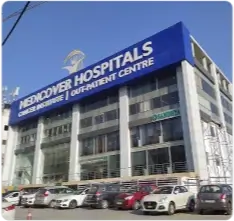
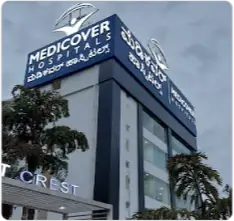
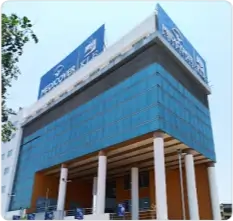
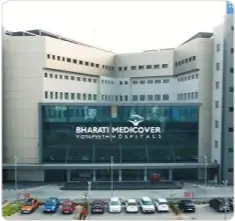
Our Hospitals Near You
Popular Searches
Frequently Asked Questions
Early signs of Lymphangioleiomyomatosis may include shortness of breath, coughing, chest pain, and fatigue. Early diagnosis and treatment are crucial for managing this rare lung disease effectively.
Please consult our healthcare provider for more information on Lymphangioleiomyomatosis.
Doctors managing Lymphangioleiomyomatosis typically treat related conditions such as lung cysts, pneumothorax, lymphatic system abnormalities, and respiratory complications. Treatment aims to address these issues comprehensively.
Specialists typically manage Lymphangioleiomyomatosis with a multidisciplinary approach involving medications to ease symptoms, lung function tests for monitoring, and possibly lung transplantation in severe cases.


Feeling unwell?
Request a callback!
