 040 68334455
 WhatsApp
 Patient Portal
 Home Care
Experienced Locked-In Syndrome Doctors in India

Dr K. Satya Rao

Dr Venkateswarlu Kolichana

Dr Suresh Tatineni

Dr Hari Radhakrishna

Dr C Udaya Shankar

Dr Dudekula Balakhaseem

Dr Pawan Ojha

Dr M Naga Suresh

Dr Vinay Bhushanam Talla

Dr Nishu Ojha

Dr K Suresh

Dr Silpa Kesireddy

Dr Priyanka D

Dr P Deekshanti Narayan

Dr Vikas Agrawal

Dr Kaminwar Sanjaykumar Venkatesh

Dr Rajesh Kumar Songa

Dr Sibasankar Dalai

Dr Sasidhar Pamulapati

Dr Reddi Sudheer Naidu

Dr M A Mukheem Mudabbir

Dr Jaypal Ramdhan Ghunawat

Dr Pavan Kumar Rudrabhatla

Dr Sridhar Balaga

Dr Vikram Kishore Reddy P

Dr Surbhi Chaturvedi

Dr Srinivas Rao Dusa

Dr Y Raghu Nandini

Dr Annapureddy Jagadish

Dr Suranjana Basak

Dr Pratik Pravin Babel

Dr Anirudh Rao Deshmukh

Dr Shrikant Deshmukh

Dr Kunal Babasaheb Jadhav

Dr Rashmi Devaraj

Dr Sudheer Penchala Puttiboyina

Dr Vishal Sawale

Dr Vana Bhaskara Rao

Dr Ch Amulya

Dr Amara Karteek

Dr Prachi Rahul Pawar

Dr Krishna Haskar Dhanyamraju
Importance of Locked-In Syndrome Specialist in Treatment
Locked In Syndrome, a rare neurological condition characterized by complete paralysis of all voluntary muscles except for those controlling eye movements, requires specialized care from disease specialists to ensure optimal treatment outcomes. These healthcare professionals play a crucial role in managing the complex symptoms of Locked In Syndrome and providing tailored support to patients facing the challenges associated with this debilitating condition. By collaborating closely with a multidisciplinary team of experts, including neurologists , physiatrists, speech therapists, and psychologists, disease specialists can offer comprehensive care that addresses the physical, emotional, and cognitive aspects of the condition. Their specialized knowledge and experience enable them to develop personalized treatment plans that focus on improving quality.
Why to Choose Locked-In Syndrome Specialists at Medicover Hospitals in India
Patients facing the challenges of Locked In Syndrome would benefit greatly from choosing Medicover Hospitals for their treatment. At Medicover, a team of highly skilled specialists with extensive experience in managing Locked In Syndrome provide individualized care and cutting-edge treatments to improve patient outcomes. The hospital offers a comprehensive range of therapies, including advanced rehabilitation programs, innovative assistive technologies, and holistic support services tailored to address the unique needs of each patient. Known for its unwavering commitment to patient well-being and comfort, Medicover Hospitals have built a strong reputation for delivering compassionate care and achieving successful outcomes in treating Locked In Syndrome cases.

Why Choose Our Doctors?
- Our doctors are experts in their fields and have years of experience.
- We provide top-tier medical infrastructure and technology.
- Easy booking options for both virtual and in-person consultations.
- Insurance & Cashless Payment Support
- Emergency & 24/7 Care
- Compassionate & Patient-Centered Approach
- Multi-Disciplinary Expertise (Collaboration between specialists ensures comprehensive treatment plans).
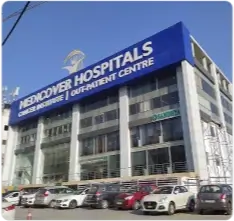
Our Hospitals Near You



Popular Searches
Frequently Asked Questions
Early signs of Locked In Syndrome to watch for include sudden quadriplegia, the inability to speak or move except for eye movements, and preserved consciousness. Seek immediate medical attention if these symptoms arise.
Effective strategies for managing Locked In Syndrome in India include speech therapy, communication devices, physical therapy to maintain muscle strength, and psychological support. Consult healthcare providers for personalized care plans..
Common co-existing conditions with Locked In Syndrome in India include quadriplegia, respiratory complications, and communication difficulties. Seek specialized care for comprehensive management.
Supportive care, including physical therapy, assistive communication devices, and management of underlying causes, is crucial. At Medicover Hospitals, the aim is to enhance quality of life and facilitate communication for patients.


Feeling unwell?
Request a callback!
