 040 68334455
 WhatsApp
 Patient Portal
 Home Care
What is Anaemia and Iron Deficiency Anaemia?
Written by Medicover Team and Medically Reviewed by Dr Lavanya Garapati , Hematologists
Anaemia is a condition where your body doesn't have enough healthy red blood cells(RBCs) or hemoglobin. Hemoglobin is an iron-rich protein in RBCs that helps carry oxygen from your lungs to the rest of your body. When hemoglobin levels are low, your body receives less oxygen, making you feel tired, weak, and breathless.
Iron Deficiency Anaemia is one of the most common types of anaemia, and it happens when the body doesn't have enough iron to make healthy red blood cells. Red blood cells carry oxygen through the body using a protein called hemoglobin, which depends on iron.
This condition can develop slowly over time and may go unnoticed in the early stages. But as iron levels continue to drop, symptoms usually become more noticeable and can start to interfere with daily activities.
What are the Stages of Iron Deficiency Anaemia?
Iron deficiency doesn't happen overnight. It usually develops in three stages, each with different signs:
Stage 1: Decreased Iron Stores
The body's iron levels begin to drop, but there are no symptoms yet. Blood tests may show low ferritin (a marker of stored iron), but hemoglobin levels are still normal. Most people don't notice anything at this stage.
Stage 2: Iron-Deficient Erythropoiesis
The body starts having trouble making healthy red blood cells. Hemoglobin production slows down. You may start feeling mild fatigue or weakness, especially after activity.
Stage 3: Iron Deficiency Anaemia
Hemoglobin drops below normal. Symptoms become more noticeable tiredness, shortness of breath, pale skin, and dizziness. This is when iron-deficiency anaemia is officially diagnosed and needs treatment.
What Causes Iron Deficiency Anaemia?
Iron deficiency anaemia occurs when your body doesn't have enough iron to make healthy red blood cells. There are several reasons why someone might develop an iron deficiency:
- Poor iron intake: Not eating enough iron-rich foods (like meat, leafy greens, or fortified cereals).
- Blood loss: From Heavy menstrual periods, bleeding from the stomach or intestines (due to ulcers, polyps, hemorrhoids, or cancer), Injury, surgery, or childbirth, Frequent blood donations.
- Increased need for iron: During pregnancy or periods of rapid growth (like in children or teens).
- Poor absorption: Conditions like celiac disease, Crohn's disease, or past weight loss surgery can reduce your ability to absorb iron from food
Sometimes, more than one cause may be present, which is why a proper evaluation is so important.
Get a second opinion from trusted experts and makeconfident, informed decisions.
Get Second OpinionWhat are the Common Symptoms to Watch for in Iron Deficiency Anaemia?
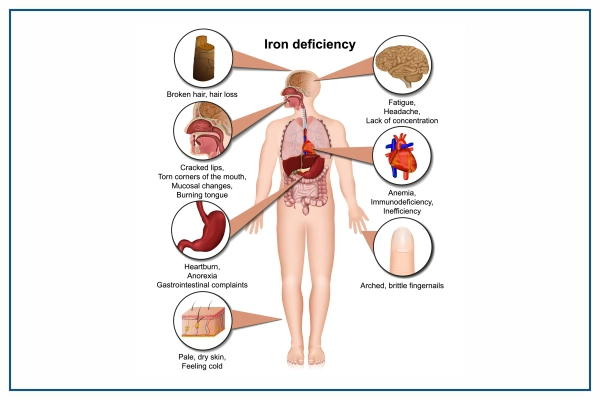
The symptoms can range from mild to more severe depending on how low your iron levels are. Some of the most common signs include:
Common Symptoms
- Constant tiredness or fatigue
- Pale skin
- Shortness of breath
- Dizziness or headaches
- Fast or irregular heartbeat
- Headaches
- Cold hands and feet
- Irritability
- Poor concentration
Less Common Signs
- Craving non-food items (like ice, dirt, or starch), called pica
- Sore or swollen tongue
- Brittle or spoon-shaped nails
- Hair loss
- Muscle cramps
- Restless legs syndrome (uncomfortable feeling in legs while resting)
In children, iron deficiency can also affect growth, learning, and behavior.
How is Iron Deficiency Anaemia Diagnosed?
Iron deficiency anaemia occurs when your body doesn't have enough iron to make healthy red blood cells. If iron deficiency is suspected, your doctor will likely order:
Blood Tests:
- Complete Blood Count (CBC): To check your red blood cell and hemoglobin levels.
- Serum ferritin and iron tests: These help measure how much iron is stored in your body.
- Serum Ferritin: Measures iron storage
Additional Tests
- Stool test for hidden blood
- Endoscopy or colonoscopy (to check for internal bleeding)
- Gynaecological evaluation (in women with heavy periods)
- Urine test for blood loss
Diagnosing the cause is just as important as identifying the deficiency itself, to make sure the right treatment is given.
What are the Treatment Options for Iron Deficiency Anaemia?
The good news is that iron deficiency anaemia is usually treatable, especially when caught early. Treatment may include:
- Iron supplements: Often taken as pills, but sometimes given as injections or IV in more severe cases.
- Diet changes: Eating more iron-rich foods like red meat, lentils, spinach, and fortified cereals.
- Vitamin C: Helps your body absorb iron better, so your doctor may suggest taking it with iron supplements.
- Treating the cause: Whether it's managing heavy periods, treating ulcers, or improving nutrient absorption.
- Iron Infusions or Blood Transfusions: Used in severe cases where oral iron doesn't work or isn't tolerated
Recovery takes time, and regular blood tests are usually needed to track progress.
When to See a Doctor
You should see a doctor if you:
- Feel unusually tired, weak, or out of breath
- Have pale skin or cold extremities
- Experience unusual cravings
- Have heavy or prolonged menstrual bleeding
- Notice blood in your stool or dark-colored stool
Avoid self-diagnosing or taking iron supplements without medical advice. Too much iron can harm your liver and other organs.
Your health is everything - prioritize your well-being today.
 Consult Iron Deficiency Anaemia Doctors Today
Who is at Risk?
You are at a higher risk of iron deficiency anaemia if you:
- Are you pregnant or breastfeeding
- Menstruate heavily
- Follow a vegetarian or vegan diet
- Donate blood often
- Have undergone gastrointestinal or weight loss surgery
- Have digestive conditions (like ulcers, gastritis, or inflammatory bowel disease)
- Is a child or teenager going through a growth spurt
- Were born prematurely or with low birth weight
Self-Care Tips
- Follow your doctor's instructions for iron supplements
- Avoid taking calcium and iron at the same time (calcium reduces iron absorption)
- Avoid tea or coffee with meals (they may reduce iron absorption)
- Take iron with vitamin C or on an empty stomach if tolerated
Prevention: How to Avoid Iron Deficiency
- Eat a balanced diet with enough iron and vitamin C
- Women with heavy periods should consider iron-rich diets or supplements
- During pregnancy, take prenatal vitamins that contain iron
- Limit cow's milk in infants under one year (it can interfere with iron absorption)
- Regular check-ups if you donate blood often
Complications if Left Untreated
If not treated, iron deficiency anaemia can lead to:
- Heart problems (irregular heartbeat or heart failure)
- Pregnancy complications (low birth weight or premature birth)
- Growth and development delays in children
- Weakened immunity and frequent infections
- Mental fog or difficulty concentrating
What are Iron-Rich Foods to Support Recovery?
Eating the right foods plays a big role in treating and preventing iron deficiency. Here are some foods that can help improve iron levels naturally:
- Heme Iron Sources (animal-based, easily absorbed)
- Red meat (like beef and lamb)
- Chicken and turkey
- Liver and organ meats
- Fish and shellfish (like tuna and clams)
- Non-Heme Iron Sources (plant-based)
- Spinach and leafy greens
- Lentils, chickpeas, and beans
- Tofu and soy products
- Fortified cereals and whole grains
- Pumpkin seeds, nuts, and dried fruits like apricots and raisins
Foods That Help Iron Absorption
- Vitamin C-rich foods like oranges, strawberries, tomatoes, and bell peppers
- Drinking a glass of orange juice with your iron-rich meal boosts absorption
Foods to Limit Around Iron-Rich Meals
- Tea or coffee (can block iron absorption)
- Calcium-rich foods or supplements (take them separately if needed)
Dos and Don'ts
Follow the below-mentioned Do's and Don'ts to prevent iron deficiency disease and its complications.
| Do's | Don'ts |
|---|---|
|
Eat iron-rich foods |
Ignore anaemia signs and symptoms |
|
Consume vitamin C-rich foods |
Smoke |
|
Take only prescribed iron supplements |
Take iron with antacids |
|
Regularly exercise |
Consume excess amounts of alcohol |
|
Regular health check-up |
Eat processed and junk foods |
Our Experience in Treating Iron Deficiency Anaemia
At Medicover Hospitals, our expert general physicians and hematologists provide personalized care for iron deficiency anaemia. Our team of experienced doctors, dietitians, and lab experts work together to find the cause of your anaemia and provide a treatment plan that works for you. Whether it's a simple dietary fix or more advanced care, we're here to help you feel better, regain your energy, and improve your overall health.


