 040 68334455
 WhatsApp
 Patient Portal
 Home Care
Best Dyschezia Doctors in India

Dr Venkata Ranga Reddy Valluru

Dr Srinivas Nistala

Dr Sandeep Pitambar Patil

Dr Sandeep C Sabnis

Dr Manchu Chaithanya

Dr Moka Praneeth

Dr Arun Arora Pagadapelli

Dr Rupesh Kalyan

Dr Chetan Rathi

Dr Amol Sarangdhar Shinde

Dr Jogu Kiran Kumar

Dr Manoj Kumar C

Dr Krishnagopal S Bhandari

Dr Reddi Durga Sai Kumar

Dr Sabbu Surya Prakash

Dr Hemanth Chinthala

Dr Burra Siva Kumar

Dr Vikas Pemmada

Dr Soham Doshi

Dr P Abdul Samad

Dr Dipak Ahire

Dr Ajay Shesherao Shinde

Dr Isha Bansal Agarwal

Dr Anirudh Kovvali

Dr Vikram Anil Dharap

Dr Santosh M Narayankar

Dr Raosaheb Taru Rathod

Dr Rahul Ch

Dr Chandragiri Praneeth

Dr Paila Ramesh

Dr Krothapalli Sai Krishna

Dr A Venkateshwar Rao
Importance of Dyschezia Specialist in Treatment
Dyschezia refers to difficulty in defecation, often caused by pelvic floor dysfunction or constipation . Early diagnosis is important to identify the underlying cause and improve bowel function. Treatment includes dietary changes, medications, and physical therapy. Early intervention helps restore regular bowel movements and reduce discomfort.
Why to Choose Dyschezia Specialists at Medicover Hospitals in India
Medicover Hospital provides gastroenterologists and physical therapists who treat dyschezia. Treatments include dietary modifications, medications, and pelvic floor therapy to improve bowel function and relieve discomfort.

Why Choose Our Doctors?
- Our doctors are experts in their fields and have years of experience.
- We provide top-tier medical infrastructure and technology.
- Easy booking options for both virtual and in-person consultations.
- Insurance & Cashless Payment Support
- Emergency & 24/7 Care
- Compassionate & Patient-Centered Approach
- Multi-Disciplinary Expertise (Collaboration between specialists ensures comprehensive treatment plans).
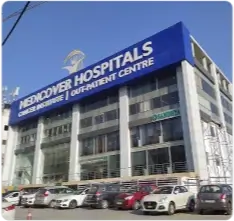
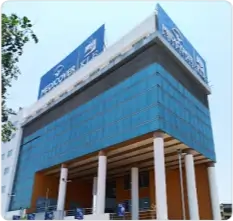
Our Hospitals Near You


Popular Searches
Still have questions? Speak with our experts now!
040-68334455Frequently Asked Questions
Early indicators of Dyschezia include difficulty passing stool, straining during bowel movements, and feeling incomplete evacuation. Consult a healthcare provider if experiencing these symptoms for proper diagnosis and treatment options.
To manage Dyschezia and control its progression, patients should focus on a high-fiber diet, adequate hydration, regular exercise, and timely bowel movements. Consult a healthcare provider for personalized treatment options.
Common co-existing conditions with Dyschezia include hemorrhoids, constipation, irritable bowel syndrome (IBS), inflammatory bowel disease (IBD), and pelvic floor disorde Rs. Seek medical evaluation for proper diagnosis and management.
Standard treatment options for Dyschezia typically include dietary modifications, increased fiber intake, hydration, regular exercise, and in some cases, medication to alleviate symptoms. Consult a healthcare provider for personalized care.


Feeling unwell?
Request a callback!
