 040 68334455
 WhatsApp
 Patient Portal
 Home Care
Diverticulosis: Causes, Symptoms and Treatments
Diverticula is a condition when tiny, bulging pouches form in the lining of the digestive system. They are discovered in the lower area of the large intestine (colon). The chances of getting diverticula are frequent after the age of 40 but they rarely cause difficulties.
Diverticulosis is the presence of diverticula. It is a disorder that occurs when one or more of the pouches become inflamed and infected. It can result in severe stomach pain, a fever, nausea, and a significant change in bowel patterns. Let us discuss what are the symptoms, causes, risk factors, diagnosis and treatment for Diverticulosis in detail.
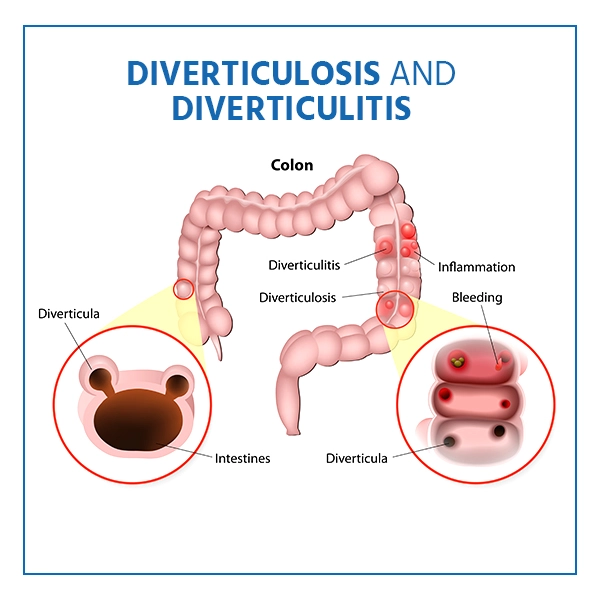
Types of Diverticulosis
- Right-Sided Diverticulosis: Common in Asian populations, diverticula form mainly on the right side of the colon.
- Left-Sided Diverticulosis: More common in Western countries, with diverticula primarily affecting the left side of the colon, particularly the sigmoid colon.
- Symptomatic Diverticulosis: When diverticula cause symptoms like bloating, abdominal pain, or changes in bowel habits but without inflammation (diverticulitis).
- Asymptomatic Diverticulosis: In most cases, diverticula exists without causing any noticeable symptoms.
Get a second opinion from trusted experts and makeconfident, informed decisions.
Get Second OpinionSymptoms of Diverticulosis
The signs and symptoms of diverticulitis are as follows:
- Pain in the side and back, below the ribcage, is severe and intense
- Pain in the lower abdomen and groyne that radiates
- Urinating causes pain or a burning sensation.
Other signs and symptoms may include:
- Pain in the lower left side of the abdomen
- Nausea
- Vomiting
- Fever
- Abdominal pain
- Constipation
- Diarrhea
Causes of Diverticulosis
- Weak Colon Walls: Diverticula form when naturally weak areas of the colon give way under strain.
- Increased Pressure: High pressure inside the colon can cause the formation of small pockets (diverticula) in the colon wall.
- Low-Fiber Diet: A diet low in fiber leads to constipation and increased pressure in the colon, which can contribute to diverticulosis.
- Aging: The risk increases with age as the colon wall weakens over time.
- Genetics: Family history and genetic factors may play a role in the development of diverticulosis.
Risk Factors of Diverticulosis
The following factors may increase the risk of developing diverticulitis:
- The risk of this increases with age, it can occur after 40 mostly.
- Being overweight increases the chances of getting diverticulitis.
- People who smoke cigarettes very often are more likely to get diverticulitis.
- Lack of physical activity and inactiveness will increase the risk.
- A diet that has low fibre and a high intake of animal fat might increase the risk.
- Some medications such as steroids, opioids and nonsteroidal anti-inflammatory drugs might cause this.
Diagnosis of Diverticulosis
Acute diverticulitis is frequently detected during a flare-up. Abdominal discomfort can be a sign of a variety of issues, your doctor will need to rule out other possibilities. Your doctor will begin by performing a physical examination, which will include a check for soreness in your abdomen. A pelvic examination is usually performed on women to rule out pelvic illness. Following are some tests the doctor will prescribe:
- Tests of the blood and urine to look for evidence of infection.
- A pregnancy test is used to rule out pregnancy as a cause of abdominal pain in women of childbearing age.
- To rule out liver-related causes of stomach pain, a liver enzyme test is performed.
- In those who experience diarrhea, a stool test is used to rule out infection.
Your health is everything - prioritize your well-being today.
 Schedule Your Appointment
Treatment for Diverticulosis
- High-Fiber Diet: Increasing dietary fiber helps reduce pressure in the colon and prevent diverticula formation.
- Fiber Supplements: Products like psyllium husk or methylcellulose are often recommended if dietary fiber is insufficient.
- Hydration: Drinking plenty of water helps prevent constipation and reduces strain on the colon.
- Probiotics: These may improve gut health and help manage symptoms like bloating or irregular bowel movements.
- Pain Relievers: Mild pain can be managed with over-the-counter medications like acetaminophen (avoid NSAIDs).
- Treatment of Complications: If diverticulosis progresses to diverticulitis, antibiotics or surgery may be necessary for infections or severe cases.
Difference Between Diverticulosis Vs Diverticulitis
Diverticulosis and diverticulitis are related conditions but differ significantly. Diverticulosis refers to the formation of small pouches (diverticula) in the colon wall, often without symptoms. It is generally harmless and managed with a high-fiber diet, hydration, and probiotics.
In contrast, diverticulitis occurs when these pouches become inflamed or infected, leading to symptoms like abdominal pain, fever, nausea, and changes in bowel habits. While diverticulosis is usually benign, diverticulitis can be severe and may result in complications such as abscesses or perforation. Treatment for diverticulitis includes antibiotics, pain relief, and, in severe cases, surgery.
Frequently Asked Questions
How does diverticulosis affect waste removal?
Diverticulosis causes small pouches to form in the walls of the colon. Sometimes, waste material can get trapped in these pouches, leading to discomfort or inflammation.
Is diverticulosis a serious condition?
Diverticulosis itself is usually harmless, but complications like diverticulitis can arise if the pouches become infected or inflamed, potentially leading to more severe issues.
Can diverticulosis be prevented?
A high-fiber diet, maintaining a healthy weight, staying hydrated, and regular exercise can help prevent diverticulosis. These lifestyle choices promote healthy bowel movements and reduce the risk of developing pouches in the colon.
What are the Complications of diverticulosis?
Diverticulosis can lead to complications like diverticulitis (inflammation of diverticula), bleeding, abscesses, perforation, peritonitis, and fistulas. These can require medical intervention, including surgery in severe cases.
What are the Home remedies for diverticulosis?
To manage diverticulosis, increase fiber intake, drink plenty of water, exercise regularly, avoid straining during bowel movements, and manage stress. Consult a healthcare provider before starting any home remedies.
What happens if diverticulosis goes untreated?
If untreated, diverticulosis can lead to diverticulitis, bleeding, infection, and perforation. These complications may require hospitalization or surgery and can be life-threatening if not managed promptly.
What is the life expectancy of diverticulosis?
Diverticulosis itself typically does not affect life expectancy. However, complications like diverticulitis can lead to serious health risks. Timely treatment and lifestyle changes can help manage the condition effectively.


Feeling unwell?
Request a callback!
