 040 68334455
 WhatsApp
 Patient Portal
 Home Care
Best Dejerine Sottas Disease Doctors in India

Dr K. Satya Rao

Dr Venkateswarlu Kolichana

Dr Suresh Tatineni

Dr Hari Radhakrishna

Dr C Udaya Shankar

Dr Dudekula Balakhaseem

Dr Pawan Ojha

Dr M Naga Suresh

Dr Srinivas Rao Dusa

Dr Vinay Bhushanam Talla
Dr Nishu Ojha

Dr K Suresh

Dr Silpa Kesireddy
Dr Priyanka D

Dr P Deekshanti Narayan

Dr Vikas Agrawal

Dr Kaminwar Sanjaykumar Venkatesh

Dr Rajesh Kumar Songa

Dr Sibasankar Dalai

Dr Sasidhar Pamulapati

Dr Reddi Sudheer Naidu

Dr M A Mukheem Mudabbir

Dr Jaypal Ramdhan Ghunawat

Dr Pavan Kumar Rudrabhatla

Dr Sridhar Balaga

Dr Vikram Kishore Reddy P

Dr Surbhi Chaturvedi
Dr Y Raghu Nandini

Dr Annapureddy Jagadish

Dr Suranjana Basak
Dr Pratik Pravin Babel

Dr Anirudh Rao Deshmukh

Dr Shrikant Deshmukh

Dr Kunal Babasaheb Jadhav

Dr Rashmi Devaraj

Dr Sudheer Penchala Puttiboyina

Dr Vishal Sawale

Dr Vana Bhaskara Rao

Dr Ch Amulya

Dr Amara Karteek

Dr Prachi Rahul Pawar

Dr Krishna Haskar Dhanyamraju
Importance of Dejerine Sottas Disease Specialist in Treatment
Dejerine Sottas Disease is a rare genetic disorder that affects the peripheral nerves, leading to muscle weakness , sensory loss, and difficulties with coordination. Early intervention is crucial as the symptoms can progress rapidly, impacting a patient's ability to walk, move, and perform daily tasks. At Medicover in India, specialists provide personalized care for individuals with Dejerine Sottas Disease, focusing on evidence-based treatments to manage symptoms and improve quality of life. Through a multidisciplinary approach involving neurologists, physical therapists, and other healthcare professionals, Medicover enhances recovery by tailoring treatment plans to each patient's unique needs. By addressing the underlying causes of the disease and providing comprehensive support, Medicover helps patients with Dejerine Sottas Disease regain function and maintain independence in their daily lives.
Why to Choose Dejerine Sottas Disease Specialists at Medicover Hospitals in India
Patients with Dejerine Sottas Disease can trust Medicover Hospitals in India for specialized care and advanced treatment options. Medicover has a proven track record of successfully treating Dejerine Sottas Disease and improving patient outcomes. The hospital excels in tailoring treatment plans specifically for individuals with this rare neurological disorder, providing personalized care that addresses the unique needs of each patient. With a team of experienced specialists and cutting-edge technology, Medicover ensures that patients receive the highest quality of care and the best possible outcomes in managing Dejerine Sottas Disease. Choose Medicover Hospitals in India for expert care and tailored treatment plans to effectively manage Dejerine Sottas Disease.

Why Choose Our Doctors?
- Our doctors are experts in their fields and have years of experience.
- We provide top-tier medical infrastructure and technology.
- Easy booking options for both virtual and in-person consultations.
- Insurance & Cashless Payment Support
- Emergency & 24/7 Care
- Compassionate & Patient-Centered Approach
- Multi-Disciplinary Expertise (Collaboration between specialists ensures comprehensive treatment plans).
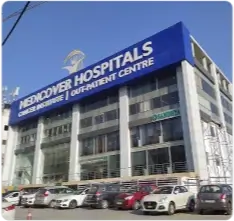
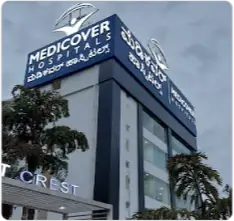
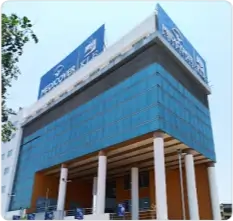
Our Hospitals Near You

Popular Searches
Still have questions? Speak with our experts now!
040-68334455Frequently Asked Questions
Common initial symptoms of Dejerine Sottas Disease include muscle weakness, difficulty walking, foot deformities, and loss of sensation in the limbs. Early diagnosis and treatment are crucial for managing this rare genetic disorder.
To control Dejerine Sottas Disease, treatment focuses on managing symptoms with physical therapy, orthopedic devices, pain management, and regular monitoring by healthcare professionals.
Dejerine Sottas Disease is commonly associated with related conditions such as Charcot-Marie-Tooth disease and hereditary neuropathies. Early diagnosis and treatment are crucial for managing symptoms and improving quality of life.
Dejerine Sottas Disease is typically managed with physical therapy, orthopedic appliances, and pain management. In severe cases, surgery may be needed to relieve nerve compression. Early diagnosis and intervention are crucial for better outcomes.


Feeling unwell?
Request a callback!
