 040 68334455
 WhatsApp
 Patient Portal
 Home Care
Best Claudication Doctors in India

Dr Gnaneswar Atturu

Dr Sandeep Botcha

Dr Sibasankar Dalai

Dr Ajay B Mosur

Dr S S Amarendra Babu

Dr Dattatreya C V N M

Dr Gnanendra Reddy Yeddula

Dr N Srikantiya Indira

Dr Sudharsan Reddy Yalamuru
Importance of Claudication Specialist in Treatment
Claudication is pain or cramping in the legs due to inadequate blood flow, usually caused by peripheral artery disease (PAD). Early diagnosis is crucial to prevent worsening vascular issues. Treatment includes lifestyle changes, medications, and, in some cases, surgery. Early intervention improves circulation and reduces pain.
Why to Choose Claudication Specialists at Medicover Hospitals in India
Medicover Hospital provides vascular specialists and cardiologists for managing claudication. Treatments include medications, exercise programs, and vascular surgery to improve blood flow and reduce leg pain .

Why Choose Our Doctors?
- Our doctors are experts in their fields and have years of experience.
- We provide top-tier medical infrastructure and technology.
- Easy booking options for both virtual and in-person consultations.
- Insurance & Cashless Payment Support
- Emergency & 24/7 Care
- Compassionate & Patient-Centered Approach
- Multi-Disciplinary Expertise (Collaboration between specialists ensures comprehensive treatment plans).
Our Hospitals Near You
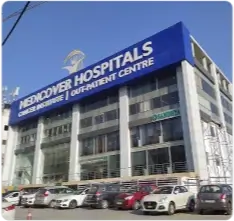

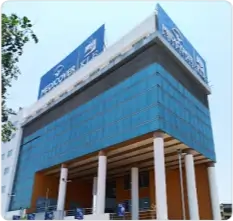

Still have questions? Speak with our experts now!
040-68334455Frequently Asked Questions
Early indicators of Claudication include leg pain, cramping, weakness, or numbness during exercise. This is due to reduced blood flow caused by narrowed arteries. Early diagnosis and treatment are crucial in managing Claudication effectively.
To manage Claudication effectively, patients can implement strategies like regular exercise, smoking cessation, healthy diet, medication adherence, and monitoring symptoms. Consulting a healthcare provider for personalized treatment is crucial.
Specialists treating Claudication often encounter underlying conditions such as peripheral artery disease (PAD), atherosclerosis, diabetes, and hypertension. These conditions require specialized care to manage symptoms effectively.
Specialists typically treat Claudication with a combination of lifestyle changes, medications to manage symptoms and underlying conditions, supervised exercise programs, and in severe cases, surgical interventions to improve blood flow.


Feeling unwell?
Request a callback!
