 Call
Call Patient Reports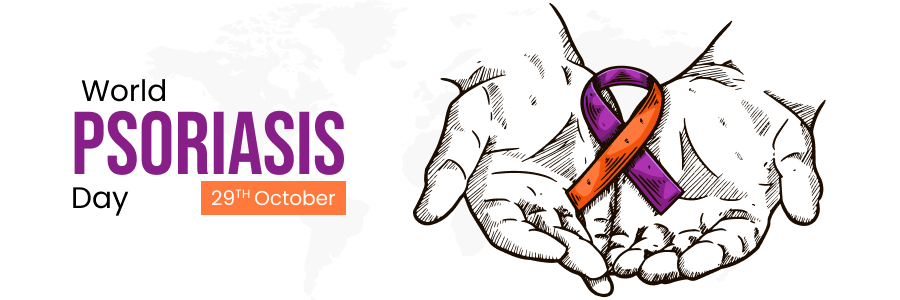
- 3759
- 3.5 Minute
World Psoriasis Day: Introduction
A significant global health awareness campaign, World Psoriasis Day aims to raise public awareness of psoriasis, support those who suffer from this autoimmune skin condition, and increase knowledge of the psychological and physical effects of the condition. Unlike other skin conditions, psoriasis is a chronic inflammatory condition that affects not only the skin but also a person’s confidence, lifestyle, and social well-being. This day encourages open dialogue, early diagnosis, and compassionate care for those affected.
What is Psoriasis?
Psoriasis is a chronic autoimmune skin condition in which the immune system mistakenly accelerates the growth cycle of skin cells. As a result, thick, scaly patches called plaques develop on different parts of the body, most commonly the elbows, knees, scalp, and lower back. These patches may be itchy, painful, or flaky, depending on severity.
While anyone can develop psoriasis at any age, it typically occurs in cycles, periods of flare-ups followed by intervals of improvement. Since no single cause has been identified, experts suggest it often results from a combination of genetic, immune, and environmental factors.
Why World Psoriasis Day Matters
Psoriasis is much more than "just a skin problem," as many people believe. Campaigns for awareness aid in educating society about:
- It is not possible to spread psoriasis.
- It may have an impact on daily activities, confidence, and mental health.
- Flare-ups can be considerably decreased with early intervention and ongoing care.
- Social isolation and stigma are lessened by education.
World Psoriasis Day focuses on the value of compassionate discussions, supportive care, and easier access to available treatments.
Get a second opinion from trusted experts and makeconfident, informed decisions.
Get Second OpinionNot sure where to start?
Talk to a patient care advisor — free, confidential, 24/7. We'll match you to the right specialist and book your appointment in minutes.
Common Symptoms of Psoriasis
Early detection enables people to seek assistance sooner. Typical signs and symptoms include:
- Red, inflamed patches of thickened skin
- Silvery or white scales on the surface
- Itching or burning sensation
- Cracked, dry skin that can bleed
- Nail changes (pitting or discolouration)
- Discomfort during flare-ups
Some people may also develop psoriatic arthritis, which can cause joint pain and stiffness.
What Triggers Psoriasis Flare-Ups?
Psoriasis does not have a single cause; instead, different triggers can worsen symptoms. These may include:
- Emotional stress
- Skin injuries or infections
- Specific climate changes (cold or dry weather)
- Smoking or alcohol
- Hormonal fluctuations
- Some medications
Tracking triggers and managing lifestyle factors can help reduce episodes over time.
Types of Psoriasis
Psoriasis appears in various forms. The most common include:
| Type | Description |
|---|---|
| Plaque psoriasis | Thick, raised patches covered by silvery scales |
| Guttate psoriasis | Small drop-shaped lesions, often after an infection |
| Scalp psoriasis | Affecting the scalp, causing intense itching |
| Inverse psoriasis | Appears in skin folds like underarms or groin |
| Pustular psoriasis | Painful, pus-filled bumps on inflamed skin |
| Erythrodermic psoriasis | A rare, severe form requiring urgent care |
Understanding these types helps with correct diagnosis and treatment planning.
Managing Psoriasis: Treatment Options
There is no permanent cure yet, but psoriasis can be effectively managed. Standard treatment approaches include:
- Topical Therapy Itching and scaling are lessened with the use of moisturizers, medicated creams, and ointments.
- Light / Phototherapy Controlled exposure to ultraviolet light slows the rapid growth of skin cells.
- Systemic Medications For moderate to severe cases, oral or injectable medicines may be prescribed to control the immune response.
- Lifestyle Management Over time, flare-ups can be decreased with gentle skincare, stress reduction, and healthy routines.
An adapted therapy based on severity and triggers is ensured when working with a dermatologist.
Emotional and Social Impact
Managing skin symptoms is only one aspect of having psoriasis. When patches are visible, many people also experience emotional difficulties like anxiety, embarrassment, or low self-esteem. Counseling, awareness campaigns, and support groups are important in creating a more sympathetic atmosphere for individuals impacted.
World Psoriasis Day serves as a reminder that compassion and understanding are just as vital as medical attention.
How This Awareness Day Helps the Community
This day encourages:
- Early recognition
- Breaking myths and stigma
- Encouraging medical consultations
- Self-care and lifestyle education
- Emotional support for patients
- Public understanding and social inclusion
How Individuals Can Participate
You don’t need to be a medical expert to show support. Simple acts can create meaningful change:
- Share educational posts on social media
- Encourage open conversations about skin health
- Support friends or family living with psoriasis
- Promote gentle skincare and stress-free habits
- Participate in awareness events or online campaigns
Even small gestures help strengthen the message of acceptance and awareness.
Your health is everything - prioritize your well-being today.
Schedule Your AppointmentConclusion
We are reminded on World Psoriasis Day that psoriasis is more than just an obvious skin ailment. It is a chronic autoimmune disease that has a significant impact on emotional health, self-esteem, and quality of life. People who are aware of psoriasis are better able to comprehend its true nature, the importance of prompt treatment, and the impact empathy can have. People with psoriasis can control their symptoms, lessen flare-ups, and lead satisfying lives with the right treatment plan, healthy lifestyle choices, and social support.
Frequently Asked Questions
Treatment options include topical creams, phototherapy, oral medications, and biologic injections, depending on severity.
Moisturizing regularly, avoiding harsh soaps, reducing stress, staying hydrated, and following a dermatologist’s advice can help manage symptoms.
Yes. The most common types include plaque psoriasis, scalp psoriasis, guttate psoriasis, inverse psoriasis, pustular psoriasis, and erythrodermic psoriasis.
Psoriasis is caused by an overactive immune system that speeds up skin cell growth. Genetics, immunity, and environmental triggers all play a role.
- Cardiology
- Case Studies
- Dermatology
- Endocrinology
- ENT
- Fertility
- Gastroenterology
- General
- General-Medicine
- Gynecology
- Hematology
- Infectious-Diseases
- Medical News
- Neurology
- Oncology
- Ophthalmology
- Orthopedics
- Pediatrics
- Procedure
- Public-Health
- Pulmonology
- Radiology
- Second Opinion
- Urology
- Wellness
- Woman-and-child
Related Blogs
Still have questions? Speak with our experts now!
040-68334455


