 Call
Call Patient Reports
- Cardiology 84
- Dermatology 45
- Endocrinology 33
- ENT 16
- Fertility 190
- Gastroenterology 78
- General-Medicine 81
- Gynecology 80
- Hematology 19
- Infectious-Diseases 33
- Neurology 52
- Oncology 34
- Ophthalmology 23
- Orthopedics 69
- Pediatrics 31
- Procedure 23
- Public-Health 144
- Pulmonology 59
- Radiology 8
- Urology 68
- Wellness 161
- Woman-and-child 77
- 3759
- 3.5 Minute
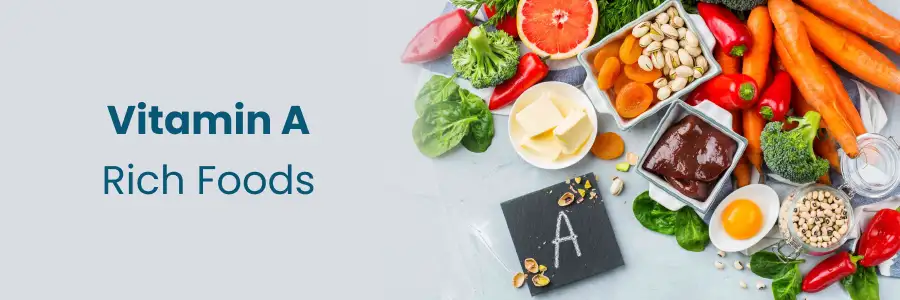
Vitamin A Rich Foods
Vitamin A is an essential nutrient that plays a critical role in maintaining healthy vision, promoting immune function, and supporting cell growth. Understanding the best sources of Vitamin A and incorporating them into your diet can have substantial health benefits. This article delves into the top Vitamin A-rich foods, highlighting their importance and how they contribute to overall well-being.
Get a second opinion from trusted experts and makeconfident, informed decisions.
Get Second OpinionNot sure where to start?
Talk to a patient care advisor — free, confidential, 24/7. We'll match you to the right specialist and book your appointment in minutes.
The Importance of Vitamin A
Vitamin A is a fat-soluble vitamin that is vital for various bodily functions. It exists in two primary forms: preformed Vitamin A (retinoids) and provitamin A (carotenoids). Retinoids are found in animal-based foods and are readily used by the body, while carotenoids are found in plant-based foods and need to be converted into retinoids before the body can use them.
Vitamin A and Eye Health
Vitamin A is crucial for maintaining good vision. It is a component of rhodopsin, a protein in the eyes that allows you to see in low light conditions. Deficiency in Vitamin A can lead to night blindness and other vision problems. Additionally, Vitamin A helps maintain the health of the cornea and conjunctiva, the tissues in the eye.
Immune Function and Cellular Health
Vitamin A supports the immune system by maintaining the integrity of mucosal surfaces in the eyes, respiratory system, and gut, which act as barriers to infection. It also plays a role in the production and function of white blood cells, which help capture and clear pathogens from the bloodstream.
Best Foods for Vitamin A
Incorporating a variety of Vitamin A-rich foods into your diet can ensure you meet your daily requirements. Here is a comprehensive list of the best sources of Vitamin A.
Animal-Based Sources of Vitamin A
- Liver: Liver is the most concentrated source of preformed Vitamin A. A single serving of beef liver can provide more than 700% of the daily recommended intake.
- Fish: Oily fish such as salmon and mackerel are excellent sources of Vitamin A.
- Dairy Products: Milk, cheese, and yogurt are good sources of Vitamin A, especially when fortified.
- Eggs: Eggs, particularly the yolks, are a valuable source of Vitamin A.
Plant-Based Sources of Vitamin A
Plant-based foods are rich in carotenoids, which the body converts to Vitamin A. Here are some of the best vegetable and fruit sources.
Vegetables Rich in Vitamin A
- Carrots: Carrots are well known for their high beta-carotene content, which the body converts to Vitamin A.
- Sweet Potatoes: One of the richest vegetable sources, sweet potatoes provide a significant amount of beta-carotene.
- Spinach: This leafy green is not only high in Vitamin A but also packed with other essential nutrients.
- Kale: Another leafy green that is rich in beta-carotene and other vital nutrients.
- Pumpkin: Pumpkin is an excellent source of beta-carotene and makes a great addition to your diet.
Fruits High in Vitamin A
- Mangoes: Mangoes are not just delicious; they are also a good source of beta-carotene.
- Cantaloupe: This melon is rich in beta-carotene and makes for a refreshing, nutritious snack.
- Apricots: Both fresh and dried apricots are high in beta-carotene.
- Papaya: This tropical fruit is another excellent source of beta-carotene.
Incorporating Vitamin A-Rich Foods Into Your Diet
Incorporating these foods into your diet can be both simple and delicious. Here are some tips and recipes to help you boost your Vitamin A intake.
Breakfast Ideas
- Scrambled Eggs with Spinach: Add fresh spinach to your morning scrambled eggs for a nutritious start to your day.
- Mango Smoothie: Blend mangoes with Greek yogurt and a splash of orange juice for a refreshing smoothie.
Lunch and Dinner Options
- Sweet Potato Soup: A creamy sweet potato soup can be a comforting and nutrient-dense meal.
- Grilled Salmon with Kale Salad: Pair grilled salmon with a fresh kale salad for a balanced dinner rich in Vitamin A.
Snacks and Desserts
- Carrot Sticks with Hummus: Carrot sticks make a great snack, especially when paired with hummus.
- Papaya Sorbet: For a sweet treat, try a homemade papaya sorbet.
Potential Risks and Considerations
While Vitamin A is essential for health, it is possible to consume too much, especially from animal-based sources. Excessive intake of preformed Vitamin A can lead to toxicity, with symptoms such as dizziness, nausea, and even more severe health issues. It's crucial to balance your intake and consider consulting a healthcare professional if you plan to take Vitamin A supplements.
Recommended Dietary Allowances (RDA)
The RDA for Vitamin A varies by age, sex, and life stage. For adult men, the RDA is 900 micrograms (mcg) per day, while for adult women, it is 700 mcg per day. Pregnant and lactating women have higher requirements.
Your health is everything - prioritize your well-being today.
Schedule Your AppointmentConclusion
Vitamin A is a vital nutrient that supports various aspects of health, from vision and immune function to cellular growth. Incorporating a diverse array of Vitamin A rich foods, including both animal and plant-based sources, can help you meet your nutritional needs and promote overall well-being. By understanding the importance of Vitamin A and making informed dietary choices, you can enjoy the myriad benefits this essential vitamin has to offer.
Frequently Asked Questions
Foods rich in vitamin A include liver, carrots, sweet potatoes, spinach, kale, and butternut squash.
Liver, especially beef liver, is one of the richest sources of vitamin A, providing a substantial amount per serving.
Carrots are high in beta-carotene, which the body converts into vitamin A. They are a good plant-based source of the vitamin.
Spinach and kale are rich in beta-carotene and other carotenoids that the body converts into vitamin A. They also offer additional nutrients and fiber.
Sweet potatoes are an excellent source of beta-carotene and are also high in fiber and other vitamins. They are a versatile and nutritious choice.
- Cardiology
- Case Studies
- Dermatology
- Endocrinology
- ENT
- Fertility
- Gastroenterology
- General
- General-Medicine
- Gynecology
- Hematology
- Infectious-Diseases
- Medical News
- Neurology
- Oncology
- Ophthalmology
- Orthopedics
- Pediatrics
- Procedure
- Public-Health
- Pulmonology
- Radiology
- Second Opinion
- Urology
- Wellness
- Woman-and-child
Related Blogs
Still have questions? Speak with our experts now!
040-68334455


