 Call
Call Patient Reports
- Cardiology 84
- Dermatology 45
- Endocrinology 33
- ENT 16
- Fertility 190
- Gastroenterology 78
- General-Medicine 81
- Gynecology 80
- Hematology 19
- Infectious-Diseases 33
- Neurology 52
- Oncology 34
- Ophthalmology 23
- Orthopedics 69
- Pediatrics 31
- Procedure 23
- Public-Health 144
- Pulmonology 59
- Radiology 8
- Urology 68
- Wellness 161
- Woman-and-child 77
- 3759
- 3.5 Minute
Understanding Vagus Nerve Function
The vagus nerve is one of the most important and fascinating parts of the human body. It plays a crucial role in various bodily functions, from controlling heart rate to aiding digestion. In this article, we'll explore the many functions of the vagus nerve and understand why it's so vital for our health.
What Is the Vagus Nerve?
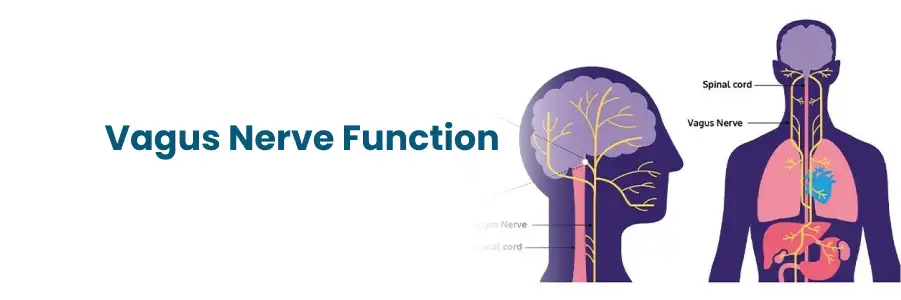
The vagus nerve is the longest cranial nerve in the body, stretching from the brainstem to the abdomen. It has a wide range of responsibilities, connecting the brain to several organs, including the heart, lungs, and digestive tract.
Vagus Nerve and Heart Rate
One of the key functions of the vagus nerve is controlling heart rate. It helps regulate the heartbeat by sending signals to the heart to slow down or speed up. This process is known as vagal tone.
How It Works
The vagus nerve sends electrical impulses to the heart, which can either stimulate or relax the heart muscles. This helps maintain a balanced and steady heart rate, which is crucial for overall cardiovascular health.
Why It Matters
A healthy vagal tone is associated with a lower risk of heart disease and better stress management. Practicing deep breathing exercises or meditation can help improve vagal tone and support heart health.
Get a second opinion from trusted experts and makeconfident, informed decisions.
Get Second OpinionNot sure where to start?
Talk to a patient care advisor — free, confidential, 24/7. We'll match you to the right specialist and book your appointment in minutes.
Vagus Nerve and the Digestive System
The vagus nerve also plays a significant role in the digestive system. It helps control the muscles involved in swallowing and moves food through the digestive tract.
Digestive Effects
When you eat, the vagus nerve sends signals to your stomach to produce stomach acid and digestive enzymes. It also helps regulate the movement of food through the intestines, ensuring proper digestion and nutrient absorption.
Common Issues
Problems with the vagus nerve can lead to digestive issues such as gastroparesis, where the stomach empties too slowly. Symptoms include nausea, vomiting, and bloating. Keeping the vagus nerve healthy can help prevent these issues.
Vagus Nerve and Respiratory Control
Breathing is another critical function influenced by the vagus nerve. It helps regulate the muscles involved in breathing and ensures that your lungs function properly.
Breathing Regulation
The vagus nerve sends signals to the diaphragm and other respiratory muscles to control the rate and depth of breathing. This regulation is essential for maintaining proper oxygen levels in the blood.
Impact on Health
Proper respiratory control can help reduce the risk of respiratory diseases and improve overall lung function. Practices like deep breathing exercises can enhance vagal tone and support respiratory health.
Vagus Nerve and Immune Response
The vagus nerve also has a role in the immune system. It helps regulate inflammation and immune responses in the body.
Inflammation Control
When the body detects an infection or injury, the vagus nerve helps control the inflammatory response. It sends signals to reduce inflammation and promote healing, which is crucial for preventing chronic diseases.
Immune Function
A healthy vagus nerve supports a balanced immune response, helping the body fight off infections more effectively. This can be particularly important for people with autoimmune conditions or chronic illnesses.
Vagus Nerve and Mood
The vagus nerve is closely linked to mood regulation and mental health. It helps control the production of neurotransmitters that affect mood, such as serotonin and dopamine.
Mood Regulation
By influencing the production of these neurotransmitters, the vagus nerve can help regulate mood and reduce symptoms of anxiety and depression. Practices like mindfulness and meditation can improve vagal tone and support mental health.
Mental Health Benefits
A healthy vagus nerve can lead to better stress management, improved mood, and overall mental well-being. This makes it an important focus for those looking to support their mental health naturally.
How to Support Vagus Nerve Function
There are several ways to support the health and function of the vagus nerve. Here are some practical tips:
Practice Deep Breathing
Deep breathing exercises can stimulate the vagus nerve and improve its function. Try to incorporate deep breathing into your daily routine to support heart rate, digestion, and mood.
Stay Active
Regular physical activity can enhance vagal tone and overall nerve function. Aim for at least 30 minutes of moderate exercise most days of the week.
Eat a Healthy Diet
A balanced diet rich in fruits, vegetables, and whole grains can support vagus nerve health. Avoiding processed foods and excessive sugar can also benefit nerve function.
Practice Mindfulness and Meditation
Mindfulness and meditation can improve vagal tone and support mental health. These practices can help reduce stress and promote a sense of calm.
Stay Hydrated
Proper hydration is essential for nerve function. Make sure to drink plenty of water throughout the day to support overall health.
Get Enough Sleep
Quality sleep is crucial for nerve health. Aim for 7-9 hours of sleep each night to support the vagus nerve and overall well-being.
Your health is everything - prioritize your well-being today.
Schedule Your AppointmentConclusion
The vagus nerve is a vital part of the human body, influencing everything from heart rate to digestion and mood. By understanding its role and taking steps to support its function, you can improve your overall health and well-being. Practices like deep breathing, regular exercise, and a healthy diet can go a long way in keeping the vagus nerve healthy and functioning properly.
Understanding the role of the vagus nerve empowers you to take control of your health and make informed decisions that benefit your body and mind. Take the time to care for this important nerve, and you'll reap the rewards in many aspects of your life.
Frequently Asked Questions
The vagus nerve is the longest cranial nerve, running from the brainstem to the abdomen.
It regulates heart rate, digestion, and respiratory rate.
It plays a role in emotional regulation and stress response.
Yes, stimulation may reduce anxiety and improve mood.
Issues can include digestive disorders, anxiety, and cardiovascular problems.
- Cardiology
- Case Studies
- Dermatology
- Endocrinology
- ENT
- Fertility
- Gastroenterology
- General
- General-Medicine
- Gynecology
- Hematology
- Infectious-Diseases
- Medical News
- Neurology
- Oncology
- Ophthalmology
- Orthopedics
- Pediatrics
- Procedure
- Public-Health
- Pulmonology
- Radiology
- Second Opinion
- Urology
- Wellness
- Woman-and-child
Related Blogs
Still have questions? Speak with our experts now!
040-68334455


