 Call
Call Patient Reports
- Cardiology 84
- Dermatology 45
- Endocrinology 33
- ENT 16
- Fertility 190
- Gastroenterology 78
- General-Medicine 81
- Gynecology 80
- Hematology 19
- Infectious-Diseases 33
- Neurology 52
- Oncology 34
- Ophthalmology 23
- Orthopedics 69
- Pediatrics 31
- Procedure 23
- Public-Health 144
- Pulmonology 59
- Radiology 8
- Urology 68
- Wellness 161
- Woman-and-child 77
- 3921
- 3.1 Minute
Conditions That Can Damage Your Uterus Health
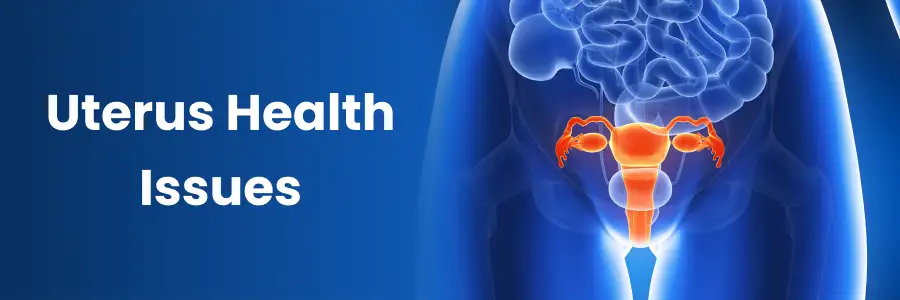
Your uterus is a vital part of your reproductive system. Keeping it healthy is important for your overall well-being. Unfortunately, many conditions can negatively impact your uterine health. Understanding these conditions can help you take steps to protect yourself. In this article, we will explore the various risks to uterine health and what you can do to maintain a healthy uterus.
Get a second opinion from trusted experts and makeconfident, informed decisions.
Get Second OpinionNot sure where to start?
Talk to a patient care advisor — free, confidential, 24/7. We'll match you to the right specialist and book your appointment in minutes.
Uterine Fibroids
Uterine fibroids are non-cancerous growths that develop in or on the uterus. They are quite common, especially in women of childbearing age. These growths can vary in size and number. Some women may have one fibroid, while others can have multiple.
Symptoms of Uterine Fibroids
- Heavy menstrual bleeding
- Pelvic pain or pressure
- Frequent urination
- Difficulty emptying the bladder
- Constipation
- Backache or leg pains
Risk Factors
- Family history of fibroids
- Obesity
- High blood pressure
- No history of pregnancy
Endometriosis
Endometriosis is a condition where tissue similar to the lining inside the uterus grows outside the uterus. This can cause severe pain and other symptoms, particularly during menstruation.
Symptoms of Endometriosis
- Painful periods (dysmenorrhea)
- Pain during intercourse
- Pain with bowel movements or urination
- Excessive bleeding
- Infertility
- Fatigue, diarrhea, constipation, bloating, and nausea
Risk Factors
- Never giving birth
- Starting your period at an early age
- Going through menopause at an older age
- Short menstrual cycles
- High levels of estrogen
- Low body mass index (BMI)
Pelvic Inflammatory Disease (PID)
Pelvic Inflammatory Disease is an infection of the female reproductive organs. It is often caused by sexually transmitted infections (STIs) like chlamydia and gonorrhea. If left untreated, PID can cause permanent damage to the uterus, fallopian tubes, and ovaries.
Symptoms of PID
- Pain in your lower abdomen and pelvis
- Heavy vaginal discharge with an unpleasant odor
- Irregular menstrual bleeding
- Pain during intercourse
- Fever and chills
- Painful or difficult urination
Risk Factors
- Having multiple sexual partners
- Being sexually active and under 25 years old
- Having a history of STIs
- Douching regularly
- Using an intrauterine device (IUD) for birth control
Uterine Cancer
Uterine cancer is a type of cancer that begins in the uterus. The most common type is endometrial cancer, which starts in the lining of the uterus. Early detection is crucial for effective treatment.
Symptoms of Uterine Cancer
- Abnormal vaginal bleeding or discharge
- Pelvic pain
- Pain during intercourse
- Unexplained weight loss
Risk Factors
- Age (being older than 50)
- Obesity
- Hormone therapy for breast cancer
- A diet high in animal fat
- Diabetes
- Family history of uterine cancer
Adenomyosis
Adenomyosis occurs when the inner lining of the uterus breaks through the muscle wall of the uterus. This can lead to heavy periods, severe cramps, and an enlarged uterus.
Symptoms of Adenomyosis
- Heavy or prolonged menstrual bleeding
- Severe menstrual cramps
- Chronic pelvic pain
- Painful intercourse
- Passing blood clots during your period
Risk Factors
- Childbirth
- Middle age
- Previous uterine surgery
Polycystic Ovary Syndrome (PCOS)
Polycystic Ovary Syndrome is a hormonal disorder common among women of reproductive age. Women with PCOS may have infrequent or prolonged menstrual periods and excess male hormone (androgen) levels.
Symptoms of PCOS
- Irregular periods
- Excess facial and body hair
- Severe acne
- Male-pattern baldness
- Weight gain
- Darkening of the skin in certain areas
Risk Factors
- Obesity
- Insulin resistance
- Family history of PCOS
Maintaining Uterine Health
Maintaining your uterine health involves regular check-ups and making healthy lifestyle choices. Here are some tips to keep your uterus healthy:
Regular Gynecological Exams
Regular visits to your gynecologist can help detect any issues early. Pap smears, pelvic exams, and ultrasounds are essential for monitoring your uterine health.
Healthy Diet
A balanced diet rich in fruits, vegetables, whole grains, and lean proteins can help maintain your overall health and reduce the risk of uterine problems.
Exercise Regularly
Regular physical activity can help manage weight and reduce the risk of conditions like PCOS and uterine cancer.
Avoid Smoking and Limit Alcohol
Smoking and excessive alcohol consumption can increase the risk of various health problems, including those affecting the uterus.
Safe Sexual Practices
Using protection during sex and limiting the number of sexual partners can reduce the risk of STIs and PID.
Manage Stress
High stress levels can impact your hormonal balance. Practices like meditation, yoga, and deep-breathing exercises can help manage stress.
Conclusion
Your uterine health is crucial for your overall well-being. By understanding the conditions that can damage your uterus, you can take proactive steps to protect it. Regular check-ups, a healthy lifestyle, and being aware of the symptoms and risk factors of uterine conditions can make a significant difference in maintaining your uterine health. Always consult with your healthcare provider if you have any concerns about your reproductive health.
Your health is everything - prioritize your well-being today.
Schedule Your AppointmentFrequently Asked Questions
Common issues include fibroids, endometriosis, polyps, and uterine infections.
Symptoms include pelvic pain, irregular bleeding, and difficulty conceiving.
Diagnosis involves pelvic exams, ultrasounds, and imaging tests.
Hormonal imbalances, infections, and trauma can affect uterine health.
Treatment varies from medications to surgery, depending on the condition.
- Cardiology
- Case Studies
- Dermatology
- Endocrinology
- ENT
- Fertility
- Gastroenterology
- General
- General-Medicine
- Gynecology
- Hematology
- Infectious-Diseases
- Medical News
- Neurology
- Oncology
- Ophthalmology
- Orthopedics
- Pediatrics
- Procedure
- Public-Health
- Pulmonology
- Radiology
- Second Opinion
- Urology
- Wellness
- Woman-and-child
Related Blogs
Still have questions? Speak with our experts now!
040-68334455


