 Call
Call Patient Reports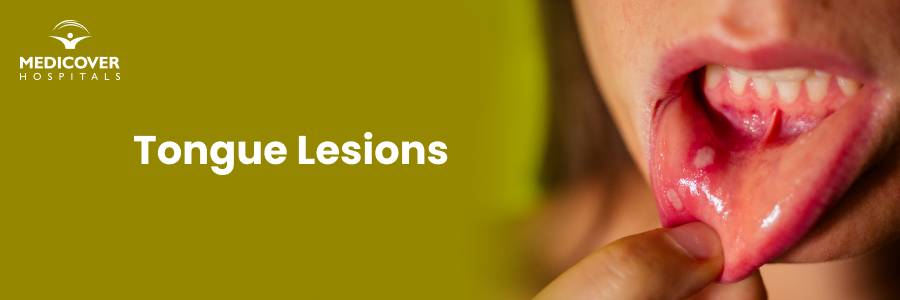
- 3789
- 3.5 Minute
Written by Medicover Team and Medically Reviewed by Dr Ramavath Dev
Tongue Lesions: Causes, Types, Symptoms & Treatment
Do you suffer from tongue lesions and wonder how they might be impacting your daily life? The discomfort and pain caused by tongue lesions can make simple activities like eating, speaking or even swallowing challenging.
Understanding more about tongue lesions can help you manage the symptoms and seek appropriate treatment.
Let's explore the causes, symptoms, types, diagnosis, treatment options and the connection between tongue lesions and oral cancer.
What Are Tongue Lesions?
Tongue lesions are any unusual spots, sores or growths on your tongue. They might look like red or white patches, open ulcers or even small bumps.
Some, like canker sores, are harmless and heal quickly, while others, like persistent patches, could signal infections or even oral cancer. Whether caused by injury, infection or something else, these lesions can make eating, speaking or swallowing uncomfortable.
Knowing the types of tongue lesions and their causes is the first step to managing them.
Why You Shouldn’t Ignore Them
Ignoring a sore on your tongue might seem tempting, especially if it’s small, but that’s a risky move. Some tongue sores heal on their own, but others could point to serious issues like infections or precancerous changes.
Persistent pain, bleeding or lesions that don’t go away after two weeks are red flags. Early action—whether it’s a quick home remedy or a visit to your dentist—can prevent complications and keep your smile in top shape.
Don’t wait until it’s a bigger problem; your tongue deserves some TLC!
Get a second opinion from trusted experts and makeconfident, informed decisions.
Get Second OpinionNot sure where to start?
Talk to a patient care advisor — free, confidential, 24/7. We'll match you to the right specialist and book your appointment in minutes.
Anatomy of the Tongue
Your tongue is more than just a muscle for tasting your favorite foods—it’s a complex organ that plays a big role in your daily life. Understanding its structure and functions can help you better comprehend why tongue lesions can be so problematic and how they impact you.
Parts of the Tongue Commonly Affected
The tongue has several key areas and lesions can pop up anywhere, each with its own quirks:
- Tip and Sides: These areas are prone to trauma from biting or sharp foods, leading to ulcers or canker sores.
- Top Surface (Dorsum): This is where white patches like leukoplakia or fungal infections like oral thrush often show up.
- Underside: Lesions here can be more difficult to spot but may cause discomfort during swallowing.
- Base (Back of the Tongue): Located closer to the throat, this area is more susceptible to developing lesions associated with oral cancer or infections, such as HPV.
Each part of the tongue is sensitive, so lesions in any area can make daily tasks like eating or speaking feel like a chore.
Functions of the Tongue
Your tongue is a multitasking superstar and lesions can disrupt its function. Here’s what it does:
- Taste: The tongue’s taste buds let you savor sweet, salty, sour and bitter flavors.
- Speech: It helps form words, so lesions can make talking tricky or painful.
- Chewing and Swallowing: The tongue moves food around and guides it down your throat.
- Oral Hygiene: It helps clear food particles and bacteria from your mouth.
When tongue sores or lesions strike, they can disrupt these functions, making even simple things like sipping coffee or chatting with friends uncomfortable. That’s why keeping your tongue healthy is key to your overall well-being.
What are the Common Causes Tongue Lesions?
Tongue lesions can be caused by various factors, including:
- Oral cancer
- infections
- Trauma or injury
- Smoking or tobacco use
Identifying the underlying cause of your tongue lesions is crucial for appropriate management.
Recognizing Tongue Lesions Symptoms
The symptoms of tongue lesions may include:
- Persistent pain or discomfort
- Red or white patches on the tongue
- difficulty in swallowing
- Unexplained bleeding
If these tongue lesions symptoms last more than a week or two or if you notice growth or hardening, see a doctor pronto. These could be oral cancer warning signs and early action is critical.
Different Types of Tongue Lesions
Not all tongue sores are created equal. Here’s a rundown of the main types:
- Canker Sores: Small, painful ulcers with a white or gray center and red border. They usually heal in 1-2 weeks.
- Oral Thrush: Creamy white patches from a fungal infection, common in babies, older adults or those with weak immune systems.
- Leukoplakia: White or grayish patches that can’t be scraped off, sometimes signaling precancerous changes.
- Ulcers: Open sores from injury, infection or other conditions.
- Erythroplakia: Red patches that may carry a higher risk of oral cancer.
Each type has its own unique look and feel, so a proper diagnosis is crucial for receiving the right treatment.
Diagnosing Tongue Lesions
Curious how doctors pinpoint what’s up with your tongue? The diagnosis process typically involves:
- Physical Exam: Your dentist or doctor checks your tongue and mouth for visible signs.
- Biopsy: If a lesion looks suspicious they might take a small sample for testing.
- Imaging Tests: X-rays or CT scans can help rule out deeper issues, especially for oral cancer screening.
A quick and accurate diagnosis sets the stage for the right treatment plan, so don’t delay if something feels off.
Effective Treatment Options for Tongue Lesions
Good news: most tongue lesions can be managed with the right approach. Treatments vary based on the cause and severity:
- Topical Medications: Gels or creams to ease pain and inflammation.
- Antifungal Agents: Medications like nystatin tackle oral thrush.
- Steroid Injections: Used for severe lesions to reduce swelling.
- Surgical Removal: For rare cases, like suspected oral cancer, surgery might be needed.
- Home Remedies: Try rinsing with saltwater, applying ice or using over-the-counter pain relievers for relief.
Your doctor will customize a plan for you, so stick to their guidance for the best results.
What is the Link Between Tongue Lesions and Oral Cancer?
Tongue lesions can sometimes be associated with oral cancer, especially if they persist for an extended period or show concerning features. Regular dental check ups and screenings are essential for early detection and management of any potential oral cancer risks.
Remedies for Painful Tongue Lesions
Some remedies that may help alleviate the discomfort of painful tongue lesions include:
- Rinsing with saltwater
- Applying ice for pain relief
- Using over-the-counter pain relievers
- Avoiding spicy or acidic foods
These remedies can provide temporary relief while you seek appropriate medical care for your tongue lesions.
Tongue Lesions in Children: Causes and Treatment
Kids aren’t immune to tongue lesions and seeing a sore on your child’s tongue can be worrying. Children’s tongues are just as sensitive as adults but the causes and treatments can differ slightly due to their developing immune systems and habits. Here’s what parents need to know about tongue sores in children.
Causes of Tongue Lesions in Children
Tongue lesions in kids can pop up for a variety of reasons often tied to their active lifestyles or growing bodies:
- Trauma or Injury: Kids love to explore with their mouths and accidental bites from chewing or rough play can cause ulcers or sores. Crunchy snacks like pretzels can also irritate the tongue.
- Infections: Oral thrush, a fungal infection caused by Candida, is common in babies and young kids, especially after antibiotics or in those with weaker immune systems. Viral infections like hand, foot and mouth disease (caused by coxsackievirus) can also lead to tongue sores.
- Canker Sores: These painful ulcers can show up due to stress, food sensitivities (like citrus or spicy foods) or minor injuries. They’re more common in school-aged kids.
- Nutritional Deficiencies: Kids who are picky eaters might lack vitamins like B12 or iron, which can trigger tongue sores.
- Allergies or Sensitivities: Certain foods, toothpaste or mouthwashes can irritate a child’s tongue, causing lesions.
- Teething: In younger kids, teething can irritate the tongue, leading to soreness or small ulcers.
Unlike adults, kids are less likely to have lesions linked to oral cancer, but a doctor should still check any persistent sore.
Treatment for Tongue Lesions in Children
Tongue lesions treatment in children focuses on relieving discomfort and addressing the underlying cause. Always consult a pediatrician or dentist before beginning any treatment. Here's how to manage tongue lesions effectively:
- Home Remedies: Rinsing with a mild saltwater solution (1/4 teaspoon salt in a cup of warm water) can soothe sores. Applying ice wrapped in a clean cloth can help with pain. Avoid spicy, acidic or rough foods that might irritate the tongue further.
- Over-the-Counter Relief: Child-safe pain relievers like acetaminophen or ibuprofen can help with discomfort, but follow dosing instructions carefully. Topical gels (like those for teething) may be recommended by a doctor for older kids.
- Antifungal Medications: For oral thrush, pediatricians often prescribe antifungal drops or gels, like nystatin, which are safe for kids and clear up the infection in a week or two.
- Addressing Allergies or Deficiencies: If food sensitivities or deficiencies are suspected, a doctor might suggest dietary changes or supplements (like vitamin B12 or iron) tailored to your child’s needs.
- Good Oral Hygiene: Encourage gentle brushing with a soft toothbrush and an alcohol-free mouthwash to keep the mouth clean and prevent further irritation.
- Monitoring and Comfort: Most kids’ tongue sores heal in 1-2 weeks. Keep an eye on the lesion and offer soft, bland foods like yogurt or mashed potatoes to make eating easier.
If a lesion lasts longer than two weeks, grows or comes with fever, swelling or trouble swallowing, see a pediatrician or dentist right away to rule out serious issues.
Medicines for Tongue Ulcers
Tongue ulcers whether in adults or children, can be a real pain literally. Thankfully, there are medicines to help soothe the discomfort and speed up healing. The right medication depends on the cause of the ulcer (like injury, infection or inflammation) and the patient’s age. Always check with a healthcare provider before using any medication especially for kids. Here’s a rundown of common tongue ulcer medicines:
- Topical Gels and Creams: These are applied directly to the ulcer to reduce pain and inflammation. Examples include:
- Benzocaine Gel (e.g., Orajel): Numbs the area for quick pain relief. Safe for adults and older kids, but use sparingly and follow the label.
- Triamcinolone Acetonide (a corticosteroid): Reduces swelling and pain for severe canker sores. Requires a prescription and is typically for adults or older children under medical supervision.
- Lidocaine Gel: Another numbing option for intense pain often prescribed for adults with persistent ulcers.
- Antimicrobial Mouthwashes: These help keep the ulcer clean and prevent infection. Examples include:
- Chlorhexidine Mouthwash: Reduces bacteria in the mouth, promoting healing. It’s prescription based for adults and sometimes used for older kids.
- Hydrogen Peroxide Rinse (diluted): Can clean minor ulcers but should be used cautiously and not for young kids.
- Antifungal Medications: If the ulcer is caused by oral thrush (a fungal infection), antifungal drugs are key:
- Nystatin Oral Suspension: A liquid swished in the mouth, safe for babies, kids, and adults. It clears fungal ulcers in 7-14 days.
- Fluconazole: A prescription oral tablet for severe or recurring thrush, typically for adults or older kids.
- Pain Relievers: Over-the-counter options like acetaminophen (Tylenol) or ibuprofen (Advil) can ease ulcer pain in adults and kids (use child-specific doses for kids). These don’t heal the ulcer but make it more bearable.
- Steroid Injections: For severe, persistent ulcers (rare in kids), a doctor might inject a corticosteroid like dexamethasone directly into the lesion to reduce inflammation. This is typically for adults and requires a specialist.
- Vitamin Supplements: If ulcers stem from deficiencies (like B12 or iron), doctors may prescribe supplements to address the root cause, especially for kids with poor diets or adults with confirmed deficiencies.
For kids, stick to pediatrician-approved options like nystatin for thrush or acetaminophen for pain, and avoid strong topical gels unless directed.
For adults, combining a topical gel with a mouthwash can work wonders for tongue ulcer treatment. Always follow the prescribed dosage and avoid irritants like spicy foods while healing. If ulcers don’t improve in 1-2 weeks, see a doctor to check for underlying issues.
Your health is everything - prioritize your well-being today.
Schedule Your AppointmentIn Conclusion
In conclusion, tongue lesions can significantly impact your oral health and quality of life. By understanding the causes, symptoms, types, diagnosis and treatment options for tongue lesions, you can take proactive steps to manage your condition effectively.
Remember that early detection and timely intervention are key in addressing tongue lesions and preventing any potential complications, including oral cancer.
If you experience persistent or concerning tongue lesions, consult your healthcare provider for personalized guidance and care.
Frequently Asked Questions
Some tongue lesions can be painful, especially if caused by infections, injuries or conditions like ulcers. Others, such as benign growths, may not cause discomfort.
It depends on the cause. Lesions from viral infections like herpes or fungal infections like oral thrush can be contagious, while those from trauma or vitamin deficiencies are not.
If you have tongue lesions that persist for more than two weeks or cause pain or difficulty with eating or speaking, you should see a doctor promptly.
Yes, tongue lesions can indicate serious conditions. They can affect daily activities like eating and speaking.
Yes, tongue lesions can occur in children due to biting, viral infections or nutritional deficiencies. Most are harmless and heal on their own, but persistent lesions should be checked by a doctor.
Yes, poor oral hygiene can cause bacterial or fungal infections, leading to tongue lesions. Regular brushing, flossing and tongue cleaning help prevent them.
Yes, stress can contribute to the development of tongue lesions or ulcers. Emotional stress may weaken the immune system, trigger inflammation, or lead to habits like tongue biting or teeth grinding, all of which can irritate the tongue and cause painful sores.
Most minor tongue lesions or ulcers heal on their own within 7 to 10 days. However, healing time may vary depending on the cause, severity, and individual health. If a lesion lasts longer than two weeks or keeps coming back, it’s best to consult a healthcare provider for further evaluation.
Tongue ulcers are commonly caused by accidental bites, irritation from sharp teeth or dental appliances, stress, or eating spicy or acidic foods. They can also result from nutritional deficiencies, such as low levels of iron, folate, or vitamin B12. In some cases, infections or underlying health conditions like autoimmune disorders may also trigger tongue ulcers.
- Cardiology
- Case Studies
- Dermatology
- Endocrinology
- ENT
- Fertility
- Gastroenterology
- General
- General-Medicine
- Gynecology
- Hematology
- Infectious-Diseases
- Medical News
- Neurology
- Oncology
- Ophthalmology
- Orthopedics
- Pediatrics
- Procedure
- Public-Health
- Pulmonology
- Radiology
- Second Opinion
- Urology
- Wellness
- Woman-and-child
Related Blogs
Still have questions? Speak with our experts now!
040-68334455


