 Call
Call Patient Reports
- Cardiology 84
- Dermatology 45
- Endocrinology 33
- ENT 16
- Fertility 190
- Gastroenterology 78
- General-Medicine 81
- Gynecology 80
- Hematology 19
- Infectious-Diseases 33
- Neurology 52
- Oncology 34
- Ophthalmology 23
- Orthopedics 69
- Pediatrics 31
- Procedure 23
- Public-Health 144
- Pulmonology 59
- Radiology 8
- Urology 68
- Wellness 161
- Woman-and-child 77
- 3759
- 3.5 Minute
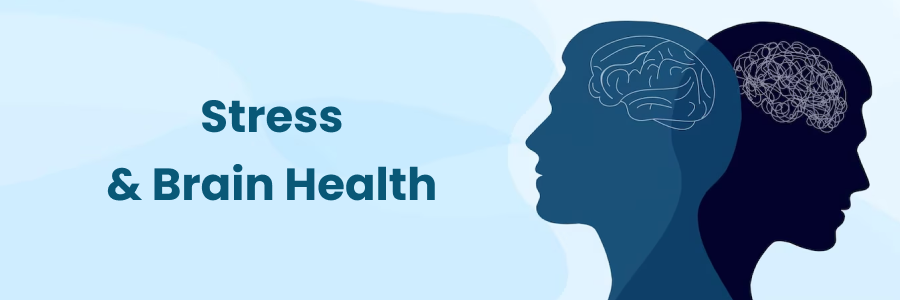
Stress and Brain Health: Advice from Brain Specialists at Pune Medicover Hospitals
In this fast-moving world, stress has become very natural. Some stress can be helpful, but too much of it and prolonged chronic stress does serious harm to health, including brain health. At Pune Medicover Hospital, brain specialists state that stress reduction is essential to optimum brain function and overall health. Today, we are taking up the stress and brain health connection with expertise from Pune Medicover Hospitals, which is under their direction in dealing with stress effectively.
Understanding Stress and Its Impact on Brain Health
The HPA axis is responsible for a cascade of physiological responses, such as in the case of stress. If you respond very negatively to something, your brain perceives this as a threat and the HPA axis starts firing. This results in the production of stress hormones - cortisol and adrenaline.
Acute vs. Chronic Stress
Acute Stress: There is a type of stress that is beneficial, and this is short-term stress. It sharpens your alertness and readiness to overcome immediate challenges by boosting energy. Once the threat or stressor passes, cortisol levels fall and all of these systems go back to normal.
Chronic Stress: This type of stress happens when acute stressors do not disappear over the years. Stress like this can result in a state of chronic vigilance, which, over the long term, exerts damaging effects on brain health. Stress hormones in the bloodstream over extended periods can actually kill some cells we want to keep and injure or under-supply others that are already struggling with conscious processing, damaging brain function overall and increasing vulnerability to future forms of mental illness.
Get a second opinion from trusted experts and makeconfident, informed decisions.
Get Second OpinionNot sure where to start?
Talk to a patient care advisor — free, confidential, 24/7. We'll match you to the right specialist and book your appointment in minutes.
Effects of Chronic Stress on Brain Health
Chronic stress sinks its teeth deeper inside the brain and Specialist Brain at Pune Medicover Hospitals ways to prove it.
Impaired Cognitive Function
This damages cognitive functions like memory, attention and decision-making. The same study found that stress preferentially hits the hippocampus, an area in our brain associated with memory formation. Over time, exposure to high levels of cortisol can cause the hippocampus to shrink in size. This will affect your memory, and you may experience difficulty remembering things if it continues for weeks or months.
Increased Risk of Mental Health Disorders
Chronic stress is one of the highest risk factors for both anxiety and depression. This can result in changes to brain chemistry and structure, which then increases vulnerability to these conditions.
Neuroinflammation
Neuroinflammation was identified as a mechanism that leads to the onset of neurodegenerative illnesses, including Alzheimer's and Parkinson's. Persistent stress can prime the immune system to release pro-inflammatory cytokines that are capable of damaging brain cells.
Reduced Neuroplasticity
Neuroplasticity is the brain's ability to reorganise itself by forming new neural connections. Chronic stress can lower neuroplasticity, in turn making the brain less capable of healing from injury or learning new things. This can have deleterious effects on learning, memory and overall cognitive function.
Expert Advice from Pune Medicover Hospitals Brain Specialists
Pune Medicover Hospitals, brain doctors support ways to prevent brain damage from stress:
Practice Mindfulness and Meditation
Both mindfulness and meditation can help manage stress levels and make the brain healthier. These are mindfulness practices in which you direct your attention to the current moment and foster peace and serenity. Multiple studies suggest meditation and mindfulness can help lower levels of stress hormones, improve mood, and boost cognitive function.
Engage in Regular Physical Activity
Exercise is a mighty stress buster and there are numerous brain health benefits. Sweating it out increases the production of endorphins, otherwise known in layman's terms as 'feel good drugs'. Plasticity, meaning your brain can adapt more easily to changes - and that includes the ability of our brains to produce new neurons (neurogenesis),
Maintain a Balanced Diet
A healthy diet without deficiency is key to the most beneficial brain function. Brain specialists at Pune Medicover Hospitals suggest eating Antioxidants, Omega-3 fatty acids & vitamins to boost your brain power. These substances play a role in protecting brain cells from damage and help support cognitive function. One of these ways is to avoid over-consumption of caffeine and sugar, which can lead to increased levels of stress.
Get Adequate Sleep
Brain health and stress reduction: the importance of good sleep. Too little sleep on a long-term basis can even magnify the impact of stress in your brain and hinder cognitive function. Content Train yourself to get 7-9 hours of sound sleep every night by developing a daily sleep routine that will provide adequate rest.
Seek Social Support
Having strong social connections can act as a buffer to stress. Positive social connections reduce stress and enhance mental well-being so it is good to engage in interactions with friends or family circle rather than stay isolated at this time. Engaging in the community will help foster connections with others, whether that looks like joining a support group or attending events and activities.
Manage Time Effectively
Good time management can reduce stress by preventing you from becoming overburdened. Prioritise your tasks so you know what to aim first, figure out realistic goals based on a time frame and start shattering those big scary goals into small steps. Not multitasking. Keeping up regular breaks can improve work efficiency and alleviate stress.
Professional Help and Therapy
Seek professional help when the stress gets too much to handle Mental Health. Consulting with a mental health professional or therapist is vital, according to brain specialists at the Pune Medicover Hospitals. A wide range of therapeutic interventions, including cognitive-behavioural therapy (CBT), can help individuals to build their coping skills and techniques for dealing with stress better.
Your health is everything - prioritize your well-being today.
Schedule Your AppointmentConclusion
We all experience stress in our lives, but the effects are nothing to look over when it comes to brain health. Prolonged stress can damage cognitive ability, lead to psychological disorders, increase neurological inflammation, or cause loss of adoption. The good news is that with a few specific strategies and support, you can handle your stress in ways that will help reduce it not only from the neck down but also from the top.
Practices recommended by brain specialists at Pune in Medicover Hospitals are mindfulness, regular physical activity, a balanced diet, adequate sleep, social support, effective time management and seeking professional help when required. These are ways that you can protect brain health and well-being in your everyday life.
This is a lifelong dedication to taking care of our brains. Implement these expert strategies today to help secure a lighter future free from stress.
Frequently Asked Questions
Long-term stress can harm brain health by causing cognitive issues, memory troubles, mood disorders such as anxiety and depression, and raising the chances of developing neurological conditions like Alzheimer's disease and stroke.
Signs of stress affecting brain function include difficulty concentrating, memory lapses, irritability, mood swings, changes in sleep patterns, and heightened anxiety. These symptoms may indicate a need to manage stress to prevent long-term impacts on brain health.
Brain specialists recommend stress management strategies such as regular physical exercise, mindfulness meditation, deep breathing exercises, yoga, adequate sleep, maintaining a balanced diet, setting realistic goals, and seeking social support.
Effective stress management techniques reduce the production of stress hormones like cortisol, promote neural growth and connections in the brain, improve mood stability, enhance cognitive function, and protect against neurodegenerative diseases.
Eating a variety of foods that are high in antioxidants, omega-3 fatty acids, vitamins, and minerals helps keep your brain healthy by decreasing inflammation, aiding in neurotransmitter function, and giving your brain the energy it needs to work at its best. It's also helpful to steer clear of too much sugar and processed foods.
- Cardiology
- Case Studies
- Dermatology
- Endocrinology
- ENT
- Fertility
- Gastroenterology
- General
- General-Medicine
- Gynecology
- Hematology
- Infectious-Diseases
- Medical News
- Neurology
- Oncology
- Ophthalmology
- Orthopedics
- Pediatrics
- Procedure
- Public-Health
- Pulmonology
- Radiology
- Second Opinion
- Urology
- Wellness
- Woman-and-child
Related Blogs
Still have questions? Speak with our experts now!
040-68334455


