 Call
Call Patient Reports
- Cardiology 84
- Dermatology 45
- Endocrinology 33
- ENT 16
- Fertility 190
- Gastroenterology 78
- General-Medicine 81
- Gynecology 80
- Hematology 19
- Infectious-Diseases 33
- Neurology 52
- Oncology 34
- Ophthalmology 23
- Orthopedics 69
- Pediatrics 31
- Procedure 23
- Public-Health 144
- Pulmonology 59
- Radiology 8
- Urology 68
- Wellness 161
- Woman-and-child 77
- 3759
- 3.5 Minute
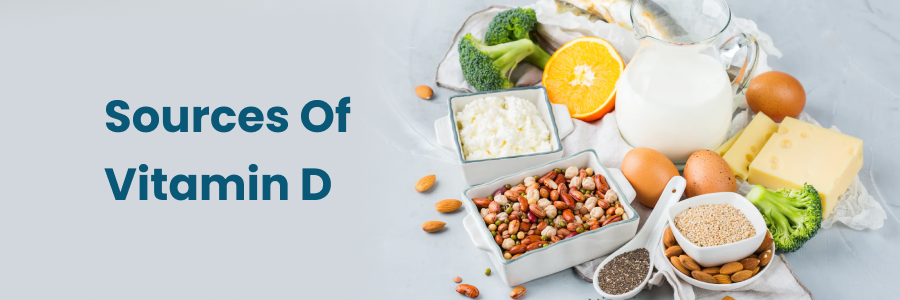
Top Natural Sources of Vitamin D
Vitamin D, often referred to as the "sunshine vitamin," plays a crucial role in maintaining optimal health. Unlike other vitamins, the body can synthesize vitamin D when exposed to sunlight. However, several factors, such as geographic location, skin pigmentation, and lifestyle, can affect this natural production.
Understanding the natural sources of vitamin D is essential for ensuring adequate intake and reaping its numerous health benefits.
Get a second opinion from trusted experts and makeconfident, informed decisions.
Get Second OpinionNot sure where to start?
Talk to a patient care advisor — free, confidential, 24/7. We'll match you to the right specialist and book your appointment in minutes.
The Importance of Vitamin D
Vitamin D is not just a single compound but a group of fat-soluble secosteroids, primarily vitamin D2 (ergocalciferol) and vitamin D3 (cholecalciferol). These compounds are vital for various physiological processes. One of the most well-known benefits of vitamin D is its role in promoting calcium absorption, which is crucial for bone health and preventing osteoporosis.
Health Benefits of Vitamin D
The benefits of vitamin D extend beyond bone health. It plays a pivotal role in immune function, helping to ward off infections and illnesses. Additionally, vitamin D has been associated with reducing the risk of chronic diseases such as cardiovascular disease, diabetes, and certain cancers. Emerging research also suggests a link between adequate vitamin D levels and improved mental health, including reduced risks of depression and anxiety.
Natural Sources of Vitamin D
While sunlight is a primary source of vitamin D, several foods naturally contain this essential nutrient. Incorporating these foods into your diet can help maintain optimal vitamin D levels, especially in situations where sunlight exposure is limited.
Fatty Fish
Fatty fish are among the best dietary sources of vitamin D. Fish such as salmon, mackerel, sardines, and tuna are rich in vitamin D3. For instance, a 100-gram serving of salmon can provide up to 988 IU of vitamin D, which is more than the recommended daily intake for most adults.
Cod Liver Oil
Cod liver oil is another potent source of vitamin D. Just one tablespoon of this oil can deliver approximately 1,360 IU of vitamin D. Cod liver oil also contains high levels of omega-3 fatty acids, which are beneficial for cardiovascular health.
Fortified Foods
Many foods are fortified with vitamin D to help people meet their daily requirements. Common fortified foods include milk, orange juice, and cereals. For example, a cup of fortified milk typically provides around 115-130 IU of vitamin D.
Egg Yolks
Egg yolks are a convenient and versatile source of vitamin D. One large egg yolk contains about 37 IU of vitamin D. While this is relatively low compared to fatty fish, eggs can still contribute to your daily intake, especially when consumed regularly.
Mushrooms
!Mushrooms rich in vitamin D()
Mushrooms, particularly those exposed to ultraviolet (UV) light, can provide a significant amount of vitamin D2. Varieties such as maitake and shiitake mushrooms are particularly rich in this nutrient. A 100-gram serving of UV-exposed mushrooms can offer up to 450 IU of vitamin D.
Beef Liver
Beef liver is a nutrient-dense food that provides a moderate amount of vitamin D. A 100-gram serving of beef liver contains approximately 49 IU of vitamin D. Although not as rich in vitamin D as some other sources, beef liver also provides essential nutrients such as iron and vitamin A.
Sunlight and Vitamin D
Sunlight is the most natural source of vitamin D. When UVB rays from the sun hit the skin, they trigger the synthesis of vitamin D3. However, several factors influence how much vitamin D your body can produce from sunlight.
Factors Affecting Sunlight Exposure
- Geographic Location: People living closer to the equator receive more UVB radiation and can produce more vitamin D year-round. In contrast, those living in higher latitudes may struggle to produce enough vitamin D, especially during the winter months.
- Skin Pigmentation: Melanin, the pigment responsible for skin colour, can reduce the skin's ability to produce vitamin D. Individuals with darker skin may require longer sun exposure to synthesize adequate amounts of vitamin D compared to those with lighter skin.
- Age: As people age, their skin's ability to synthesize vitamin D decreases. Older adults may need to rely more on dietary sources and supplements to maintain optimal vitamin D levels.
- Sunscreen Use: While sunscreen is essential for protecting against skin cancer, it can also block UVB rays and reduce vitamin D production. It's important to balance sun protection with the need for vitamin D synthesis.
Vitamin D Supplements
In some cases, dietary sources and sunlight exposure may not be sufficient to meet vitamin D requirements. This is where vitamin D supplements come into play. Supplements are available in two forms: vitamin D2 and vitamin D3. Vitamin D3 is generally considered more effective at raising and maintaining vitamin D levels in the blood.
When to Consider Supplements
- Limited Sun Exposure: If you live in a region with limited sunlight, particularly during the winter, or if you spend most of your time indoors, supplements can help maintain adequate vitamin D levels.
- Dietary Restrictions: Individuals who follow vegetarian or vegan diets may find it challenging to obtain enough vitamin D from food sources alone. Supplements can bridge this gap.
- Health Conditions: Certain health conditions, such as malabsorption syndromes or kidney disease, can affect the body's ability to absorb or convert vitamin D. In such cases, supplements may be necessary under medical guidance.
Recognizing Vitamin D Deficiency Symptoms
Vitamin D deficiency is surprisingly common and can have significant health consequences. Recognizing the symptoms early can help address the deficiency before it leads to more severe health issues.
Common Symptoms
- Bone Pain and Muscle Weakness: Vitamin D is crucial for calcium absorption, and a deficiency can lead to bone pain and muscle weakness. In severe cases, it can cause rickets in children and osteomalacia in adults.
- Fatigue: Persistent fatigue and a general sense of tiredness can be a sign of vitamin D deficiency.
- Mood Changes: Low levels of vitamin D have been linked to mood disorders, including depression and anxiety.
- Frequent Infections: Vitamin D plays a role in immune function, and a deficiency can make you more susceptible to infections and illnesses.
Your health is everything - prioritize your well-being today.
Schedule Your AppointmentConclusion
Vitamin D is an essential nutrient that plays a vital role in maintaining overall health. While sunlight is a primary source, several foods can help you meet your daily vitamin D needs. Understanding these sources and recognizing the symptoms of deficiency can help you maintain optimal vitamin D levels and enjoy the numerous health benefits it offers. Whether through natural sources or supplements, ensuring adequate vitamin D intake is crucial for your well-being.
Frequently Asked Questions
The best sources include fatty fish, fortified dairy products, egg yolks, and sunlight exposure.
Supplements can help boost vitamin D levels, especially in individuals with limited sun exposure or dietary intake.
Vitamin D supports bone health, immune function, and may reduce the risk of certain diseases.
Symptoms include fatigue, bone pain, muscle weakness, and mood changes.
Increasing sun exposure, consuming vitamin D-rich foods, and taking supplements can enhance vitamin D levels.
- Cardiology
- Case Studies
- Dermatology
- Endocrinology
- ENT
- Fertility
- Gastroenterology
- General
- General-Medicine
- Gynecology
- Hematology
- Infectious-Diseases
- Medical News
- Neurology
- Oncology
- Ophthalmology
- Orthopedics
- Pediatrics
- Procedure
- Public-Health
- Pulmonology
- Radiology
- Second Opinion
- Urology
- Wellness
- Woman-and-child
Related Blogs
Still have questions? Speak with our experts now!
040-68334455


