 Call
Call Patient Reports
- Cardiology 84
- Dermatology 45
- Endocrinology 33
- ENT 16
- Fertility 190
- Gastroenterology 78
- General-Medicine 81
- Gynecology 80
- Hematology 19
- Infectious-Diseases 33
- Neurology 52
- Oncology 34
- Ophthalmology 23
- Orthopedics 69
- Pediatrics 31
- Procedure 23
- Public-Health 144
- Pulmonology 59
- Radiology 8
- Urology 68
- Wellness 161
- Woman-and-child 77
- 3759
- 3.5 Minute
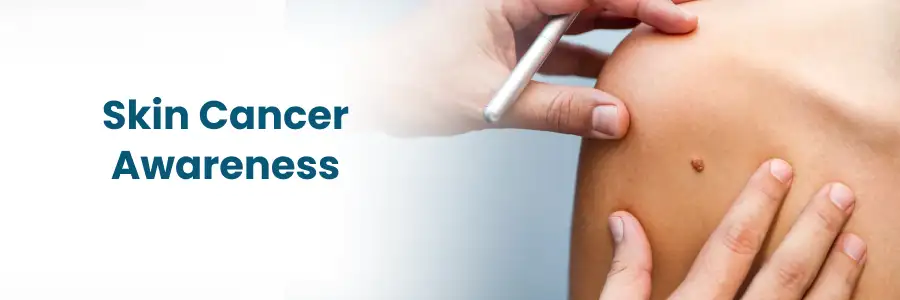
Skin Cancer: Awarness, Types, Symptoms, Treatment
Skin cancer is a pressing health issue that affects millions of people worldwide. Understanding critical facts about this disease can aid in early detection and prevention. Here are ten essential facts about skin cancer that everyone should know.
Most Common Cancer
According to the World Health Organization, skin cancer accounts for one-third of all cancer diagnoses worldwide. This alarming statistic highlights the importance of skin cancer awareness and prevention.
Types of Skin Cancer
There are three primary types of skin cancer
- Basal cell carcinoma
- Squamous cell carcinoma
- Melanoma.
Basal and squamous cell carcinomas are more common and less likely to spread, while melanoma is less common but more dangerous.
Risk Factors
Several factors increase the risk of developing skin cancer. These include:
- Excessive sun exposure
- A history of sunburns
- Use of tanning beds
- Fair skin
- A family history of skin cancer
- Having many moles or a typical moles.
Get a second opinion from trusted experts and makeconfident, informed decisions.
Get Second OpinionNot sure where to start?
Talk to a patient care advisor — free, confidential, 24/7. We'll match you to the right specialist and book your appointment in minutes.
UV Radiation
Ultraviolet (UV) radiation from the sun or tanning beds is the primary cause of skin cancer. Protecting your skin from UV radiation by wearing sunscreen and protective clothing and seeking shade can significantly reduce your risk.
Early Detection
Early detection is crucial for successful treatment. Regular self-examinations and annual skin checks by a dermatologist can help catch skin cancer at an early, more treatable stage.
Symptoms
Common symptoms of skin cancer include:
- New growths
- Sores that do not heal
- Changes in existing moles
- Patches of skin that bleed itch
- Become painful.
If you notice any of these changes, consult a healthcare provider immediately.
Prevention Strategies
Effective skin cancer prevention strategies include:
- Using broad-spectrum sunscreen with an SPF of 30 or higher.
- Wearing protective clothing.
- Avoiding tanning beds.
- Seeking shade, especially during peak sun hours (10 AM to 4 PM).
Treatment Options
Treatment for skin cancer varies depending on the type and stage of the disease.
Treatment options may include:
- Surgical removal
- Radiation therapy
- Chemotherapy
- Targeted therapy
Early-stage skin cancers may only require minor surgical procedures.
Skin Cancer in Youth
Though more common in older adults, skin cancer can also affect younger individuals. Educating children and teenagers about the dangers of UV exposure and the importance of sun protection is vital.
Awareness Campaigns
Skin cancer awareness campaigns play a critical role in educating the public about prevention and early detection.
These campaigns often provide valuable resources and support for those affected by skin cancer.
Your health is everything - prioritize your well-being today.
Schedule Your AppointmentConclusion
By staying informed about skin cancer and practising effective prevention strategies, individuals can significantly reduce their risk and promote skin cancer awareness within their communities.
Frequently Asked Questions
Updates include improved screening techniques and public awareness campaigns.
Use sunscreen, avoid excessive sun exposure, and perform regular skin checks.
Yes, local dermatology hospitals and cancer support organizations offer resources.
Consult a dermatologist for evaluation and possible testing.
They educate people on risk factors and preventive measures.
Regular screenings can detect skin cancer early, improving treatment outcomes.
- Cardiology
- Case Studies
- Dermatology
- Endocrinology
- ENT
- Fertility
- Gastroenterology
- General
- General-Medicine
- Gynecology
- Hematology
- Infectious-Diseases
- Medical News
- Neurology
- Oncology
- Ophthalmology
- Orthopedics
- Pediatrics
- Procedure
- Public-Health
- Pulmonology
- Radiology
- Second Opinion
- Urology
- Wellness
- Woman-and-child
Related Blogs
Still have questions? Speak with our experts now!
040-68334455


