 Call
Call Patient Reports
- Cardiology 84
- Dermatology 45
- Endocrinology 33
- ENT 16
- Fertility 190
- Gastroenterology 78
- General-Medicine 81
- Gynecology 80
- Hematology 19
- Infectious-Diseases 33
- Neurology 52
- Oncology 34
- Ophthalmology 23
- Orthopedics 69
- Pediatrics 31
- Procedure 23
- Public-Health 144
- Pulmonology 59
- Radiology 8
- Urology 68
- Wellness 161
- Woman-and-child 77
- 3759
- 3.5 Minute
Common Reasons for Skin Allergies
Skin allergies are a common affliction affecting millions of individuals worldwide. They manifest in various forms and can be triggered by a plethora of factors. Understanding the reasons behind these allergies and the available treatment options is crucial for managing symptoms and improving quality of life. This article delves into the common reasons for skin allergies and explores effective treatment options.
Understanding Skin Allergies
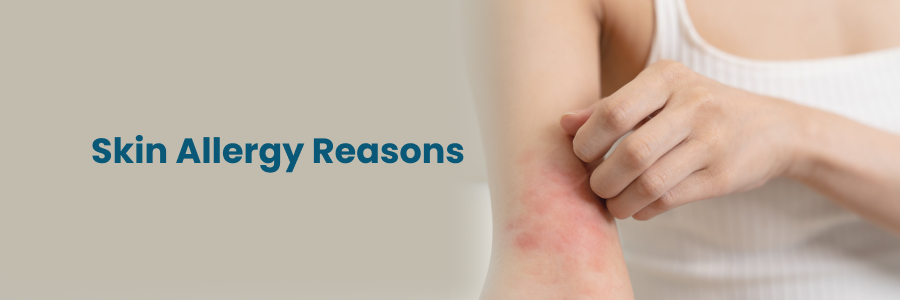
Skin allergies occur when the immune system reacts to a typically harmless substance, interpreting it as a threat. This reaction can lead to symptoms such as itching, redness, swelling, and rashes. The severity and duration of these symptoms can vary depending on the allergen and the individual's sensitivity.
Get a second opinion from trusted experts and makeconfident, informed decisions.
Get Second OpinionNot sure where to start?
Talk to a patient care advisor — free, confidential, 24/7. We'll match you to the right specialist and book your appointment in minutes.
Common Causes of Skin Allergies
Contact Dermatitis
Contact dermatitis is one of the most prevalent causes of skin allergies. It occurs when the skin comes into direct contact with an allergen. There are two main types:
- Irritant Contact Dermatitis: This type arises from exposure to substances that physically damage the skin, such as detergents, solvents, or harsh soaps.
- Allergic Contact Dermatitis: This occurs when the skin reacts to an allergen, such as nickel, cosmetics, or certain plants like poison ivy.
Atopic Dermatitis (Eczema)
Atopic dermatitis, commonly known as eczema, is a chronic condition characterized by itchy, inflamed skin. It often starts in childhood and can persist into adulthood. The exact cause of eczema is unknown, but it is believed to involve a combination of genetic and environmental factors.
Urticaria (Hives)
Urticaria, or hives, manifests as red, itchy welts on the skin. They can result from allergic reactions to foods, medications, insect stings, or even stress. In some cases, hives can be chronic, lasting for more than six weeks and requiring medical intervention.
Food Allergies
Certain foods can trigger skin allergies, leading to symptoms such as itching, swelling, and hives. Common food allergens include nuts, shellfish, eggs, and dairy products. Identifying and avoiding these foods is essential for managing symptoms.
Drug Allergies
Medications can also cause skin allergies. Antibiotics, nonsteroidal anti-inflammatory drugs (NSAIDs), and anticonvulsants are common culprits. Symptoms can range from mild rashes to severe reactions like Stevens-Johnson syndrome, which requires immediate medical attention.
Insect Bites and Stings
Insect bites and stings from bees, wasps, mosquitoes, and other insects can lead to allergic reactions. These reactions can range from localized swelling and redness to severe anaphylaxis, which is a life-threatening condition requiring emergency treatment.
Latex Allergy
Latex, a natural rubber found in many medical and household products, can cause allergic reactions in some individuals. Symptoms can include itching, redness, and even anaphylaxis in severe cases.
Environmental Factors
Environmental factors such as pollen, dust mites, mold, and pet dander can trigger skin allergies. These allergens are often airborne and can cause conditions like atopic dermatitis or hives.
Baby Skin Allergy Reasons
Due to their sensitive skin, infants and young children are particularly susceptible to skin allergies. Common causes include diaper rash, allergic reactions to baby products, and eczema. Identifying and avoiding triggers, along with proper skincare, can help manage these conditions.
Diagnosis of Skin Allergies
Accurate diagnosis is crucial for effective treatment of skin allergies. Dermatologists and allergists use several methods to identify the allergens causing the reaction:
- Patch Testing: This involves applying small amounts of potential allergens to the skin and observing for responses.
- Skin Prick Testing: Small amounts of allergens are pricked into the skin to check for immediate responses.
- Blood Tests: These can measure the level of specific antibodies that indicate an allergic response.
Skin Allergy Treatment Options
Topical Treatments
Topical treatments are often the first line of defense against skin allergies. These include:
- Corticosteroids: These anti-inflammatory creams or ointments can reduce itching and swelling.
- Calcineurin Inhibitors: These are non-steroidal medications that can be used for conditions like eczema.
- Moisturizers: Regular use of moisturizers can help maintain the skin barrier and prevent flare-ups.
Oral Medications
For more severe or widespread reactions, oral medications may be necessary:
- Antihistamines: These can help reduce itching and swelling caused by allergic reactions.
- Corticosteroids: Oral corticosteroids are used for short-term treatment of severe reactions.
- Immunosuppressants: In cases of chronic skin allergies, medications that suppress the immune system may be prescribed.
Avoidance and Lifestyle Changes
Identifying and avoiding allergens is a critical aspect of managing skin allergies. This may involve:
- Dietary Changes: Eliminating foods that trigger allergic reactions.
- Environmental Control: Using air purifiers, hypoallergenic bedding, and regular cleaning to reduce exposure to allergens.
- Skincare Routine: Using gentle, fragrance-free products and maintaining proper skin hygiene.
Your health is everything - prioritize your well-being today.
Schedule Your AppointmentImmunotherapy
Immunotherapy, or allergy shots, can be an effective long-term treatment for specific skin allergies. This involves gradually exposing the individual to increasing amounts of the allergen to build tolerance over time.
Emergency Treatments
In cases of severe allergic reactions, such as anaphylaxis, immediate medical intervention is required. This may include:
- Epinephrine Auto-Injectors: Devices like EpiPen can provide a life-saving dose of epinephrine in cases of severe allergic reactions.
- Emergency Medical Care: Hospitalization and advanced medical treatments may be necessary for life-threatening reactions.
Conclusion
Skin allergies are a complex and multifaceted issue that can significantly impact an individual's quality of life. Understanding the common causes, accurate diagnosis, and effective treatment options is essential for managing symptoms and preventing future reactions. By working closely with healthcare professionals and making informed lifestyle changes, individuals can take control of their skin health and minimize the impact of allergies.
Remember, if you suspect you have a skin allergy, it is crucial to seek professional medical advice for accurate diagnosis and appropriate treatment. Taking proactive steps can help you manage your condition effectively and improve your overall well-being.
Frequently Asked Questions
Common skin allergens include pollen, pet dander, and certain foods that can trigger allergic reactions.
Skin rashes can be caused by allergies, irritants, infections, or underlying health conditions.
Treatments may include antihistamines, topical creams, and avoiding allergens to manage symptoms.
Babies may develop skin allergies due to sensitive skin, common allergens, or environmental factors.
Itchy skin allergies can result from insect bites, rashes, or contact with allergens.
- Cardiology
- Case Studies
- Dermatology
- Endocrinology
- ENT
- Fertility
- Gastroenterology
- General
- General-Medicine
- Gynecology
- Hematology
- Infectious-Diseases
- Medical News
- Neurology
- Oncology
- Ophthalmology
- Orthopedics
- Pediatrics
- Procedure
- Public-Health
- Pulmonology
- Radiology
- Second Opinion
- Urology
- Wellness
- Woman-and-child
Related Blogs
Still have questions? Speak with our experts now!
040-68334455


