 Call
Call Patient Reports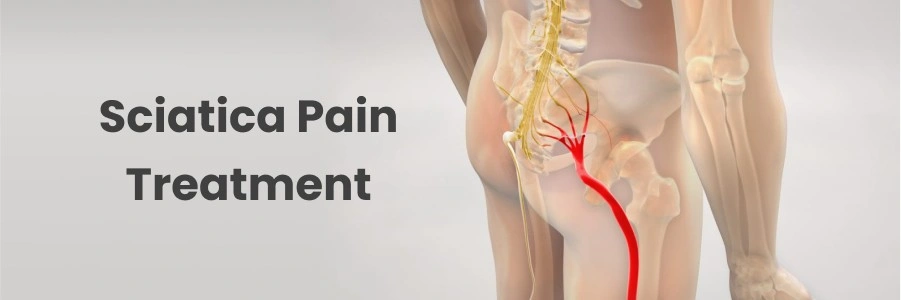
- 3856
- 3.3 Minute
Written by Medicover Team and Medically Reviewed by Dr Sai kishan Sirasala
Effective Sciatica Pain Treatment
Sciatica pain can seriously impact your day-to-day activities. The pain often radiates from the lower back down through the hips and legs, making even simple movements challenging. Fortunately, there are several effective treatments for relieving sciatica pain.
This article will explore various treatment options for sciatica, including natural remedies, exercises, home treatments, injections, medications, and physiotherapy. But before trying any treatment, it’s important to talk to a healthcare professional to make sure it’s safe and right for you.
Understanding Sciatica Pain
Sciatica is caused by irritation or compression of the sciatic nerve, which runs from the lower back down to the legs. Common causes include herniated discs, spinal stenosis, and piriformis syndrome. Symptoms often include sharp pain, tingling, numbness, and muscle weakness.
Get a second opinion from trusted experts and makeconfident, informed decisions.
Get Second OpinionNot sure where to start?
Talk to a patient care advisor — free, confidential, 24/7. We'll match you to the right specialist and book your appointment in minutes.
Natural Remedies for Sciatica Pain
These natural remedies, free from the side effects of medication, can offer a ray of hope in your journey to manage sciatica pain. Here are some popular options:
Herbal Supplements
Certain herbs, such as turmeric, willow bark, and devil's claw, have anti-inflammatory properties that may help reduce sciatica pain. Always consult your healthcare provider before starting any new supplement.
Hot and Cold Therapy
Alternating between hot and cold packs can reduce inflammation and ease muscle tension. Apply a cold pack for the first 48 hours, then switch to heat therapy.
Essential Oils
Some essential oils like peppermint, eucalyptus, and lavender have analgesic and anti-inflammatory properties. Dilute with a carrier oil and massage into the affected area for relief.
Sciatica Pain Treatment with Injections
For those experiencing severe sciatica pain, injections can be a comforting option, providing immediate relief.
Corticosteroid Injections
Corticosteroid injections can reduce inflammation around the irritated nerve, providing relief for weeks or even months. However, due to potential side effects, they are short-term solutions.
Nerve Block Injections
These injections work by blocking pain signals sent by the nerve. They can provide temporary relief and are often used to help diagnose the source of pain.
Exercises for Sciatica Pain Relief
Regular exercise can strengthen the muscles supporting your spine, reducing the pressure on the sciatic nerve.
Stretching
Stretching exercises, particularly those targeting the lower back and hamstrings, can help relieve nerve compression. Famous stretches include the seated forward bend and the reclining pigeon pose.
Strengthening Exercises
Strengthening exercises like bridges, planks, and wall sits can help build core strength and improve spinal alignment, which can reduce sciatica symptoms.
Yoga and Pilates
Yoga and Pilates focus on flexibility, strength, and proper alignment, making them excellent options for managing sciatica pain.
At-home sciatica Pain Treatments
There are several ways to manage sciatica pain treatment at home.
Alternative Medications
Non-prescription pain relievers like ibuprofen and acetaminophen can help reduce inflammation and manage pain. Always follow the recommended dosage guidelines.
Lifestyle Changes
By making these lifestyle changes, you can take control of your sciatica symptoms and improve your quality of life. Using ergonomic furniture and taking regular breaks to stand and stretch can also be beneficial.
Home Exercises
Incorporate stretching and strengthening exercises into your daily routine. Even simple activities like walking can help improve circulation and reduce pain.
Medications for Sciatica Pain Treatment
When natural options are not enough, prescription medications may be necessary.
NSAIDs
Nonsteroidal anti-inflammatory drugs (NSAIDs) like naproxen and diclofenac can be more effective than natural options for reducing inflammation and pain.
Muscle Relaxants
If muscle spasms are contributing to your sciatica pain, muscle relaxants like cyclobenzaprine can provide relief.
Antidepressants and Anticonvulsants
Certain antidepressants and anticonvulsants can help manage chronic pain by affecting how your brain processes pain signals. These medications are typically prescribed when other treatments have not been effective.
Physiotherapy for Sciatica Pain
Physiotherapy is a highly effective treatment for sciatica pain, focusing on restoring function and mobility.
Manual Therapy
Manual therapy techniques like spinal manipulation and mobilization can help reduce nerve irritation and improve spinal function.
Tailored Exercise Programs
A physiotherapist can design a personalized exercise program that targets your specific needs, helping you strengthen weak areas and improve flexibility.
Education and Prevention
Physiotherapists can also provide education on posture, body mechanics, and lifestyle modifications to prevent future episodes of sciatica pain.
Combining Treatments for Optimal Relief
Often, a combination of treatments is the most effective approach for managing sciatica pain. For example, you might use medication for immediate relief while working on long-term solutions like exercise and physiotherapy. Always consult your healthcare provider to develop a treatment plan tailored to your specific needs.
Your health is everything - prioritize your well-being today.
Schedule Your AppointmentConclusion
If you experience sudden and severe sciatica pain, loss of bladder or bowel control, or weakness in your legs, seek immediate medical attention. Sciatica pain can significantly impact your quality of life, but various effective treatments can provide relief.
Whether you opt for natural remedies, injections, exercises, at-home treatments, medications, or physiotherapy, there are options available to help you manage your pain. Always consult with a healthcare professional to determine the best course of action for your situation.
Lie on your non-painful side with a pillow between your knees. This keeps your spine aligned and reduces pressure on your sciatic nerve.
Frequently Asked Questions
Apply a cold pack for 15 minutes, then heat after 48 hours. Gentle stretches like knee-to-chest and piriformis stretch can provide fast pain relief.
Sciatica often improves with stretching, physical therapy, and good posture. Surgery is an option for severe cases. Many people find lasting relief.
The top 3 sciatica exercises are the knee-to-chest stretch to relieve pressure, the piriformis stretch to ease tension, and the cat-cow stretch to improve spine movement and reduce nerve pain.
Being overweight, having a sedentary lifestyle, age-related spine changes, heavy lifting, and diabetes increase the risk of sciatica.
Severe sciatica may cause lasting nerve damage, loss of muscle strength, bladder or bowel issues, and chronic pain if not treated.
Sciatica pain occurs when the sciatic nerve is pinched or irritated. This sends sharp, burning, or electric-like pain along your back and leg.
Yes, gentle walking helps keep your spine mobile, eases pain, and supports healing. Avoid long walks or uneven surfaces until the pain lessens.
Try natural pain relievers, apply ice or heat, and do gentle stretches. For fast relief, some people find nerve glide exercises helpful.
- Cardiology
- Case Studies
- Dermatology
- Endocrinology
- ENT
- Fertility
- Gastroenterology
- General
- General-Medicine
- Gynecology
- Hematology
- Infectious-Diseases
- Medical News
- Neurology
- Oncology
- Ophthalmology
- Orthopedics
- Pediatrics
- Procedure
- Public-Health
- Pulmonology
- Radiology
- Second Opinion
- Urology
- Wellness
- Woman-and-child
Related Blogs
Still have questions? Speak with our experts now!
040-68334455


