 Call
Call Patient Reports
- Cardiology 84
- Dermatology 45
- Endocrinology 33
- ENT 16
- Fertility 190
- Gastroenterology 78
- General-Medicine 81
- Gynecology 80
- Hematology 19
- Infectious-Diseases 33
- Neurology 52
- Oncology 34
- Ophthalmology 23
- Orthopedics 69
- Pediatrics 31
- Procedure 23
- Public-Health 144
- Pulmonology 59
- Radiology 8
- Urology 68
- Wellness 161
- Woman-and-child 77
- 3759
- 3.5 Minute
Benefits of Protein in Egg Whites
Eggs have long been a dietary staple, prized for their versatility and nutritional value. However, within the culinary and health communities, the debate over the benefits of egg whites versus yolks continues to spark interest. While both parts of the egg offer nutritional advantages, the protein content in egg whites is particularly noteworthy.
This article delves into the benefits of protein in egg whites, comparing it to yolk protein content and exploring its role in muscle building and overall health.
Get a second opinion from trusted experts and makeconfident, informed decisions.
Get Second OpinionNot sure where to start?
Talk to a patient care advisor — free, confidential, 24/7. We'll match you to the right specialist and book your appointment in minutes.
Amount of Protein in Egg White
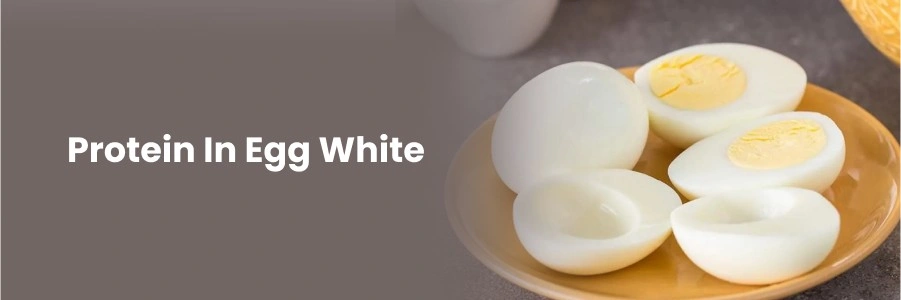
Egg whites, also known as albumen, are primarily composed of water and proteins. A single large egg white contains approximately 3.6 grams of protein, making it a concentrated source of this essential macronutrient. The proteins found in egg whites include ovalbumin, ovotransferrin, ovomucoid, and lysozyme, each contributing to the egg white's overall nutritional profile.
Protein Comparison: Egg White vs. Yolk
In contrast, the egg yolk contains about 2.7 grams of protein. While this is slightly less than the protein content in the egg white, it's important to consider the other nutrients present in the yolk. Egg yolks are rich in vitamins A, D, E, and K, as well as essential fatty acids. However, for those primarily focused on protein intake, particularly in the context of muscle building and weight management, egg whites present a more protein-dense option with fewer calories and fats.
Health Benefits of Egg White Protein
Muscle Building
One of the most significant benefits of egg white protein is its role in muscle building. Proteins are the building blocks of muscles, and consuming adequate amounts is crucial for muscle repair and growth. Egg white protein is classified as a complete protein, meaning it contains all nine essential amino acids that the body cannot produce on its own. This makes it an excellent choice for athletes and bodybuilders looking to enhance muscle protein synthesis.
Weight Management
In addition to its muscle-building properties, egg white protein can aid in weight management. Protein has a high satiety value, meaning it helps you feel fuller for longer. This can reduce overall calorie intake and assist in weight loss efforts. Moreover, egg whites are low in calories and contain no fat, making them an ideal food choice for those looking to cut down on caloric intake without sacrificing protein consumption.
Cardiovascular Health
Egg whites offer cardiovascular benefits due to their low cholesterol content. Unlike egg yolks, which are high in dietary cholesterol, egg whites contain virtually no cholesterol. For individuals with concerns about heart health or those advised to monitor their cholesterol intake, egg whites provide a heart-healthy protein source.
How to Cook Egg White for Protein
Simple Methods
Cooking egg whites is straightforward and can be done in various ways to preserve their protein content. Here are a few simple methods:
- Boiling: Boiling egg whites is one of the easiest methods. Simply separate the whites from the yolks and boil them until they are fully cooked.
- Poaching: Poaching egg whites in water with a splash of vinegar can yield a tender and protein-rich dish.
- Microwaving: For a quick option, egg whites can be microwaved. Place them in a microwave-safe dish and cook for about 2 minutes or until they are set.
Creative Recipes
For those looking to incorporate egg whites into their diet creatively, consider the following recipes:
- Egg White Omelette: Combine egg whites with vegetables and a sprinkle of cheese for a nutritious and protein-packed breakfast.
- Protein Pancakes: Mix egg whites with oats and a banana to create protein-rich pancakes.
- Smoothies: Add pasteurised egg whites to your favourite smoothie for an extra protein boost.
Egg White Protein in Diet
Incorporating Egg Whites into Meals
Incorporating egg whites into your diet can be a simple and effective way to boost protein intake. They can be added to various dishes, from breakfast to dinner, enhancing the nutritional value without adding excess calories or fat. For instance, using egg whites in baking can increase the protein content of cakes and muffins while maintaining a light texture.
Considerations and Precautions
While egg whites offer numerous benefits, it's essential to consume them as part of a balanced diet. Over-reliance on egg whites at the expense of other nutrient-rich foods can lead to nutritional imbalances. Additionally, individuals with egg allergies or sensitivities should avoid egg whites or consult with a healthcare provider before incorporating them into their diet.
Supplementing with Egg White Protein Powder
For those who require a more convenient source of protein, egg white protein powder is an excellent option. This supplement provides all the benefits of egg white protein in a portable and easy-to-use form. It can be mixed with water and milk, or added to smoothies and shakes, making it a versatile addition to any diet.
Your health is everything - prioritize your well-being today.
Schedule Your AppointmentConclusion
Egg whites are a powerhouse of protein, offering numerous health benefits, from muscle building to weight management and cardiovascular health. Whether consumed in its natural form or as a supplement, egg white protein is a valuable addition to any diet. By understanding the amount of protein in egg whites and how to cook them effectively, you can optimize your nutritional intake and support your health and fitness goals as with any dietary choice, balance and variety are key to reaping the full benefits.
Frequently Asked Questions
Egg whites contain about 3.6 grams of protein each, making them a low-calorie, high-protein food source.
Egg white protein is low in fat, high in essential amino acids, and supports muscle recovery and building.
Egg whites are mostly protein, while yolks contain fats and additional nutrients; both have unique health benefits.
Egg whites can be added to smoothies, used in omelets, or cooked alone as a protein-rich dish.
Cooking methods like boiling, poaching, or scrambling can preserve protein content while keeping calorie counts low.
Disclaimer: The information provided is accurate and up-to-date to the best of our knowledge. However, it should not be considered a substitute for medical advice or consultation. We do not guarantee its completeness or accuracy. The absence of specific warnings does not mean a medicine is safe for all users. We are not responsible for any outcomes based on this information and strongly recommend consulting a doctor for any medical concerns or questions.
- Cardiology
- Case Studies
- Dermatology
- Endocrinology
- ENT
- Fertility
- Gastroenterology
- General
- General-Medicine
- Gynecology
- Hematology
- Infectious-Diseases
- Medical News
- Neurology
- Oncology
- Ophthalmology
- Orthopedics
- Pediatrics
- Procedure
- Public-Health
- Pulmonology
- Radiology
- Second Opinion
- Urology
- Wellness
- Woman-and-child
Related Blogs
Still have questions? Speak with our experts now!
040-68334455


