 Call
Call Patient Reports
- Cardiology 84
- Dermatology 45
- Endocrinology 33
- ENT 16
- Fertility 190
- Gastroenterology 78
- General-Medicine 81
- Gynecology 80
- Hematology 19
- Infectious-Diseases 33
- Neurology 52
- Oncology 34
- Ophthalmology 23
- Orthopedics 69
- Pediatrics 31
- Procedure 23
- Public-Health 144
- Pulmonology 59
- Radiology 8
- Urology 68
- Wellness 161
- Woman-and-child 77
- 3759
- 3.5 Minute
Premature Ovarian Insufficiency: What Women Should Know at Medicover Hospitals
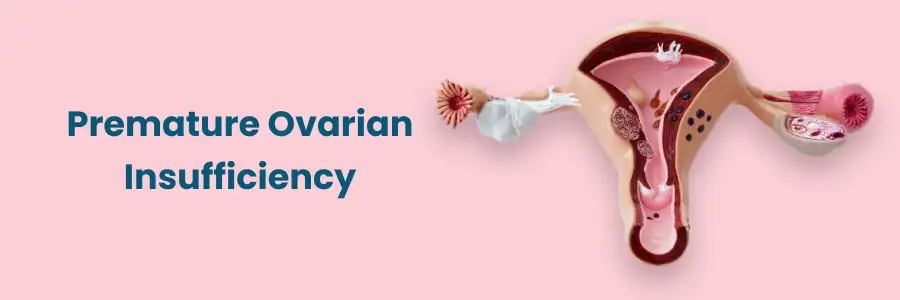
Premature ovarian insufficiency (POI) is a condition that affects many women, yet it often goes undiagnosed. Understanding its causes, symptoms, and treatment options is crucial for those affected. At Medicover Hospitals, we are committed to providing care and support for women with POI.
Get a second opinion from trusted experts and makeconfident, informed decisions.
Get Second OpinionNot sure where to start?
Talk to a patient care advisor — free, confidential, 24/7. We'll match you to the right specialist and book your appointment in minutes.
What is Premature Ovarian Insufficiency
Premature ovarian insufficiency, also known as premature ovarian failure, occurs when the ovaries stop functioning normally before the age of 40. This can lead to irregular periods or even complete cessation of menstruation, impacting fertility and overall health.
Causes of Premature Ovarian Insufficiency
There are several factors that can contribute to the development of POI:
- Genetic Factors: Some women may have a genetic predisposition to POI.
- Autoimmune Disorders: Conditions like thyroid disease or Addison's disease can affect ovarian function.
- Medical Treatments: Chemotherapy and radiation therapy can damage the ovaries.
- Infections: Certain viral and bacterial infections can lead to ovarian damage.
- Idiopathic Causes: In many cases, the cause of POI remains unknown.
Symptoms of Premature Ovarian Insufficiency
Recognizing the symptoms of POI is the first step towards diagnosis and management. Common symptoms include:
- Irregular Periods: Menstrual cycles may become irregular or stop altogether.
- Hot Flashes and Night Sweats: These are similar to symptoms experienced during menopause.
- Vaginal Dryness: Decreased estrogen levels can cause discomfort during intercourse.
- Mood Swings: Hormonal imbalances can lead to mood changes and irritability.
- Infertility: Difficulty conceiving is a significant concern for women with POI.
Diagnosing Premature Ovarian Insufficiency
A thorough evaluation is essential for diagnosing POI. At Medicover Hospitals, we use a combination of medical history, physical examination, and diagnostic tests to confirm the condition. These tests include:
- Blood Tests: To measure hormone levels, including follicle-stimulating hormone (FSH) and estradiol.
- Ultrasound: To assess the ovaries and check for any abnormalities.
- Genetic Testing: To identify any genetic factors that may contribute to POI.
Treatment Options for Premature Ovarian Insufficiency
While there is no cure for POI, various treatments can help manage the symptoms and improve quality of life. Treatment options include:
- Hormone Replacement Therapy (HRT): HRT can help alleviate symptoms like hot flashes, night sweats, and vaginal dryness by replenishing estrogen levels. It also helps in maintaining bone density and reducing the risk of osteoporosis.
- Fertility Treatments: For women who wish to conceive, fertility treatments such as in vitro fertilization (IVF) using donor eggs may be an option. Consulting with a fertility specialist at Medicover Hospitals can provide personalized guidance and support.
-
Lifestyle Changes: Adopting a healthy lifestyle can help manage POI symptoms. This includes:
- Balanced Diet: Consuming a diet rich in calcium and vitamin D to support bone health.
- Regular Exercise: Engaging in weight-bearing exercises to strengthen bones.
- Stress Management: Practicing relaxation techniques like yoga and meditation.
- Psychological Support: Coping with POI can be emotionally challenging. Seeking support from a counselor or joining a support group can provide emotional relief and connect you with others facing similar challenges.
Managing Premature Ovarian Insufficiency
Effective management of POI involves a holistic approach that addresses both physical and emotional well-being. Here are some tips for managing POI:
- Regular Check-Ups: Schedule regular visits with your healthcare provider to monitor your condition and adjust treatments as needed.
- Bone Health: Take steps to protect your bone health by incorporating calcium and vitamin D supplements, if recommended by your doctor.
- Stay Informed: Educate yourself about POI and stay updated on the latest research and treatment options.
- Build a Support Network: Surround yourself with supportive family, friends, and healthcare professionals who understand your condition.
Premature Ovarian Insufficiency and Fertility
One of the most significant concerns for women with POI is fertility. While spontaneous pregnancy is rare, it is not impossible. Fertility treatments, such as IVF with donor eggs, offer hope for women who wish to have children. Consulting with a fertility specialist at Medicover Hospitals can help you explore your options and create a plan to achieve your reproductive goals.
Health Tips for Women with Premature Ovarian Insufficiency
Living with POI requires attention to various aspects of health. Here are some tips to maintain overall well-being:
- Healthy Diet: Focus on a diet that supports hormonal balance and bone health.
- Exercise Regularly: Incorporate both aerobic and strength-training exercises into your routine.
- Avoid Smoking and Excessive Alcohol: These can exacerbate symptoms and negatively impact overall health.
- Monitor Mental Health: Pay attention to your emotional well-being and seek help if needed.
Your health is everything - prioritize your well-being today.
Schedule Your AppointmentConclusion
Premature ovarian insufficiency is a complex condition that requires a multifaceted approach to care. By understanding the causes, symptoms, and treatment options, women can take proactive steps to manage their health. At Medicover Hospitals, we are committed to providing the highest quality care and support for women with POI. If you have any concerns about your reproductive health, don't hesitate to reach out to our team for expert guidance and compassionate care.
Frequently Asked Questions
Symptoms include irregular periods, hot flashes, night sweats, vaginal dryness, and infertility at an early age.
Diagnosis is made through blood tests that measure hormone levels such as FSH and estradiol, alongside a full medical history.
It can be caused by genetic factors, autoimmune disorders, or treatments such as chemotherapy and radiation.
Yes, it can lead to reduced fertility due to the decline in ovarian function, though assisted reproductive technologies may help.
Hormone replacement therapy and fertility treatments are commonly used to manage symptoms and improve quality of life.
- Cardiology
- Case Studies
- Dermatology
- Endocrinology
- ENT
- Fertility
- Gastroenterology
- General
- General-Medicine
- Gynecology
- Hematology
- Infectious-Diseases
- Medical News
- Neurology
- Oncology
- Ophthalmology
- Orthopedics
- Pediatrics
- Procedure
- Public-Health
- Pulmonology
- Radiology
- Second Opinion
- Urology
- Wellness
- Woman-and-child
Related Blogs
Still have questions? Speak with our experts now!
040-68334455


