 Call
Call Patient Reports
- Cardiology 84
- Dermatology 45
- Endocrinology 33
- ENT 16
- Fertility 190
- Gastroenterology 78
- General-Medicine 81
- Gynecology 80
- Hematology 19
- Infectious-Diseases 33
- Neurology 52
- Oncology 34
- Ophthalmology 23
- Orthopedics 69
- Pediatrics 31
- Procedure 23
- Public-Health 144
- Pulmonology 59
- Radiology 8
- Urology 68
- Wellness 161
- Woman-and-child 77
- 3004
- 3.2 Minute
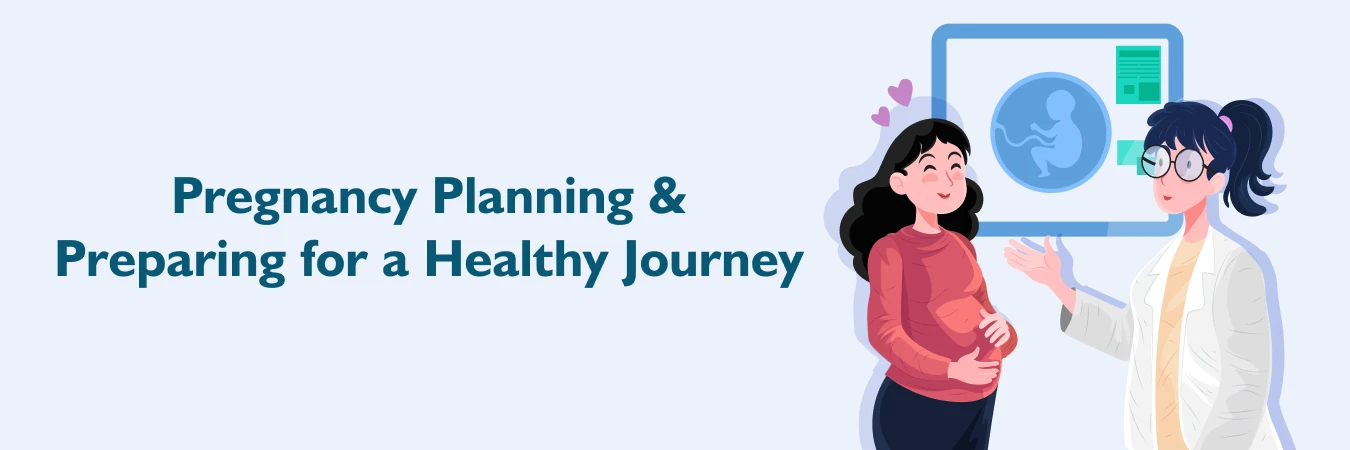
Healthy Pre Pregnancy Planning & Preparing Guide
The journey to parenthood is an exciting and transformative chapter in life. Pregnancy planning involves more than just conceiving; it's about ensuring the health and well-being of both the expectant mother and the growing baby.
In this comprehensive guide to healthy pregnancy, we'll explore the crucial steps to consider when planning for a healthy pregnancy, from preconception care to embracing the journey ahead.
Preconception Care: Laying the Foundation
Understand Your Health
Begin by evaluating your overall health. Address any chronic medical conditions, take necessary vaccinations, and ensure your weight and nutrition are within healthy ranges.
Consult a Healthcare Provider
Schedule a preconception appointment with your healthcare provider. They can assess your health, review medications, and provide guidance on optimizing your health for pregnancy.
Prenatal Vitamins
Start taking prenatal vitamins containing folic acid at least three months before conception. Folic acid aids in the prevention of birth abnormalities of the baby's brain and spine.
Lifestyle Modifications: Building a Healthy Environment
Nutrition
A nutritious diet rich in fruits, vegetables, whole grains, lean proteins, and dairy products is beneficial to both you and your baby. Avoid caffeine, alcohol, and certain high-mercury seafood.
Exercise
Participate in frequent physical activity that is appropriate for your fitness level. Walking, swimming, and prenatal yoga can promote strength, flexibility, and overall well-being.
Manage Stress
Stress reduction techniques like meditation, deep breathing, and relaxation exercises contribute to a positive pregnancy journey.
Understand Your Menstrual Cycle: Timing Matters
Ovulation Tracking
Understand your menstrual cycle and track ovulation to identify your fertile window, increasing the chances of conception.
Fertility Apps
Utilize fertility tracking apps or ovulation prediction kits to determine the best time to conceive.
Healthy Habits for Both Partners: Teamwork for Success
Partner's Health
Remember that the health of both partners contributes to a successful pregnancy. Encourage your partner to adopt healthy habits as well.
Quit Smoking
If either partner smokes, quitting is crucial. Smoking can harm fertility and pose risks to the baby's health during pregnancy.
Medical History and Genetic Screening: Informed Decision-Making
Genetic Counseling
Consider genetic counseling, especially if you have a family history of genetic conditions. This helps you understand potential risks and make informed choices.
Screening Tests
Undergo necessary tests for sexually transmitted infections (STIs), immunity to diseases, and any other conditions that might impact your pregnancy.
Mental and Emotional Well-being: Nurturing a Positive Mindset
Support System
Surround yourself with a strong support system of family and friends who can offer encouragement and guidance.
Seek Help
If you have a history of mental health conditions, seek professional help to ensure your emotional well-being during pregnancy.
Financial and Practical Preparedness: Planning Ahead
Insurance Coverage
Review your health insurance policy to understand the coverage for prenatal care and childbirth.
Budgeting
Plan your finances, considering the costs of prenatal care, medical visits, birthing classes, and baby essentials.
Prepare for a Healthy Pregnancy: Embrace the Journey
Regular Check-ups
Once you conceive, schedule regular prenatal check-ups with your healthcare provider to monitor your health and the baby's development.
Education
Attend prenatal classes to learn about childbirth, breastfeeding, and newborn care.
Nutrition
Continue to eat a balanced diet and take prenatal vitamins as recommended by your healthcare provider.
Exercise
Modify your exercise routine to ensure safety and engage in activities recommended for pregnant women.
Conclusion
Pregnancy planning is a thoughtful and proactive process that sets the stage for a healthy and fulfilling journey to parenthood.
By prioritizing your health, making necessary lifestyle adjustments, understanding your menstrual cycle, addressing medical history, and preparing both physically and emotionally, you can ensure the best possible start for your baby.
Embrace this incredible chapter with the knowledge that you're taking all the right steps for a safe and joyous pregnancy experience.
Your health is everything - prioritize your well-being today.
Schedule Your AppointmentFrequently Asked Questions
Pregnancy planning ensures that you and your baby are in the best possible health before conception. It involves making lifestyle changes, addressing medical concerns, and creating a supportive environment for a healthy pregnancy.
It's ideal to start preconception care at least three months before trying to conceive. This gives you time to optimize your health, address any medical issues, and begin taking prenatal vitamins.
During a preconception appointment, your healthcare provider will review your medical history, update vaccinations, discuss medications, and provide advice on nutrition, exercise, and supplements.
Nutrition is crucial as it provides the necessary nutrients for a healthy pregnancy. A balanced diet rich in vitamins, minerals, and protein supports your well-being and the baby's development.
Yes, regular exercise is beneficial during pregnancy planning. Engaging in low-impact activities like walking and prenatal yoga can improve fitness and overall health.
You can track ovulation through methods like basal body temperature charting, cervical mucus monitoring, or using ovulation predictor kits. These help identify your fertile window for conception.
Encourage your partner to adopt a healthy lifestyle, quit smoking if necessary, and consider preconception check-ups to address any medical concerns.
The time it takes for your menstrual cycle to regulate after stopping birth control varies. It's advisable to wait for a couple of regular cycles before actively trying to conceive.
If you have a history of mental health conditions, consult with a mental health professional before and during pregnancy. They can help you manage your emotional well-being.
Yes, financial preparedness is crucial. Plan for medical costs, prenatal care, birthing classes, and baby essentials. Review your health insurance to understand coverage.
Yes, prenatal vitamins are essential throughout pregnancy to ensure you're getting vital nutrients. Consult your healthcare provider to ensure you're taking the right dosage and type.
- Cardiology
- Case Studies
- Dermatology
- Endocrinology
- ENT
- Fertility
- Gastroenterology
- General
- General-Medicine
- Gynecology
- Hematology
- Infectious-Diseases
- Medical News
- Neurology
- Oncology
- Ophthalmology
- Orthopedics
- Pediatrics
- Procedure
- Public-Health
- Pulmonology
- Radiology
- Second Opinion
- Urology
- Wellness
- Woman-and-child
Related Blogs
Still have questions? Speak with our experts now!
040-68334455


