 Call
Call Patient Reports
- Cardiology 84
- Dermatology 45
- Endocrinology 33
- ENT 16
- Fertility 190
- Gastroenterology 78
- General-Medicine 81
- Gynecology 80
- Hematology 19
- Infectious-Diseases 33
- Neurology 52
- Oncology 34
- Ophthalmology 23
- Orthopedics 69
- Pediatrics 31
- Procedure 23
- Public-Health 144
- Pulmonology 59
- Radiology 8
- Urology 68
- Wellness 161
- Woman-and-child 77
- 3759
- 3.5 Minute
Understanding Pilonidal Cysts: Causes and Treatments
Pilonidal cysts, while not widely discussed, are a common condition that affects many individuals. These cysts can cause significant discomfort and, if left untreated, may lead to severe complications. Understanding the causes, symptoms, and treatment options for pilonidal cysts is crucial for effective management and prevention.
What Are Pilonidal Cysts?
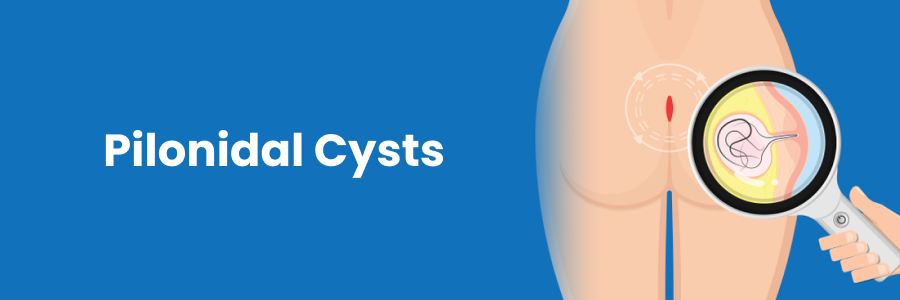
Pilonidal cysts are abnormal pockets in the skin that typically contain hair and skin debris. They are usually located near the tailbone, at the top of the cleft of the buttocks. These cysts can become infected, leading to the formation of an abscess. When this occurs, the area becomes painful and swollen, and the infection can cause a foul-smelling discharge.
Get a second opinion from trusted experts and makeconfident, informed decisions.
Get Second OpinionNot sure where to start?
Talk to a patient care advisor — free, confidential, 24/7. We'll match you to the right specialist and book your appointment in minutes.
Causes of Pilonidal Cysts
The exact cause of pilonidal cysts is not entirely understood, but several factors are believed to contribute to their development:
- Ingrown Hairs: One of the leading theories suggests that pilonidal cysts are caused by ingrown hairs. The hair penetrates the skin, causing an inflammatory response that leads to the formation of a cyst.
- Friction and Pressure: Prolonged sitting, wearing tight clothing, or activities that involve repetitive motion can create friction and pressure on the tailbone area, increasing the likelihood of developing a cyst.
- Hormonal Changes: Pilonidal cysts are more common in young adults, suggesting that hormonal changes during puberty may play a role in their development.
- Genetic Predisposition: A family history of pilonidal cysts can increase the risk of developing the condition.
Symptoms of Pilonidal Cysts
The symptoms of pilonidal cysts can vary depending on whether the cyst is infected. Common symptoms include:
- Pain and Swelling: The area around the cyst becomes tender, swollen, and may feel warm to the touch.
- Redness and Inflammation: The skin around the cyst may appear red and inflamed.
- Drainage: If the cyst becomes infected, it may produce a foul-smelling discharge that can be bloody or pus-like.
- Fever: In some cases, an infected cyst can lead to fever and other systemic symptoms.
Diagnosis of Pilonidal Cysts
Diagnosis of pilonidal cysts usually involves a physical examination by a healthcare provider. During the examination, the provider will inspect the affected area and may press on the cyst to check for discharge or tenderness. In some cases, imaging studies such as ultrasound or MRI may be used to assess the extent of the infection and to rule out other conditions.
Treatment Options for Pilonidal Cysts
Treatment for pilonidal cysts depends on the severity of the condition. Options range from conservative management to surgical intervention.
Conservative Management
For mild cases, conservative management may be sufficient. This includes:
- Warm Compresses: Applying warm compresses to the affected area can help reduce pain and inflammation.
- Topical Antibiotics: Over-the-counter or prescription antibiotic ointments can be applied to prevent infection.
- Good Hygiene: Keeping the area clean and dry is essential to prevent further irritation and infection.
Surgical Treatment
For more severe cases or recurrent cysts, surgical intervention may be necessary. Surgical options include:
- Incision and Drainage: This procedure involves making a small incision in the cyst to drain the pus and debris. This is usually a temporary solution and may need to be repeated if the cyst recurs.
- Excision: In this procedure, the entire cyst and surrounding tissue are surgically removed. This is a more definitive treatment but may require a longer recovery period.
- Marsupialization: This technique involves creating a pouch from the cyst cavity to allow for continuous drainage, which can help prevent recurrence.
Prevention Strategies for Pilonidal Cysts
While not all pilonidal cysts can be prevented, certain strategies can reduce the risk of developing them:
- Maintain Good Hygiene: Regularly cleaning the area around the tailbone can help prevent the accumulation of hair and debris.
- Avoid Prolonged Sitting: Taking breaks from sitting and using cushioned seating can reduce pressure on the tailbone area.
- Wear Loose Clothing: Avoiding tight clothing can reduce friction and irritation.
- Hair Removal: Removing hair from the tailbone area through shaving or laser hair removal can reduce the risk of ingrown hairs.
Home Remedies for Pilonidal Cysts
In addition to medical treatments, several home remedies can help manage symptoms and promote healing:
- Warm Baths: Soaking in a warm bath can help relieve pain and reduce inflammation.
- Tea Tree Oil: Known for its antibacterial properties, applying diluted tea tree oil to the cyst can help prevent infection.
- Turmeric Paste: Turmeric has anti-inflammatory properties. Applying a paste made from turmeric powder and water can help reduce swelling.
Your health is everything - prioritize your well-being today.
Schedule Your AppointmentRisk Factors for Pilonidal Cysts
Several factors can increase the risk of developing pilonidal cysts:
- Age: Pilonidal cysts are most common in young adults, particularly those between the ages of 15 and 30.
- Gender: Males are more likely to develop pilonidal cysts than females.
- Obesity: Excess weight can increase pressure on the tailbone area.
- Sedentary Lifestyle: Prolonged periods of sitting can increase the risk of developing cysts.
- Family History: A genetic predisposition can increase the likelihood of developing pilonidal cysts.
Conclusion
Pilonidal cysts, though often uncomfortable and inconvenient, can be effectively managed with proper understanding and treatment. By recognizing the symptoms early and seeking appropriate medical care, individuals can reduce the risk of complications and improve their quality of life. Implementing preventative measures and exploring both medical and home remedies can provide relief and help prevent recurrence. If you suspect you have a pilonidal cyst, consult with a healthcare provider for an accurate diagnosis and personalized treatment plan.
Frequently Asked Questions
Pilonidal cysts form when hair becomes embedded under the skin, often at the base of the spine, leading to infection and inflammation.
Symptoms include swelling, pain, redness, and sometimes pus or blood drainage from the cyst.
Diagnosis is made through physical examination, sometimes supported by imaging if the cyst is deep or recurrent.
Treatment includes draining the cyst, antibiotics, or in severe cases, surgical removal. Home care involves keeping the area clean and free of hair.
Yes, pilonidal cysts can recur if hair continues to embed under the skin, but maintaining hygiene and regular hair removal can reduce the risk.
- Cardiology
- Case Studies
- Dermatology
- Endocrinology
- ENT
- Fertility
- Gastroenterology
- General
- General-Medicine
- Gynecology
- Hematology
- Infectious-Diseases
- Medical News
- Neurology
- Oncology
- Ophthalmology
- Orthopedics
- Pediatrics
- Procedure
- Public-Health
- Pulmonology
- Radiology
- Second Opinion
- Urology
- Wellness
- Woman-and-child
Related Blogs
Still have questions? Speak with our experts now!
040-68334455


