 Call
Call Patient Reports
- Cardiology 84
- Dermatology 45
- Endocrinology 33
- ENT 16
- Fertility 190
- Gastroenterology 78
- General-Medicine 81
- Gynecology 80
- Hematology 19
- Infectious-Diseases 33
- Neurology 52
- Oncology 34
- Ophthalmology 23
- Orthopedics 69
- Pediatrics 31
- Procedure 23
- Public-Health 144
- Pulmonology 59
- Radiology 8
- Urology 68
- Wellness 161
- Woman-and-child 77
- 3759
- 3.5 Minute
Causes of Pelvic Floor Dysfunction in Women
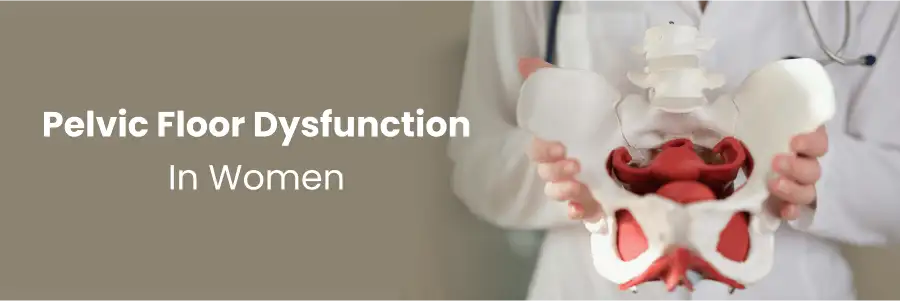
Pelvic floor dysfunction in women is a condition that affects many, yet it often goes undiagnosed and untreated. The pelvic floor is a group of muscles and tissues that support the bladder, uterus, and rectum. When these muscles and tissues weaken or become injured, it can lead to various problems, including urinary incontinence, pelvic pain, and bowel issues.
Understanding the causes of pelvic floor dysfunction can help in its prevention and treatment. This article explores the common risk factors and reasons behind pelvic floor muscle problems in women.
Get a second opinion from trusted experts and makeconfident, informed decisions.
Get Second OpinionNot sure where to start?
Talk to a patient care advisor — free, confidential, 24/7. We'll match you to the right specialist and book your appointment in minutes.
What is Pelvic Floor Dysfunction?
Before diving into the causes, it's important to understand what pelvic floor dysfunction is. The pelvic floor muscles act like a sling, supporting the pelvic organs. When these muscles are too weak or too tight, they can't support these organs properly. This can lead to a range of symptoms, such as:
- Urinary incontinence
- Pain during intercourse
- Pelvic pain
- Bowel control issues
Common Causes of Pelvic Floor Dysfunction in Women
Childbirth and Pelvic Dysfunction
Childbirth is one of the most common causes of pelvic floor dysfunction in women. During vaginal delivery, the pelvic floor muscles and tissues can stretch and tear, leading to weakness and dysfunction. The risk increases with:
- Multiple births
- Large babies
- Prolonged labor
- Use of forceps or vacuum during delivery
Hormonal Changes
Hormonal changes, especially during menopause, can also impact the pelvic floor. Estrogen helps keep the pelvic tissues strong and elastic. As estrogen levels drop during menopause, these tissues can weaken, leading to pelvic floor dysfunction. Hormonal impact on pelvic floor health is a significant factor, especially for women over the age of 50.
Obesity
Excess weight puts additional pressure on the pelvic floor muscles, leading to their weakening over time. Obesity is a significant risk factor for developing pelvic floor dysfunction. Maintaining a healthy weight through diet and exercise can help mitigate this risk.
Chronic Coughing
Conditions that cause chronic coughing, such as asthma, bronchitis, or smoking, can strain the pelvic floor muscles. Persistent coughing increases the pressure on these muscles, which can lead to their weakening and dysfunction.
Heavy Lifting
Regularly lifting heavy objects can also strain the pelvic floor muscles. This includes not only physical labor jobs but also weightlifting and certain types of exercise. Proper lifting techniques and strengthening exercises can help reduce the risk.
Surgery
Pelvic surgeries, such as hysterectomies, can damage the pelvic floor muscles and nerves. This can lead to dysfunction and symptoms like urinary incontinence and pelvic pain.
Aging
As women age, their muscle mass and strength naturally decrease. This includes the pelvic floor muscles. Aging is a natural but significant risk factor for pelvic floor dysfunction. Regular pelvic floor exercises, like Kegels, can help maintain muscle strength.
Genetics
Some women are genetically predisposed to pelvic floor dysfunction. If you have a family history of pelvic floor problems, you may be at a higher risk.
Lifestyle Factors Contributing to Pelvic Floor Dysfunction
Diet and Hydration
A poor diet, especially one low in fiber, can lead to constipation. Straining during bowel movements can weaken the pelvic floor muscles. Staying hydrated and eating a balanced diet rich in fiber can help maintain pelvic health.
Physical Activity
While heavy lifting can be a risk factor, a lack of physical activity can also contribute to pelvic floor dysfunction. Regular exercise, including pelvic floor exercises, can help keep these muscles strong and functional.
Smoking
Smoking is not only a risk factor for chronic coughing but also directly impacts tissue health. Nicotine can weaken tissues, including those of the pelvic floor. Quitting smoking can improve overall health and reduce the risk of pelvic floor problems.
Symptoms of Pelvic Floor Dysfunction
Understanding the symptoms can help in early diagnosis and treatment. Common symptoms include:
- Frequent urination or urgency
- Inability to control bowel movements
- Pain in the lower back or pelvic region
- Pain during intercourse
- A feeling of heaviness in the pelvic area
If you experience any of these symptoms, it's important to consult a healthcare provider for a proper diagnosis and treatment plan.
Treatment Options for Pelvic Floor Dysfunction
Physical Therapy
Pelvic floor physical therapy is often the first line of treatment. A physical therapist can guide you through exercises to strengthen the pelvic floor muscles and improve function.
Medications
In some cases, medications may be prescribed to manage symptoms such as urinary incontinence or pain. Hormone replacement therapy may also be considered for postmenopausal women.
Surgery
For severe cases, surgical options may be considered. Procedures can range from minimally invasive surgeries to more extensive repairs, depending on the severity of the dysfunction.
Lifestyle Changes
Making lifestyle changes can also help manage and prevent pelvic floor dysfunction. These include:
- Maintaining a healthy weight
- Quitting smoking
- Avoiding heavy lifting
- Staying hydrated and eating a high-fiber diet
Preventing Pelvic Floor Dysfunction
While some risk factors like aging and genetics can't be controlled, there are steps you can take to reduce your risk of pelvic floor dysfunction:
- Perform regular pelvic floor exercises, such as Kegels
- Maintain a healthy weight
- Practice good lifting techniques
- Stay hydrated and eat a balanced diet
- Avoid smoking and manage chronic cough conditions
Your health is everything - prioritize your well-being today.
Schedule Your AppointmentConclusion
Pelvic floor dysfunction is a common issue that can significantly impact a woman's quality of life. Understanding the causes and risk factors can help in early diagnosis and effective treatment.
By making lifestyle changes and seeking appropriate medical care, you can manage and even prevent pelvic floor dysfunction. If you experience symptoms, consult a healthcare provider to discuss the best treatment options for you.
Frequently Asked Questions
Causes include childbirth, hormonal changes, aging, and pelvic trauma.
Issues include urinary incontinence, pelvic pain, and difficulty with bowel movements.
Childbirth can stretch or damage pelvic floor muscles, leading to dysfunction.
Risk factors include aging, obesity, chronic constipation, and repetitive heavy lifting.
Hormonal changes, particularly during menopause, can weaken pelvic floor muscles and tissues.
- Cardiology
- Case Studies
- Dermatology
- Endocrinology
- ENT
- Fertility
- Gastroenterology
- General
- General-Medicine
- Gynecology
- Hematology
- Infectious-Diseases
- Medical News
- Neurology
- Oncology
- Ophthalmology
- Orthopedics
- Pediatrics
- Procedure
- Public-Health
- Pulmonology
- Radiology
- Second Opinion
- Urology
- Wellness
- Woman-and-child
Related Blogs
Still have questions? Speak with our experts now!
040-68334455


