 Call
Call Patient Reports
- Cardiology 84
- Dermatology 45
- Endocrinology 33
- ENT 16
- Fertility 190
- Gastroenterology 78
- General-Medicine 81
- Gynecology 80
- Hematology 19
- Infectious-Diseases 33
- Neurology 52
- Oncology 34
- Ophthalmology 23
- Orthopedics 69
- Pediatrics 31
- Procedure 23
- Public-Health 144
- Pulmonology 59
- Radiology 8
- Urology 68
- Wellness 161
- Woman-and-child 77
- 3759
- 3.5 Minute
Understanding the Progression of Parkinson's Disease
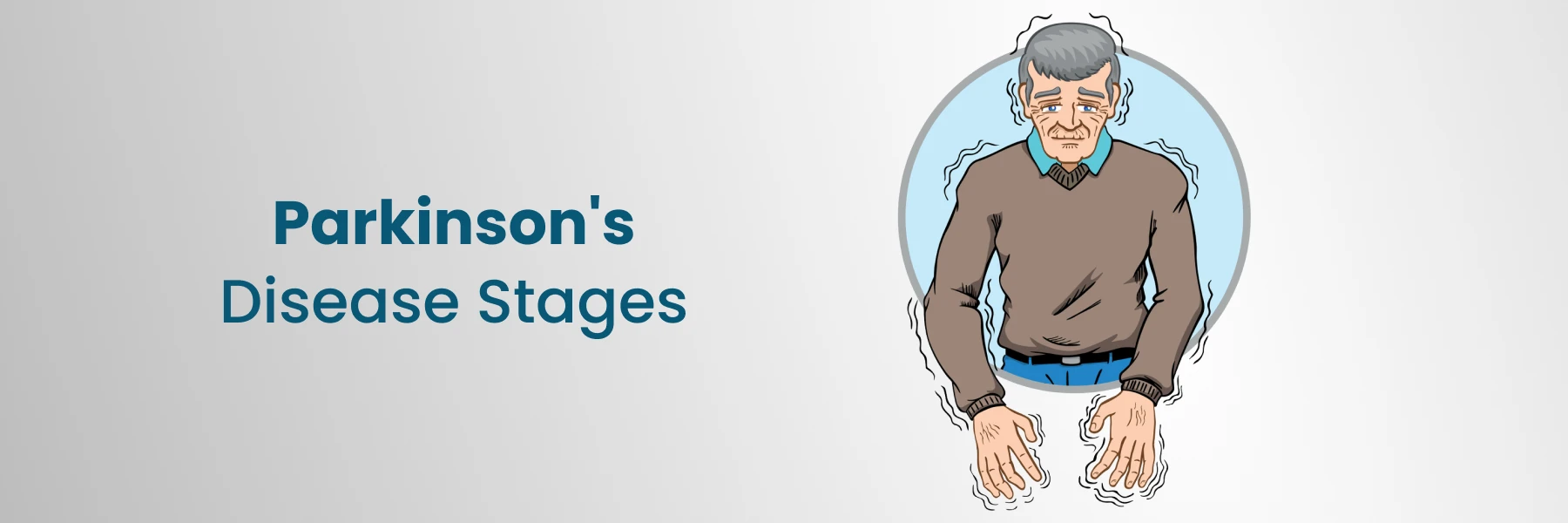
Parkinson's disease, a progressive nervous system disorder that affects movement, can be better managed when its progression is understood. This knowledge empowers patients, caregivers, and healthcare providers, enabling them to navigate the condition more effectively. This article will delve into the five stages of Parkinson's disease, detailing the symptoms and treatment options at each stage.
Get a second opinion from trusted experts and makeconfident, informed decisions.
Get Second OpinionNot sure where to start?
Talk to a patient care advisor — free, confidential, 24/7. We'll match you to the right specialist and book your appointment in minutes.
What Are the 5 Stages of Parkinson's Disease?
Parkinson's disease is typically divided into five stages. Each stage marks a progression in the severity of symptoms and their impact on daily life. Knowing these stages can help in planning treatment and care.
Stage 1: Early Stages of Parkinson's Disease
In the early stages of Parkinson's disease, symptoms are mild and typically affect only one side of the body. Common symptoms include slight tremors, stiffness, and slower movement. At this stage, the symptoms are often so minor that they might be mistaken for typical signs of ageing.
Symptoms
- Mild tremors, usually in one hand
- Slight stiffness
- Minor changes in facial expressions
- Subtle changes in posture and balance
Treatment
Medications like Levodopa and Dopamine agonists are often prescribed to manage symptoms. Physical therapy can also help maintain mobility and flexibility.
Stage 2: Symptoms Become Bilateral
In Stage 2, the symptoms start to affect both sides of the body. Daily activities become more challenging, but the person is still able to live independently.
Symptoms
- Tremors and stiffness on both sides of the body
- More noticeable changes in posture and walking
- Increased difficulty with everyday tasks
Treatment
Along with medications, occupational therapy can be beneficial. Exercise is also crucial to maintain physical function.
Stage 3: Mid-Stage Parkinson's Disease
Stage 3 is considered mid-stage Parkinson's disease. Here, the symptoms become more severe, and there's a significant impact on daily activities.
Symptoms
- Loss of balance and slowness of movement
- Falls become more common
- Difficulty with activities like dressing and eating
Treatment
Medications are adjusted to manage worsening symptoms. Physical and occupational therapy has become even more critical.
Stage 4: Severe Symptoms
Stage 4 marks a severe stage of Parkinson's disease. The symptoms are debilitating, and the person usually cannot live alone.
Symptoms
- Severe motor symptoms
- Difficulty standing without assistance
- Need for help with daily activities
Treatment
In addition to medications and therapies, assistive devices like walkers or wheelchairs may be necessary. Deep brain stimulation (DBS) surgery might be considered.
Stage 5: Final Stages of Parkinson's Disease
The final stage of Parkinson's disease is the most severe. The person is usually bedridden or confined to a wheelchair, requiring 24-hour care.
Symptoms
- Severe stiffness and difficulty in swallowing
- Hallucinations and delusions
- Inability to stand or walk
Treatment
At this stage, palliative care becomes the focus, aiming to improve the quality of life. Medications are used to manage symptoms, and a feeding tube may be necessary for those who have difficulty swallowing.
Parkinson's Disease Stages Timeline
The timeline for the progression of Parkinson's disease varies from person to person. On average, it takes about 10 to 20 years for the disease to progress through all five stages. However, some may experience a faster progression, while others might have a slower one. This variability is a key aspect of the disease and is important to acknowledge in understanding and managing Parkinson's.
Your health is everything - prioritize your well-being today.
Schedule Your AppointmentParkinson's Disease Treatment Options
While there is no cure for Parkinson's disease, various treatments can help manage symptoms and improve quality of life.
Medications
- Levodopa: Converts into dopamine in the brain, helping to control movement.
- Dopamine agonists: Mimic the effects of dopamine.
- MAO-B inhibitors: Help prevent the breakdown of brain dopamine.
Therapies
- Physical therapy: Helps maintain mobility and flexibility.
- Occupational therapy: Assists with daily activities.
- Speech therapy: Helps with speech and swallowing difficulties.
Surgical Options
- Deep Brain Stimulation (DBS): Involves implanting electrodes in the brain to reduce symptoms.
Conclusion
Understanding the progression of Parkinson's disease is crucial for effective management and care. By recognizing the symptoms and knowing the treatment options at each stage, patients and caregivers can better navigate this challenging condition. Remember, you are not alone in this journey. Healthcare providers are there to support you and develop a personalized treatment plan that best suits your needs.
Frequently Asked Questions
Stress, illness, lack of sleep, and certain medications can worsen symptoms of Parkinson's disease.
The 5 stages of Parkinson's are: Stage 1 (mild symptoms), Stage 2 (moderate symptoms), Stage 3 (mid-stage symptoms), Stage 4 (advanced symptoms), and Stage 5 (severe symptoms).
The average age of death for people with Parkinson's disease varies, but it is often related to complications of the disease or other health conditions.
Parkinson's disease is chronic and progressive, so there is no known cure. Treatment aims to manage symptoms and improve quality of life.
The progression of Parkinson's disease varies widely among individuals. It can take years or even decades to progress from Stage 1 to Stage 4, depending on the person's health and response to treatment.
- Cardiology
- Case Studies
- Dermatology
- Endocrinology
- ENT
- Fertility
- Gastroenterology
- General
- General-Medicine
- Gynecology
- Hematology
- Infectious-Diseases
- Medical News
- Neurology
- Oncology
- Ophthalmology
- Orthopedics
- Pediatrics
- Procedure
- Public-Health
- Pulmonology
- Radiology
- Second Opinion
- Urology
- Wellness
- Woman-and-child
Related Blogs
Still have questions? Speak with our experts now!
040-68334455


