 Call
Call Patient Reports
- Cardiology 84
- Dermatology 45
- Endocrinology 33
- ENT 16
- Fertility 190
- Gastroenterology 78
- General-Medicine 81
- Gynecology 80
- Hematology 19
- Infectious-Diseases 33
- Neurology 52
- Oncology 34
- Ophthalmology 23
- Orthopedics 69
- Pediatrics 31
- Procedure 23
- Public-Health 144
- Pulmonology 59
- Radiology 8
- Urology 68
- Wellness 161
- Woman-and-child 77
- 3759
- 3.5 Minute
Overview of Ovarian Hyperstimulation Syndrome
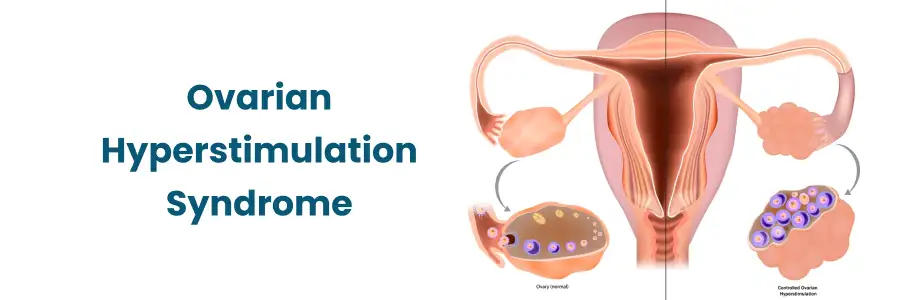
Ovarian Hyperstimulation Syndrome (OHSS) is a condition that sometimes occurs in women undergoing fertility treatments. Understanding the causes, symptoms, and treatment options for OHSS can help women and their families navigate this challenging condition. At Medicover Hospitals, we are dedicated to providing comprehensive care and support for women experiencing OHSS.
Get a second opinion from trusted experts and makeconfident, informed decisions.
Get Second OpinionNot sure where to start?
Talk to a patient care advisor — free, confidential, 24/7. We'll match you to the right specialist and book your appointment in minutes.
What is Ovarian Hyperstimulation Syndrome?
Ovarian Hyperstimulation Syndrome (OHSS) is a medical condition that can develop as a side effect of fertility treatments, particularly those involving hormonal medications used to stimulate the ovaries. These medications encourage the ovaries to produce multiple eggs for retrieval and fertilization. In some cases, the ovaries respond too vigorously, leading to OHSS.
Causes of Ovarian Hyperstimulation Syndrome
OHSS is primarily caused by an excessive response to fertility medications. The most common medications linked to OHSS include:
Gonadotropins
These hormones, such as human chorionic gonadotropin (hCG), are used to trigger ovulation. In some women, gonadotropins can overstimulate the ovaries, causing them to swell and release fluid.
Clomiphene Citrate
This oral medication is another drug that can lead to OHSS. It stimulates the release of hormones necessary for ovulation.
Risk Factors
Certain factors can increase the risk of developing OHSS, including:
- Age under 30
- Polycystic ovary syndrome (PCOS)
- High levels of estradiol before the hCG trigger shot
- History of OHSS in previous cycles
Understanding these risk factors can help healthcare providers at Medicover Hospitals tailor treatment plans to minimize the risk of OHSS.
Symptoms of Ovarian Hyperstimulation Syndrome
The symptoms of OHSS can vary from mild to severe. Recognizing the signs early can help manage the condition effectively.
Mild Symptoms
Moderate Symptoms
- Excessive weight gain (more than 2 pounds in 24 hours)
- Severe abdominal pain
- Persistent nausea and vomiting
- Reduced urine output
Severe Symptoms
- Rapid weight gain (more than 2 pounds per day)
- Severe abdominal pain and bloating
- Shortness of breath
- Blood clots
- Decreased kidney function
If you experience any severe symptoms, it's crucial to seek immediate medical attention. Medicover Hospitals provides emergency care and treatment for women with severe OHSS.
Diagnosing Ovarian Hyperstimulation Syndrome
Diagnosing OHSS involves a combination of medical history, physical examination, and diagnostic tests. At Medicover Hospitals, our healthcare providers use the following methods to diagnose OHSS:
Medical History
A thorough review of your medical history, including any fertility treatments and medications, helps in assessing the risk of OHSS.
Physical Examination
A physical examination focuses on identifying signs of fluid accumulation, such as abdominal bloating and tenderness.
Ultrasound
An ultrasound examination of the ovaries can reveal their size and the presence of fluid-filled cysts.
Blood Tests
Blood tests measure hormone levels and assess kidney and liver function, which can be affected by OHSS.
Treatment for Ovarian Hyperstimulation Syndrome
Treatment for OHSS depends on the severity of the symptoms. At Medicover Hospitals, we offer a range of treatment options to manage OHSS effectively.
Mild to Moderate OHSS
For mild to moderate cases, treatment may include:
- Rest: Limiting physical activity can help reduce symptoms.
- Hydration: Drinking plenty of fluids helps prevent dehydration.
- Pain Relief: Over-the-counter pain relievers, such as acetaminophen, can alleviate discomfort.
- Monitoring: Regular follow-up appointments to monitor symptoms and prevent progression.
Severe OHSS
Severe OHSS requires more intensive treatment, including:
- Hospitalization: Admission to the hospital for close monitoring and treatment.
- Intravenous Fluids: IV fluids help maintain hydration and electrolyte balance.
- Medications: Medications to reduce ovarian activity and manage symptoms.
- Paracentesis: In some cases, a procedure to remove excess fluid from the abdomen may be necessary.
Preventing Ovarian Hyperstimulation Syndrome
Preventing OHSS is a priority at Medicover Hospitals. Strategies to reduce the risk include:
Individualized Treatment Plans
Tailoring fertility treatment plans to each patient's specific needs and risk factors can help minimize the risk of OHSS.
Low-Dose Medications
Using the lowest effective dose of fertility medications reduces the likelihood of overstimulation.
Monitoring
Regular monitoring of hormone levels and ovarian response during treatment helps detect early signs of OHSS.
Coasting
Temporarily stopping fertility medications for a few days ("coasting") can help reduce the risk of OHSS.
Managing Ovarian Hyperstimulation Syndrome
Managing OHSS involves ongoing care and support. At Medicover Hospitals, our team of specialists provides comprehensive care to help women manage OHSS effectively.
Supportive Care
Emotional and psychological support is essential for women experiencing OHSS. Our healthcare providers offer counseling and support services to help women cope with the stress and anxiety associated with the condition.
Follow-Up Care
Regular follow-up appointments ensure that any complications are promptly addressed. Our team monitors your progress and adjusts treatment plans as needed.
Education and Awareness
Educating patients about the signs and symptoms of OHSS and the importance of early intervention empowers women to seek timely medical attention.
Your health is everything - prioritize your well-being today.
Schedule Your AppointmentConclusion
Ovarian Hyperstimulation Syndrome is a challenging condition that requires specialized care and attention. At Medicover Hospitals, we are committed to providing comprehensive care and support for women experiencing OHSS. By understanding the causes, symptoms, and treatment options, women and their families can navigate this condition with confidence and hope.
If you suspect you have OHSS or are undergoing fertility treatments and want to learn more, contact Medicover Hospitals for expert guidance and care.
Frequently Asked Questions
Ovarian hyperstimulation syndrome (OHSS) is a condition that can occur after taking fertility medications. It involves the ovaries becoming swollen and painful, which can lead to fluid accumulation in the abdomen and other complications.
OHSS is primarily caused by fertility medications, especially those that stimulate the ovaries to produce multiple eggs. The condition can be exacerbated by certain hormones, such as human chorionic gonadotropin (hCG), used in fertility treatments.
Symptoms of OHSS include abdominal pain, bloating, nausea, vomiting, diarrhea, and weight gain. In severe cases, symptoms can escalate to difficulty breathing, decreased urination, and rapid weight gain due to fluid buildup.
Treatment for OHSS varies depending on the severity. Mild cases may resolve on their own with supportive care, including hydration and pain management. Severe cases may require hospitalization for intravenous fluids, medications to manage symptoms, and monitoring to prevent complications.
While OHSS can be difficult to prevent entirely, managing fertility treatments carefully, adjusting medication dosages, and monitoring ovarian response can help reduce the risk. Physicians may also recommend alternative treatment strategies if a high risk for OHSS is identified.
- Cardiology
- Case Studies
- Dermatology
- Endocrinology
- ENT
- Fertility
- Gastroenterology
- General
- General-Medicine
- Gynecology
- Hematology
- Infectious-Diseases
- Medical News
- Neurology
- Oncology
- Ophthalmology
- Orthopedics
- Pediatrics
- Procedure
- Public-Health
- Pulmonology
- Radiology
- Second Opinion
- Urology
- Wellness
- Woman-and-child
Related Blogs
Still have questions? Speak with our experts now!
040-68334455


