 Call
Call Patient Reports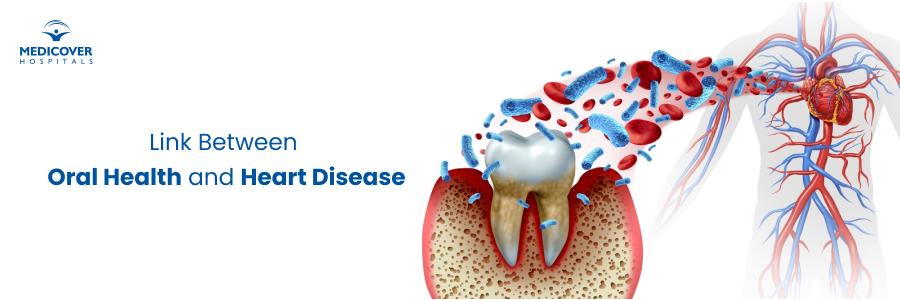
- 3759
- 3.5 Minute
Link Between Oral Health and Heart Disease
Are you aware of how your oral health can impact your heart? Do you ever wonder if your gum disease could lead to heart complications? The link between oral health and heart disease is a crucial aspect of overall well-being that often gets overlooked. The ramifications of neglecting your oral hygiene can extend beyond your mouth, affecting your cardiovascular health and daily activities.
Gum Disease and Heart Disease
Research has shown a significant association between gum disease and heart disease. The bacteria from inflamed gums can enter the bloodstream, leading to an increase in systemic inflammation and potentially contributing to the development of cardiovascular issues. Individuals with gum disease may have a higher risk of heart attacks, strokes, and other heart-related problems. Maintaining good oral hygiene practices, such as regular brushing, flossing, and dental check-ups, is essential in reducing this risk.
- regular dental cleanings can help prevent the progression of gum disease and reduce the chances of it affecting your heart.
- Consult with your dentist about the best oral care routine tailored to your specific needs and conditions.
- Be mindful of any signs of gum disease, such as bleeding gums, persistent bad breath, or loose teeth, and seek prompt treatment.
Oral Hygiene and Cardiovascular Risk
How does your oral hygiene routine impact your cardiovascular risk? The health of your mouth can serve as an indicator of your heart health. Poor oral hygiene practices, such as irregular brushing, skipping flossing, and neglecting dental visits, can lead to an accumulation of oral bacteria and plaque buildup, which may contribute to arterial blockages and heart disease.
- Brush your teeth at least twice a day with fluoride toothpaste to remove plaque and prevent gum disease.
- Incorporate daily flossing into your routine to clean between teeth and along the gumline, where a toothbrush can't reach.
- Schedule regular dental check-ups to monitor your oral health and address any issues promptly.
Periodontal Disease and Heart Health
How does periodontal disease impact your heart health? Periodontal disease, a severe form of gum disease that affects the tissues and bones supporting the teeth, has been linked to an increased risk of heart disease. The chronic inflammation associated with periodontal disease can elevate levels of certain proteins linked to heart problems and exacerbate existing cardiovascular conditions.
- Practice good oral hygiene to prevent periodontal disease, including regular brushing, flossing, and using an antimicrobial mouthwash.
- quit smoking, as tobacco use is a significant risk factor for both periodontal disease and heart disease.
- Manage conditions like diabetes and hypertension that can increase the likelihood of developing periodontal disease and heart issues.
Heart Disease Prevention
What steps can you take to prevent heart disease through oral health care? By prioritizing your oral hygiene, you can potentially lower your risk of heart disease and improve your overall well-being. Simple daily habits and regular dental visits play a crucial role in maintaining a healthy mouth and heart.
- Follow a balanced diet rich in fruits, vegetables, and lean proteins to support both your oral and cardiovascular health.
- Avoid sugary and acidic foods that can contribute to tooth decay and gum disease, which may indirectly impact heart health.
- Stay physically active to promote circulation and reduce inflammation, benefiting your heart and gums alike.
Oral Health Care for Heart Health
How can you tailor your oral health care routine to benefit your heart health? Implementing specific strategies to enhance your oral hygiene practices can have a positive impact on your heart health. By being proactive in caring for your teeth and gums, you are also investing in the well-being of your cardiovascular system.
- Consider using an electric toothbrush to more effectively remove plaque and bacteria from your teeth.
- Rinse your mouth with an antibacterial mouthwash to help reduce the levels of harmful bacteria that can enter your bloodstream.
- Discuss any concerns about your oral health with your dentist, including potential links to heart disease, and collaborate on preventive measures.
Conclusion
In conclusion, the connection between oral health and heart disease is a significant aspect of overall health that should not be underestimated. By understanding the impact of gum disease, poor oral hygiene, and periodontal issues on cardiovascular health, you can take proactive steps to prevent heart complications. Prioritizing your oral health care not only benefits your teeth and gums but also plays a crucial role in maintaining a healthy heart. Remember, a healthy mouth can lead to a healthier heart.
Frequently Asked Questions
Maintaining good oral health is crucial as poor oral hygiene can lead to gum disease, which is linked to an increased risk of heart disease.
The link between heart disease and gum disease lies in the connection between oral bacteria and inflammation.
The link between oral health and heart disease involves the connection between gum disease and cardiovascular risk. Periodontal disease can impact heart health due to oral bacteria and inflammation. Maintaining good oral hygiene is essential for reducing the risk of tooth infections and heart complications. Plaque buildup from poor dental hygiene can lead to artery blockage, increasing the chances of heart disease. To prevent heart disease, it is crucial to prioritize oral health care as part of your overall health routine.
The mouth and heart are connected through the bloodstream, where oral bacteria from gum disease can travel to the heart, increasing the risk of heart disease.
Yes, dental work can affect your heart. Poor oral health, specifically gum disease, is linked to an increased risk of heart disease.
- Cardiology
- Case Studies
- Dermatology
- Endocrinology
- ENT
- Fertility
- Gastroenterology
- General
- General-Medicine
- Gynecology
- Hematology
- Infectious-Diseases
- Medical News
- Neurology
- Oncology
- Ophthalmology
- Orthopedics
- Pediatrics
- Procedure
- Public-Health
- Pulmonology
- Radiology
- Second Opinion
- Urology
- Wellness
- Woman-and-child
Related Blogs
Still have questions? Speak with our experts now!
040-68334455


