 Call
Call Patient Reports
- Cardiology 84
- Dermatology 45
- Endocrinology 33
- ENT 16
- Fertility 190
- Gastroenterology 78
- General-Medicine 81
- Gynecology 80
- Hematology 19
- Infectious-Diseases 33
- Neurology 52
- Oncology 34
- Ophthalmology 23
- Orthopedics 69
- Pediatrics 31
- Procedure 23
- Public-Health 144
- Pulmonology 59
- Radiology 8
- Urology 68
- Wellness 161
- Woman-and-child 77
- 3759
- 3.5 Minute
Managing Side Effects of Mouth Cancer Treatments Near You
Mouth cancer, also known as oral cancer, is a serious condition requiring immediate and comprehensive treatment. However, treatments like surgery, radiation therapy, and chemotherapy often come with their own set of side effects. Managing these side effects is crucial for ensuring the overall well-being and recovery of patients. At Medicover Hospitals, we provide holistic care that includes effective side effect relief and symptom management.
Get a second opinion from trusted experts and makeconfident, informed decisions.
Get Second OpinionNot sure where to start?
Talk to a patient care advisor — free, confidential, 24/7. We'll match you to the right specialist and book your appointment in minutes.
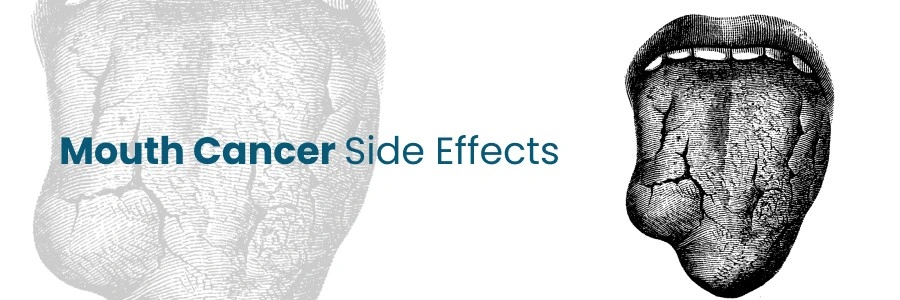
Side Effects of Mouth Cancer Treatments
Common Side Effects:
- Pain and Discomfort: Surgery and radiation can cause pain in the mouth and throat.
- Dry Mouth (Xerostomia): Radiation therapy may affect salivary glands, leading to dry mouth.
- Difficulty Swallowing (Dysphagia): Treatments can make swallowing painful and challenging.
- Taste Changes: Chemotherapy and radiation can alter taste sensations.
- Mouth Sores and Ulcers: Common side effects of both chemotherapy and radiation.
- Fatigue: General tiredness and lack of energy are often reported by patients.
Treatment for Side Effects at Medicover Hospitals
1. Pain Management
- Medications: Over-the-counter or prescribed pain relievers can manage pain effectively.
- Topical Treatments: Special mouthwashes and gels offer localized relief.
- Alternative Therapies: Techniques like acupuncture and relaxation exercises can be beneficial.
2. Addressing Dry Mouth
- Frequent sips of water or sugar-free drinks help manage dry mouth.
- Artificial saliva products are available at Medicover Hospitals.
- Certain medications can stimulate saliva production.
3. Managing Difficulty Swallowing
- Nutritional Support: Dietitians create tailored diet plans with soft, easy-to-swallow foods.
- Swallowing Therapy: Speech and language therapists offer exercises to improve swallowing function.
- Medications: Pain relievers and anti-inflammatory drugs can ease swallowing.
4. Taste Changes and Appetite Management
- Flavor Enhancers: Herbs, spices, and flavor enhancers make food more palatable.
- Dietary Adjustments: Experimenting with different foods to find appealing tastes.
- Nutritional Supplements: Ensure adequate nutrient intake.
5. Managing Mouth Sores and Ulcers
- Topical Treatments: Medicated mouthwashes and gels reduce pain and promote healing.
- Oral Hygiene: Good oral hygiene prevents infections and reduces discomfort.
- Nutritional Adjustments: Avoid spicy, acidic or rough-textured foods that irritate sores.
6. Addressing Fatigue
- Energy Conservation: Teach patients to manage their energy throughout the day.
- Exercise Programs: Tailored programs improve stamina and reduce fatigue.
- Nutritional Support: Balanced diets support overall energy levels.
Comprehensive Care at Medicover Hospitals
Personalized Treatment Plans
- Each patient's experience with mouth cancer and its treatments is unique. Our specialists collaborate to create personalized treatment plans addressing each patient's specific needs and concerns.
Multidisciplinary Team
- Our team includes oncologists, pain management specialists, dietitians, speech therapists, and other healthcare professionals who work together to provide comprehensive care.
Your health is everything - prioritize your well-being today.
Schedule Your AppointmentAdvanced Technology
- We utilize the latest technology and treatment methods to minimize side effects and improve patient outcomes. Our advanced facilities are equipped with radiation therapy machines, chemotherapy delivery systems, and pain management tools.
Emotional and Psychological Support
- Help patients and their families cope with the psychological aspects of cancer treatment.
- Provide a sense of community and shared experience, offering a platform for patients to connect with others facing similar challenges.
Programs like meditation, yoga, and relaxation exercises help reduce stress and improve overall well-being.
Frequently Asked Questions
Common side effects include dry mouth, difficulty swallowing, mouth sores, and changes in taste. Consult your healthcare provider for management strategies.
Managing dry mouth can involve drinking plenty of water, using saliva substitutes, and practicing good oral hygiene. Your dentist may also recommend specific products.
To cope with mouth sores, use soft-bristled toothbrushes, avoid spicy or acidic foods, and use oral rinses recommended by your healthcare provider.
Techniques to address difficulty swallowing include eating softer foods, using thickening agents for liquids, and working with a speech therapist if needed.
Yes, medications for pain management, nausea, and dry mouth can be prescribed by your healthcare provider. Discuss your symptoms with them for appropriate medication options.
Support resources may include local support groups, counseling services, and specialized hospitals. Contact medicover hospital or health organizations for recommendations.
- Cardiology
- Case Studies
- Dermatology
- Endocrinology
- ENT
- Fertility
- Gastroenterology
- General
- General-Medicine
- Gynecology
- Hematology
- Infectious-Diseases
- Medical News
- Neurology
- Oncology
- Ophthalmology
- Orthopedics
- Pediatrics
- Procedure
- Public-Health
- Pulmonology
- Radiology
- Second Opinion
- Urology
- Wellness
- Woman-and-child
Related Blogs
Still have questions? Speak with our experts now!
040-68334455


