 Call
Call Patient Reports
- Cardiology 84
- Dermatology 45
- Endocrinology 33
- ENT 16
- Fertility 190
- Gastroenterology 78
- General-Medicine 81
- Gynecology 80
- Hematology 19
- Infectious-Diseases 33
- Neurology 52
- Oncology 34
- Ophthalmology 23
- Orthopedics 69
- Pediatrics 31
- Procedure 23
- Public-Health 144
- Pulmonology 59
- Radiology 8
- Urology 68
- Wellness 161
- Woman-and-child 77
- 3759
- 3.5 Minute
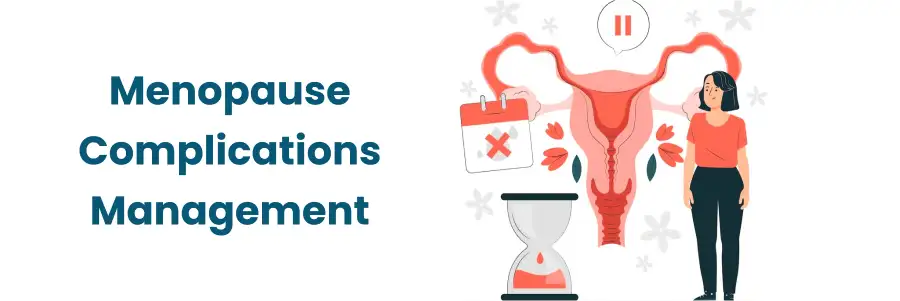
Managing Complications of Menopause in Women
Menopause is a natural phase in a woman's life, typically occurring between the ages of 45 and 55. However, it can come with a range of symptoms and complications that can significantly affect a woman's quality of life.
Understanding these complications and knowing how to manage them is crucial for maintaining health and well-being during and after this transitional period.
Get a second opinion from trusted experts and makeconfident, informed decisions.
Get Second OpinionNot sure where to start?
Talk to a patient care advisor — free, confidential, 24/7. We'll match you to the right specialist and book your appointment in minutes.
Common Symptoms of Menopause
Hot Flashes and Night Sweats
Hot flashes are sudden feelings of warmth, often intense, usually most noticeable in the upper body. They can occur at any time and are often accompanied by sweating. Night sweats are hot flashes that happen during sleep, causing discomfort and disturbed sleep.
Mood Changes
Menopause can lead to mood swings, irritability, and even depression. The hormonal changes during menopause can affect neurotransmitters in the brain, which regulate mood.
Sleep Problems
Many women experience insomnia or other sleep disturbances during menopause. Factors contributing to sleep problems include hot flashes, night sweats, and anxiety.
Vaginal Dryness and Discomfort
Lower estrogen levels can lead to vaginal dryness, itching, and discomfort, which can affect sexual activity and overall quality of life.
Cognitive Changes
Some women report memory lapses and difficulty concentrating during menopause. These changes are often temporary but can be frustrating.
Health Complications Associated with Menopause
Osteoporosis
Osteoporosis is a condition where bones become weak and brittle. The drop in estrogen levels during menopause can accelerate bone loss, increasing the risk of fractures.
Cardiovascular Disease
The risk of cardiovascular disease increases after menopause. Lower estrogen levels can lead to changes in blood vessels and cholesterol levels, which can contribute to heart disease.
Weight Gain
Many women gain weight during menopause, particularly around the abdomen. This weight gain can increase the risk of diabetes, heart disease, and other health problems.
Urinary Incontinence
The decrease in estrogen can weaken the pelvic floor muscles, leading to urinary incontinence. This can cause leakage during activities like coughing, laughing, or exercising.
Managing Menopause Symptoms and Complications
Hormone Therapy
Hormone therapy (HT) is one of the most effective treatments for relieving menopause symptoms. It involves taking estrogen or a combination of estrogen and progesterone. HT can help alleviate hot flashes, night sweats, and vaginal dryness.
However, it is important to discuss the risks and benefits with a healthcare provider, as HT can increase the risk of certain health conditions.
Non-Hormonal Treatments
Some women may prefer or need to avoid hormone therapy. Non-hormonal treatments can include medications like antidepressants, which can help with mood swings and hot flashes. Other options include lifestyle changes, herbal supplements, and alternative therapies like acupuncture.
Lifestyle Changes
Implementing healthy lifestyle changes can significantly improve menopause symptoms and overall health.
Diet and Nutrition
A balanced diet rich in fruits, vegetables, whole grains, and lean proteins can help manage weight and reduce the risk of chronic diseases. Foods high in calcium and vitamin D are essential for bone health.
Exercise
Regular physical activity can help maintain a healthy weight, improve mood, and strengthen bones. Weight-bearing exercises like walking, jogging, and strength training are particularly beneficial for bone health.
Stress Management
Practices like yoga, meditation, and deep-breathing exercises can help reduce stress and improve mental well-being during menopause.
Vaginal Health
Using vaginal moisturizers and lubricants can help alleviate vaginal dryness and discomfort. In some cases, a healthcare provider may recommend vaginal estrogen, which is available in creams, tablets, or rings.
Bone Health
To maintain bone health, it is important to get enough calcium and vitamin D, either through diet or supplements. Weight-bearing exercises and strength training can also help keep bones strong.
Heart Health
Adopting heart-healthy habits is crucial during menopause. This includes eating a diet low in saturated fats and cholesterol, exercising regularly, not smoking, and managing stress. Regular check-ups with a healthcare provider can help monitor heart health.
Sleep Hygiene
Improving sleep hygiene can help with menopause-related sleep problems. This includes maintaining a regular sleep schedule, creating a comfortable sleep environment, and avoiding caffeine and electronic devices before bed.
Cognitive Health
To support cognitive health, engage in activities that challenge the brain, such as puzzles, reading, or learning new skills. Regular physical activity and a healthy diet can also support brain function.
When to Seek Medical Advice
It is important to consult a healthcare provider if menopause symptoms are severe or affecting quality of life. A provider can offer guidance on treatment options and help manage any health complications.
Regular Check-Ups
Regular check-ups are important during menopause to monitor health and catch any potential issues early. This includes screenings for osteoporosis, heart disease, and other conditions.
Personalized Care
Every woman's experience with menopause is unique, and a personalized approach to treatment is often the most effective. Working with a healthcare provider to develop a tailored plan can help manage symptoms and improve overall health.
Your health is everything - prioritize your well-being today.
Schedule Your AppointmentConclusion
Menopause is a natural part of aging, but it comes with various symptoms and health complications that can impact a woman's life. By understanding these changes and implementing effective management strategies, women can navigate this transition with greater ease and maintain their health and well-being.
Whether through hormone therapy, lifestyle changes, or other treatments, there are many options available to help manage the complications of menopause.
Frequently Asked Questions
Menopause complications can be managed with hormone therapy and lifestyle changes.
Symptoms include hot flashes, night sweats, and mood changes.
Treatments include hormone therapy, lifestyle adjustments, and medications.
Hormone therapy can alleviate symptoms like hot flashes and night sweats.
Common concerns include osteoporosis, cardiovascular issues, and hormone imbalances.
- Cardiology
- Case Studies
- Dermatology
- Endocrinology
- ENT
- Fertility
- Gastroenterology
- General
- General-Medicine
- Gynecology
- Hematology
- Infectious-Diseases
- Medical News
- Neurology
- Oncology
- Ophthalmology
- Orthopedics
- Pediatrics
- Procedure
- Public-Health
- Pulmonology
- Radiology
- Second Opinion
- Urology
- Wellness
- Woman-and-child
Related Blogs
Still have questions? Speak with our experts now!
040-68334455


