 Call
Call Patient Reports
- Cardiology 84
- Dermatology 45
- Endocrinology 33
- ENT 16
- Fertility 190
- Gastroenterology 78
- General-Medicine 81
- Gynecology 80
- Hematology 19
- Infectious-Diseases 33
- Neurology 52
- Oncology 34
- Ophthalmology 23
- Orthopedics 69
- Pediatrics 31
- Procedure 23
- Public-Health 144
- Pulmonology 59
- Radiology 8
- Urology 68
- Wellness 161
- Woman-and-child 77
- 3759
- 3.5 Minute
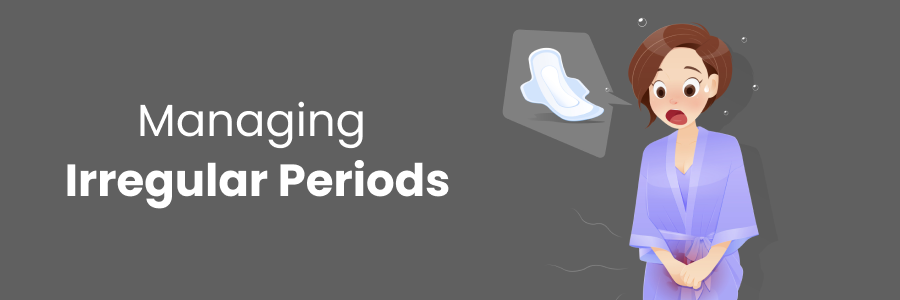
Managing Irregular Periods: Advice from Medicover Hospital, Begumpet
Irregular periods can be a source of concern for many women, affecting not only their physical health but also their emotional well-being.
At Medicover Hospital, Begumpet, we understand the complexities surrounding menstrual health and are committed to providing comprehensive advice and effective treatments.
This article will delve into the causes, treatments, and management strategies for irregular periods, offering valuable insights to help you maintain optimal menstrual health.
Get a second opinion from trusted experts and makeconfident, informed decisions.
Get Second OpinionNot sure where to start?
Talk to a patient care advisor — free, confidential, 24/7. We'll match you to the right specialist and book your appointment in minutes.
Understanding Menstrual Cycle Irregularities
Menstrual cycle irregularities encompass a range of issues, from missed periods to hefty bleeding. Understanding these irregularities is crucial in managing them effectively.
Common Causes of Irregular Periods
Irregular periods can be attributed to various factors, including:
- Hormonal Imbalance: Fluctuations in hormones like estrogen and progesterone can disrupt the menstrual cycle.
- Stress: High levels of stress can affect the hypothalamus, the part of the brain that regulates menstruation.
- Polycystic Ovary Syndrome (PCOS): A common endocrine disorder that can cause irregular periods.
- Thyroid Disorders: Both hyperthyroidism and hypothyroidism can lead to menstrual irregularities.
- Weight Fluctuations: Significant changes in body weight, whether gain or loss, can impact menstrual cycles.
- Exercise: Excessive physical activity can lead to missed periods or irregular cycles.
Understanding the underlying cause of your irregular periods is the first step towards effective management and treatment.
Effective Treatments for Irregular Periods
Treating irregular periods often involves addressing the root cause. Here are some standard treatment options:
Hormonal Treatments
Hormonal treatments are frequently used to regulate menstrual cycles. These can include:
- Birth Control Pills: These pills can help regulate periods by maintaining consistent hormone levels.
- Hormonal IUDs: Intrauterine devices that release hormones can also help in regulating periods.
- Hormone Therapy: For those experiencing menopause or other hormonal imbalances, hormone therapy can be an effective treatment.
Lifestyle Changes
Lifestyle modifications can play a significant role in managing irregular periods. Consider the following:
- Diet: A balanced diet rich in nutrients can help maintain hormonal balance. Include foods high in iron and essential vitamins.
- Exercise: Regular, moderate exercise can help regulate menstrual cycles. However, avoid excessive physical activity.
- Stress Management: Techniques such as yoga, meditation, and deep-breathing exercises can reduce stress levels and help regulate periods.
- Weight Management: Maintaining a healthy weight is crucial. Both underweight and overweight individuals may experience menstrual irregularities.
Managing Menstrual Irregularities
Managing menstrual irregularities involves a combination of medical treatments and lifestyle changes. Here are some practical tips:
Keeping Track of Your Cycle
Maintaining a menstrual diary can help you and your healthcare provider identify patterns and underlying issues. Note the start and end dates of your periods, the flow intensity, and any accompanying symptoms.
When to Seek Medical Advice
While occasional irregularities are typical, it's essential to seek medical advice if you experience:
- Persistent Irregularities: If your periods remain irregular for several months, consult a healthcare provider.
- Severe Pain: Intense menstrual pain may indicate an underlying condition.
- Heavy Bleeding: Excessive bleeding or passing large clots should be evaluated by a doctor.
- Absence of Periods: Missing periods for three or more consecutive months warrants medical attention.
Hormonal Imbalance and Irregular Periods
Hormonal imbalances are a leading cause of irregular periods. Understanding the role of hormones can help in managing these imbalances effectively.
The Role of Estrogen and Progesterone
Estrogen and progesterone are the primary hormones regulating the menstrual cycle. Imbalances in these hormones can lead to various menstrual issues, including irregular periods.
Symptoms of Hormonal Imbalance
Common symptoms indicating a hormonal imbalance include:
- Irregular Periods: As discussed, irregular periods are a crucial indicator.
- Weight Gain: Unexplained weight gain or difficulty losing weight.
- Mood Swings: Severe mood swings and emotional instability.
- Acne: Persistent acne can be a sign of hormonal imbalance.
- Fatigue: Chronic fatigue and low energy levels.
Managing Hormonal Imbalance
Effective management of hormonal imbalances involves a combination of medical treatments and lifestyle changes. Hormonal therapies, dietary adjustments, and stress management techniques can significantly improve symptoms.
Real-World Tips for Managing Irregular Periods
Implementing practical, real-world tips can make a significant difference in managing irregular periods. Here are some strategies:
Balanced Diet
A diet rich in fruits, vegetables, lean proteins, and whole grains can help maintain hormonal balance. Foods high in omega-3 fatty acids, such as fish and flaxseeds, are particularly beneficial.
Regular Exercise
Engage in regular physical activity, but avoid excessive exercise. Activities like walking, swimming, and yoga can help regulate menstrual cycles.
Stress Reduction Techniques
Incorporate stress reduction techniques into your daily routine. Practices like meditation, deep breathing, and mindfulness can help manage stress levels and promote hormonal balance.
Your health is everything - prioritize your well-being today.
Schedule Your AppointmentConclusion
Managing irregular periods requires a comprehensive approach that includes understanding the causes, seeking appropriate treatments, and making necessary lifestyle changes.
At Medicover Hospital, Begumpet, our team of experts is dedicated to providing personalized care and effective solutions for menstrual irregularities. By following the advice outlined in this article, you can take proactive steps towards maintaining optimal menstrual health.
Frequently Asked Questions
Common causes include hormonal imbalances, stress, excessive exercise, weight changes, polycystic ovary syndrome (PCOS), thyroid disorders, and perimenopause.
You can schedule an appointment online through the Medicover Hospital website or by calling the helpline number 040-68334455.
Diagnostic tests may include blood tests (to check hormone levels), pelvic ultrasound, thyroid function tests, and endometrial biopsy.
A balanced diet and regular exercise can help regulate hormones, reduce stress, and maintain a healthy weight, all of which can contribute to more regular menstrual cycles.
Follow-up frequency depends on your specific condition and treatment plan. Typically, follow-ups are scheduled every 3 to 6 months or as advised by your specialist.
- Cardiology
- Case Studies
- Dermatology
- Endocrinology
- ENT
- Fertility
- Gastroenterology
- General
- General-Medicine
- Gynecology
- Hematology
- Infectious-Diseases
- Medical News
- Neurology
- Oncology
- Ophthalmology
- Orthopedics
- Pediatrics
- Procedure
- Public-Health
- Pulmonology
- Radiology
- Second Opinion
- Urology
- Wellness
- Woman-and-child
Related Blogs
Still have questions? Speak with our experts now!
040-68334455


