 Call
Call Patient Reports
- Cardiology 84
- Dermatology 45
- Endocrinology 33
- ENT 16
- Fertility 190
- Gastroenterology 78
- General-Medicine 81
- Gynecology 80
- Hematology 19
- Infectious-Diseases 33
- Neurology 52
- Oncology 34
- Ophthalmology 23
- Orthopedics 69
- Pediatrics 31
- Procedure 23
- Public-Health 144
- Pulmonology 59
- Radiology 8
- Urology 68
- Wellness 161
- Woman-and-child 77
- 3759
- 3.5 Minute
Lymphangiectasia: Causes and Treatments
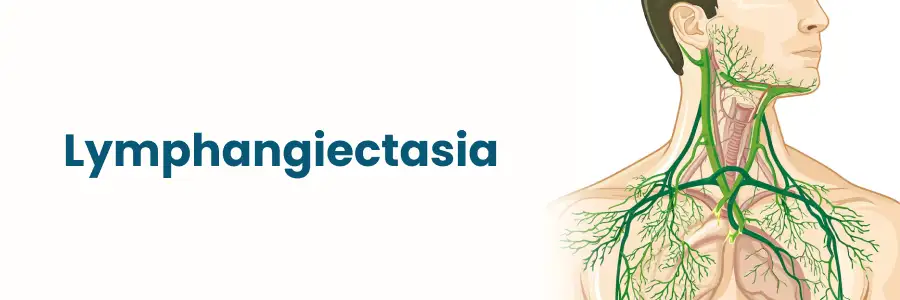
Lymphangiectasia is a rare and complex condition involving the dilation of lymphatic vessels. It can lead to significant health challenges and requires a nuanced understanding to diagnose and treat effectively.
The abnormal dilation of lymphatic vessels characterizes Lymphangiectasia. These vessels are crucial for transporting lymph, a fluid containing white blood cells, proteins, and fats, throughout the body. When these vessels become dilated, they can lead to a range of complications, including protein-losing enteropathy, which we'll discuss in more detail later.
Causes of Lymphangiectasia
Primary vs. Secondary Lymphangiectasia
The causes of lymphangiectasia can be classified into two broad categories: primary and secondary.
- Primary Lymphangiectasia: This form is congenital and typically presents in infancy or early childhood. Developmental abnormalities in the lymphatic system cause it. Genetic factors may play a role, but the exact cause is often unknown.
- Secondary Lymphangiectasia: This form develops later in life and is usually the result of another underlying condition that affects the lymphatic system. These conditions can include infections, inflammation, tumors, or surgical damage. Secondary lymphangiectasia is often more challenging to treat because it involves addressing the underlying condition as well.
Get a second opinion from trusted experts and makeconfident, informed decisions.
Get Second OpinionNot sure where to start?
Talk to a patient care advisor — free, confidential, 24/7. We'll match you to the right specialist and book your appointment in minutes.
Symptoms of Lymphangiectasia
The symptoms of lymphangiectasia can vary widely depending on the severity and location of the affected lymphatic vessels. Common symptoms include:
- Edema: Swelling in the limbs or other parts of the body due to fluid accumulation.
- Gastrointestinal Issues: Abdominal pain, diarrhea, and malabsorption of nutrients.
- Protein-Losing Enteropathy: A condition where proteins are lost from the digestive tract, leading to low levels of blood proteins and subsequent complications.
Diagnosis of Lymphangiectasia
Diagnosing lymphangiectasia involves a combination of clinical evaluation, imaging studies, and sometimes biopsy.
Clinical Evaluation
A thorough medical history and physical examination are the first steps in diagnosing lymphangiectasia. Physicians will look for characteristic symptoms such as oedema and gastrointestinal issues.
Imaging Studies
Imaging studies are crucial for visualizing the lymphatic vessels and identifying abnormalities. Standard imaging techniques include:
- Lymphangiography: An imaging technique that uses a contrast dye to visualize the lymphatic system.
- Magnetic Resonance Imaging (MRI): Provides detailed images of soft tissues, including lymphatic vessels.
- Computed Tomography (CT) Scan: Useful for identifying any underlying conditions that may be causing secondary lymphangiectasia.
Biopsy
In some cases, a biopsy of the affected tissue may be necessary to confirm the diagnosis. This involves taking a small sample of tissue and examining it under a microscope for characteristic changes associated with lymphangiectasia.
Lymphangiectasia and Protein-Losing Enteropathy
One of the most significant complications of lymphangiectasia is protein-losing enteropathy (PLE). PLE occurs when proteins are lost from the digestive tract, leading to a range of complications including edema, muscle wasting, and immune deficiencies.
Causes of Protein-Losing Enteropathy
Several mechanisms, including increased lymphatic pressure, inflammation, and direct damage to the intestinal mucosa, can cause PLE. In the context of lymphangiectasia, the primary cause is usually increased lymphatic pressure due to the dilation of lymphatic vessels.
Diagnosis and Management
Diagnosing PLE involves measuring protein levels in the blood and stool. Treatment focuses on addressing the underlying cause, in this case, lymphangiectasia, and may include dietary modifications, medications, and, in some cases, surgical interventions.
Treatment Options for Lymphangiectasia
Treatment for lymphangiectasia aims to manage symptoms and address the underlying cause. The approach can vary depending on whether the condition is primary or secondary.
Dietary Modifications
One of the first steps in managing lymphangiectasia is modifying the diet to reduce the burden on the lymphatic system. This can include:
- Low-Fat Diet: Reducing dietary fat intake to decrease the amount of lymph produced.
- Medium-Chain Triglycerides (MCTs): MCTs are more accessible to digest and absorb compared to long-chain triglycerides, reducing the burden on the lymphatic system.
Medications
Several medications can help manage symptoms and complications of lymphangiectasia:
- Diuretics: Help reduce edema by increasing urine production.
- Anti-Inflammatory Drugs: Reduce inflammation in the lymphatic vessels.
- Albumin Infusions: Used to address low protein levels in the blood.
Surgical Interventions
In severe cases, surgical interventions may be necessary. These can include:
- Lymphatic Bypass Surgery: Creates new pathways for lymphatic fluid to bypass the obstructed or damaged vessels.
- Debulking Surgery: Removes excess tissue to reduce pressure on the lymphatic vessels.
Lymphangiectasia in Infants
Lymphangiectasia in infants is typically of the primary form and presents unique challenges. Early diagnosis and intervention are crucial to managing symptoms and preventing complications.
Symptoms in Infants
Symptoms in infants can include:
- Failure to Thrive: Poor growth and weight gain.
- Edema: Swelling in various parts of the body.
- Gastrointestinal Issues: Diarrhea and malabsorption of nutrients.
Treatment Approaches
Treatment in infants often involves dietary modifications, such as a low-fat diet with MCTs, and careful monitoring of growth and development. In some cases, medications and surgical interventions may be necessary.
Your health is everything - prioritize your well-being today.
Schedule Your AppointmentComplications of Lymphangiectasia
Lymphangiectasia can lead to a range of complications, mainly if not managed effectively. These can include:
- Chronic Edema: Persistent swelling that can lead to tissue damage and impaired mobility.
- Nutritional Deficiencies: Due to malabsorption of nutrients.
- Infections: Increased risk of infections due to compromised immune function.
- Pulmonary Complications: In cases where lymphangiectasia affects the lungs, leading to pleural effusions and respiratory issues.
Conclusion
Lymphangiectasia is a complex condition that requires a multifaceted approach to diagnose and manage. Understanding the causes, symptoms, and treatment options is crucial for effective management and improving the quality of life for those affected. With ongoing research and advancements in medical treatments, there is hope for better outcomes for individuals with lymphangiectasia.
Frequently Asked Questions
Lymphangiectasia is caused by congenital malformations or damage to the lymphatic system, which leads to the accumulation of lymph fluid.
Symptoms include swelling in the limbs, abdominal pain, diarrhea, and protein loss.
Diagnosis is made through imaging studies, such as lymphangiography, to visualize the lymphatic system and biopsy to assess tissue.
Treatment includes dietary modifications, compression garments, and, in some cases, surgery to relieve lymphatic obstruction.
Complications include malnutrition, infections, and chronic swelling, which can significantly impact quality of life.
Disclaimer: The information provided is accurate and up-to-date to the best of our knowledge. However, it should not be considered a substitute for medical advice or consultation. We do not guarantee its completeness or accuracy. The absence of specific warnings does not mean a medicine is safe for all users. We are not responsible for any outcomes based on this information and strongly recommend consulting a doctor for any medical concerns or questions.
- Cardiology
- Case Studies
- Dermatology
- Endocrinology
- ENT
- Fertility
- Gastroenterology
- General
- General-Medicine
- Gynecology
- Hematology
- Infectious-Diseases
- Medical News
- Neurology
- Oncology
- Ophthalmology
- Orthopedics
- Pediatrics
- Procedure
- Public-Health
- Pulmonology
- Radiology
- Second Opinion
- Urology
- Wellness
- Woman-and-child
Related Blogs
Still have questions? Speak with our experts now!
040-68334455


