 Call
Call Patient Reports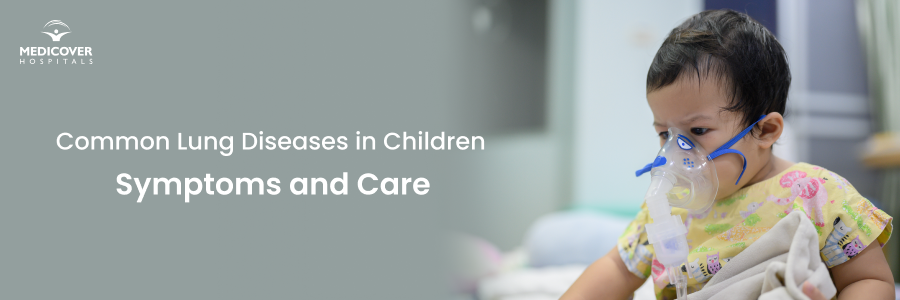
- 3759
- 3.5 Minute
Common Lung Diseases in Children: Symptoms and Care Guide
Are you worried about your child's persistent cough or wheezing? Does your child often struggle to breathe during physical activities? These could be signs of lung diseases in children that require attention. Living with common childhood lung diseases can significantly impact your child's daily activities, from playing with friends to participating in sports.
Get a second opinion from trusted experts and makeconfident, informed decisions.
Get Second OpinionNot sure where to start?
Talk to a patient care advisor — free, confidential, 24/7. We'll match you to the right specialist and book your appointment in minutes.
What are Common Childhood Lung Diseases?
Childhood lung diseases encompass a range of conditions that affect the respiratory system in children. These conditions can include asthma in children, pediatric respiratory illnesses, lung infections, and other issues that may lead to breathing difficulties and discomfort.
Some common childhood lung diseases include:
- Asthma in children
- Pediatric respiratory issues
- Children lung infections
What are the Symptoms of Asthma in Children?
Asthma in children can manifest in various ways, and it's essential to recognize the symptoms early to provide appropriate care. Some common symptoms of asthma in children include:
- Recurrent coughing, especially at night
- Wheezing or whistling sound while breathing
- chest tightness or pain
- shortness of breath
If your child exhibits any of these symptoms, it's crucial to consult a healthcare provider for a proper diagnosis and treatment plan.
How Do Pediatric Respiratory Illnesses Affect Children?
Pediatric respiratory illnesses can pose significant challenges for children, impacting their overall well-being and quality of life. These conditions can lead to frequent respiratory infections, breathing difficulties, and decreased physical activity levels.
Common pediatric respiratory illnesses include bronchitis, pneumonia, and bronchiolitis. These conditions can cause symptoms such as:
- Coughing
- chest congestion
- Rapid or labored breathing
- Fever
Seeking prompt medical attention for pediatric respiratory issues is crucial to ensure proper management and prevent complications.
What Causes Lung Infections in Children?
Lung infections in children can be caused by various factors, including viral or bacterial pathogens. Common lung infections in children include pneumonia and bronchiolitis, which can result in symptoms such as:
- Fever
- Cough with phlegm
- Difficulty breathing
- Chest pain
Good hygiene practices, timely vaccinations, and avoiding exposure to tobacco smoke can help reduce the risk of lung infections in children.
What are the Causes of Lung Problems in Kids?
Several factors can contribute to lung problems in kids, ranging from genetic predispositions to environmental triggers. Common causes of lung problems in kids include:
- Exposure to secondhand smoke
- Allergens such as pollen or pet dander
- Respiratory irritants like pollution or strong odors
- Family history of asthma or other respiratory conditions
Identifying and addressing these underlying causes is key to effectively managing lung problems in children.
How are Lung Diseases in Children Treated?
Treating lung diseases in children typically involves a multidisciplinary approach aimed at controlling symptoms, preventing exacerbations, and improving overall lung function. Treatment strategies for lung diseases in children may include:
- Medications such as bronchodilators and steroids
- Allergy management and avoidance of triggers
- Pulmonary rehabilitation programs
- Regular monitoring and follow-up with healthcare providers
It's essential for parents and caregivers to work closely with healthcare professionals to develop a comprehensive treatment plan tailored to the child's specific needs.
Your health is everything - prioritize your well-being today.
Schedule Your AppointmentIn Conclusion
Common childhood lung diseases like asthma in children, pediatric respiratory illnesses, and lung infections can significantly impact a child's well-being and daily activities. Recognizing the symptoms early, seeking timely medical attention, and following a comprehensive treatment plan are crucial steps in managing these conditions effectively. By understanding the causes and symptoms of lung diseases in children, parents can take proactive measures to support their child's respiratory health and overall quality of life.
Frequently Asked Questions
Passive smoking can damage children's lungs, increasing the risk of asthma, bronchitis, pneumonia, and long-term lung function issues.
BPD is a chronic lung condition in premature babies caused by prolonged oxygen therapy or ventilator use, leading to lung inflammation and scarring.
Yes, untreated allergies can cause chronic inflammation, increasing the risk of asthma and other respiratory conditions in children.
Some lung diseases, like infections, can be treated, while chronic conditions like asthma or cystic fibrosis require long-term management.
If your child shows signs like persistent coughing, wheezing, or shortness of breath, consult a doctor promptly for their lung issue.
- Cardiology
- Case Studies
- Dermatology
- Endocrinology
- ENT
- Fertility
- Gastroenterology
- General
- General-Medicine
- Gynecology
- Hematology
- Infectious-Diseases
- Medical News
- Neurology
- Oncology
- Ophthalmology
- Orthopedics
- Pediatrics
- Procedure
- Public-Health
- Pulmonology
- Radiology
- Second Opinion
- Urology
- Wellness
- Woman-and-child
Related Blogs
Still have questions? Speak with our experts now!
040-68334455


