 Call
Call Patient Reports
- Cardiology 84
- Dermatology 45
- Endocrinology 33
- ENT 16
- Fertility 190
- Gastroenterology 78
- General-Medicine 81
- Gynecology 80
- Hematology 19
- Infectious-Diseases 33
- Neurology 52
- Oncology 34
- Ophthalmology 23
- Orthopedics 69
- Pediatrics 31
- Procedure 23
- Public-Health 144
- Pulmonology 59
- Radiology 8
- Urology 68
- Wellness 161
- Woman-and-child 77
- 3759
- 3.5 Minute
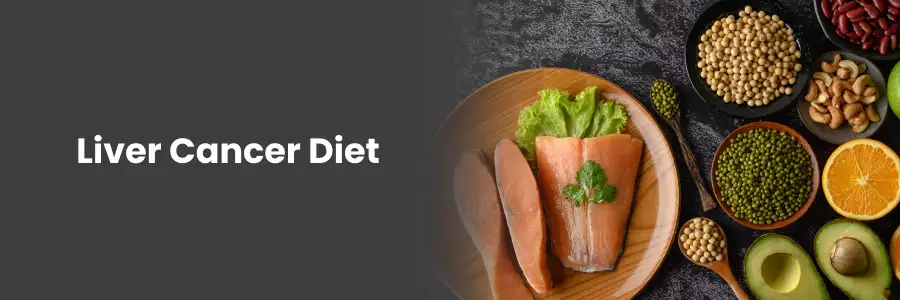
Importance of Diet for Liver Cancer Patients in Hyderabad
Coping with liver cancer is not just a matter of medication but also the establishment of new lifestyles, specifically nutrition. So, what and how you eat influences the way you feel, inside and out.
This article will look at the foods to eat for liver cancer and give practical dietary advice along with nutritional information. Through the informed consumption of food, liver cancer patients can enhance their treatment and quality of life.
Effective management of liver cancer is possible only if you consume a healthy diet. The liver performs a number of critical functions, such as detoxification, protein synthesis and the production of digestion-sustaining biochems. Eating healthy becomes that much more important when the liver is compromised due to cancer. Proper nutrition can help:
- Support the liver's function
- Boost the immune system
- Maintain a healthy weight
- Manage treatment side effects
Get a second opinion from trusted experts and makeconfident, informed decisions.
Get Second OpinionNot sure where to start?
Talk to a patient care advisor — free, confidential, 24/7. We'll match you to the right specialist and book your appointment in minutes.
Nutritional Guidelines for Liver Cancer
Focus on Whole Foods
Whole foods are as minimally processed and full of nutrients as possible. They are mainly comprised of fruits, vegetables, whole grains, and lean proteins. These foods offer vital nutrients that are great for overall health.
Stay Hydrated
All liver cancer patients must stay adequately hydrated. Water allows the liver to remove toxins and is essential for other body functions. You should drink at least 8-10 glasses of water in a day.
Best Foods for Liver Cancer Patients
Fruits and Vegetables
These antioxidants, vitamins and minerals can be found in fruits and vegetables. Thanks to their cancer-fighting properties and the overall health improvements they offer. Here are some of the Top ones:
- Fruits In Berries: They are Rich in Antioxidants Blueberries, strawberries and raspberries
- Spinach, Kale and Swiss Chard: Leafy greens are some of the best vegetables you can use for effective weight loss.
- Cruciferous Veggies: Cauliflower, broccoli and Brussels sprouts have cancer-preventing properties.
- Citrus Fruits: This category includes oranges, lemons and grapefruits that are laden with vitamin C.
Lean Proteins
Protein is critically important and is made to repair tissues and maintain muscle mass. Opt for lean sources of protein, like
- Fish: Salmon, mackerel and sardines are rich in omega-3 fatty acids.
- Poultry: Lean Protein Chicken and turkey
- Legumes: Plant-based protein (beans, lentils and chickpeas)
- Tofu and Tempeh: Veggie Proteins at their best.
Whole Grains
Whole grains are a critical component providing fibre needed for your digestive to unencumber itself. They also provide long-lasting energy. Good choices include:
- Brown Rice: This is a more stable choice over white rice.
- Quinoa: Contains all nine essential amino acids, making it a complete protein.
- Oatmeals: The less processed, the better. Oats are another fibre-rich food that is good for your heart.
- Whole Wheat: More healthy breads and whole wheat pasta.
Healthy Fats
Unsaturated fats are good for the brain and provide energy. So, they again support the absorption of fat-soluble vitamins as well. Include sources like:
- Rally behind the monounsaturated fats in avocados
- Nuts and Seeds: Almonds, walnuts, flaxseeds (along with safflower oil), chia seeds
- Olive oil is great; it's better than butter, and there are some oil options.
- Fatty Fish: Omega-3 fatty acids.
Foods to Avoid
Processed Foods
It is known that processed foods have a high content of sugar, salt and unhealthy fats. These can be very detrimental to the liver and overall health. Avoid:
- Fast Food: Cheeseburgers, fries and other high-calorie fast food items.
- Sugary Snacks: Candy, cookies, and cakes.
- Processed Meats: Salami, pepperoni, sausages, hot dogs and bacon.
Alcohol
In particular, alcohol is damaging to the liver and can intensify damage that already exists in the liver. If you are suffering from liver cancer, it is recommended that all alcohol to be restricted permanently.
High-Sodium Foods
Too much salt causes water retention and additional stress on your liver. Limit your intake of:
- Canned Soups: loaded with sodium most of the time
- Processed snacks: Think chips, pretzels and crackers.
- Condiments: bottle of soy sauce, bottled ketchup, and salad dressings.
Lifestyle Changes for Liver Cancer
Regular Exercise
It helps manage weight, improves mood, and is magnificent for overall health. Strive for 30 minutes of moderate exercise, like walking or swimming, on most days of the week.
Stress Management
Managing stress is important for our welfare. Methods that may lower stress are relaxation or meditation, yoga, and deep breathing exercises.
Tips for Managing Liver Cancer Diet
Plan Your Meals
By planning meals, you can ensure that a well-balanced diet is prepared for exactly every day. Give your body the fuel and nutrition it needs with healthy foods from all food groups.
Small, Frequent Meals
Eating small, frequent meals throughout the day can help manage nausea and maintain energy levels. Opt for small meals 5-6 times a day.
Consult a Dietitian
Talk to a registered dietitian about personalised dietary advice appropriate for you and your treatment plan.
Your health is everything - prioritize your well-being today.
Schedule Your AppointmentConclusion
It is an important part of treatment for liver cancer to control the diet. Eating whole fruits and vegetables, drinking plenty of water, and limiting exposure to damaging toxins benefit the body as a whole while also promoting healthy liver function. As always, share and consult experiences with your healthcare provider's dietitian for a piece of individualised dietary advice. The food you take plays a crucial role in ensuring your well-being and reducing the pain associated with liver cancer treatment.
For liver cancer patients, these dietary recommendations and lifestyle changes can help manage their condition more effectively and provide better support for general overall health. Indeed, correct nutrition is a potent weapon in liver cancer prevention and can significantly improve their pathway here.
Frequently Asked Questions
Recommendations include a balanced diet with high-protein, low-fat, and nutrient-dense foods.
Lifestyle changes like regular exercise and avoiding alcohol can improve overall health and treatment outcomes.
Avoid high-fat, processed, and sugary foods.
Work with a dietitian to adjust your diet to manage symptoms like nausea or weight loss.
Staying hydrated is important for overall health and managing treatment side effects.
Consult your doctor before taking any supplements, as some may interfere with treatments.
- Cardiology
- Case Studies
- Dermatology
- Endocrinology
- ENT
- Fertility
- Gastroenterology
- General
- General-Medicine
- Gynecology
- Hematology
- Infectious-Diseases
- Medical News
- Neurology
- Oncology
- Ophthalmology
- Orthopedics
- Pediatrics
- Procedure
- Public-Health
- Pulmonology
- Radiology
- Second Opinion
- Urology
- Wellness
- Woman-and-child
Related Blogs
Still have questions? Speak with our experts now!
040-68334455


