 Call
Call Patient Reports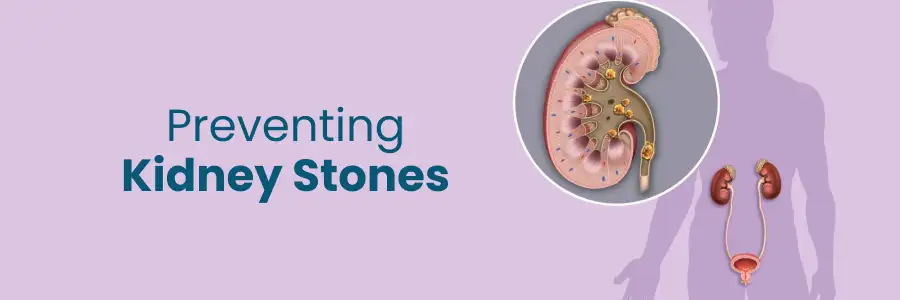
- 3759
- 3.5 Minute
Effective Tips and Strategies for Preventing Kidney Stones
Kidney stones are hard deposits of minerals and salts in the kidneys. They can vary in size and may pass through the urinary tract, sometimes causing severe pain.
At Medicover Hospitals, we emphasise the importance of prevention and provide comprehensive care to help you maintain optimal renal health.
What are Kidney Stones?
Kidney stones, also known as renal calculi, are solid masses that form in the kidneys from minerals and salts. These stones can vary in size and may move through the urinary tract, causing pain and discomfort.
Types of Kidney Stones
There are several types of kidney stones, including:
- Calcium Stones: The most common type, usually made of calcium oxalate.
- Struvite Stones Often form in response to an infection.
- Uric Acid Stones: Form when urine is too acidic.
- Cystine Stones: Rare and usually hereditary.
Understanding the type of stone can help in developing a specific prevention plan.
How do Kidney Stones come?
- Dehydration: Insufficient water intake leads to concentrated urine, increasing the chances of stone formation.
- High Oxalate or Calcium Levels: Certain foods, like spinach and nuts, contain oxalates that can contribute to kidney stone development.
- Excess Salt and Protein Intake: High sodium and animal protein consumption can increase calcium and uric acid levels, leading to stones.
- Genetic and Medical Conditions: Family history, obesity, and metabolic disorders raise the risk of kidney stones.
Symptoms of Kidney Stones
- Intense pain in the lower back, abdomen, or side.
- Blood in the urine (pink, red, or brown discoloration).
- Frequent urination with a burning sensation.
- Nausea and vomiting.
- Fever and chills in case of an infection.
Get a second opinion from trusted experts and makeconfident, informed decisions.
Get Second OpinionNot sure where to start?
Talk to a patient care advisor — free, confidential, 24/7. We'll match you to the right specialist and book your appointment in minutes.
Tips to Get Rid of Kidney Stones
Drink Plenty of Water
Staying well-hydrated is one of the most effective ways to prevent kidney stones. Water dilutes the substances in urine that lead to stones. Aim to drink at least 8-10 glasses of water a day.
Monitor Your Urine Colour
Your urine should be light yellow. Darker urine indicates dehydration, which can contribute to the formation of kidney stones.
Limit Salt Intake
High sodium levels can increase calcium in urine, leading to kidney stone formation. Avoid processed foods, and do not add extra salt to your meals to reduce the amount of salt in your diet.
Eat Calcium-Rich Foods
Contrary to popular belief, eating calcium-rich foods can help prevent stones. Calcium binds with oxalate in the intestines, preventing it from being absorbed into the bloodstream and forming stones.
Avoid High-Oxalate Foods
Certain foods are high in oxalates, which can lead to the formation of calcium oxalate stones. Examples include spinach, beets, and nuts. Limiting these foods can help reduce your risk.
Consume Citrus Fruits
Citrus fruits like oranges and lemons contain citrate, which can help prevent stones by binding with calcium in the urine.
Maintain a Healthy Weight
Obesity can increase the risk of kidney stones. Maintaining a healthy weight through a balanced diet and regular exercise can help reduce this risk.
Exercise Regularly
Regular physical activity helps maintain a healthy weight and overall well-being, which can prevent kidney stones.
Avoid Excessive Protein
High protein intake, especially from animal sources, can increase the risk of kidney stones. Opt for plant-based proteins and limit your overall protein intake.
Medications
In some cases, medications may be prescribed to help prevent kidney stones. These can include diuretics, phosphate solutions, or drugs that reduce uric acid levels.
Regular Check-Ups
Regular check-ups at Medicover Hospitals can help monitor your kidney health and catch any potential issues early. Your healthcare provider can give you personalised advice based on your health needs.
When to Seek Medical Help?
Symptoms of Kidney Stones
If you experience symptoms like severe pain in the back or side, blood in urine, or nausea and vomiting, seek medical attention immediately. These can be signs of kidney stones or other severe conditions.
Comprehensive Care at Medicover Hospitals
At Medicover Hospitals, we offer a full range of services to prevent and treat kidney stones. Our team of specialists is dedicated to providing personalised care to help you maintain optimal renal health.
Home Remedies and Natural Prevention Strategies for Kidney Stones
Kidney stones can cause severe pain and discomfort, but natural remedies can help reduce the risk of stone formation. Here are practical tips to avoid kidney stones using natural approaches:
- Increase Magnesium Intake: Magnesium helps prevent kidney stones by reducing calcium buildup in the kidneys. Eat magnesium-rich foods like bananas, avocados, almonds, and leafy greens.
- Try Apple Cider Vinegar: Apple cider vinegar contains acetic acid, which may help dissolve small kidney stones. Mix one tablespoon of apple cider vinegar in a glass of water and drink it once a day.
- Drink Herbal Teas: Certain herbal teas can support kidney function and reduce stone formation. Dandelion root tea and nettle tea are excellent choices for flushing out toxins.
- Use Basil Juice: Basil contains compounds that support kidney health and may help expel stones naturally. Drink fresh basil juice or add basil leaves to your diet regularly.
- Cut Down on Refined Sugar: High sugar intake can increase calcium levels in urine, leading to stone formation. Avoid processed sweets, sugary sodas, and artificial sweeteners.
Complications of Untreated Kidney Stones
Ignoring kidney stones can lead to serious health problems, affecting kidney function and overall well-being.
Your health is everything - prioritize your well-being today.
Schedule Your AppointmentConclusion
Preventing kidney stones involves a combination of hydration, dietary changes, lifestyle modifications, and medical interventions. Regular check-ups and consultations with healthcare providers at Medicover Hospitals can provide additional support and guidance.
Frequently Asked Questions
Dietary changes include drinking plenty of fluids, reducing salt intake, limiting foods high in oxalates, and consuming a balanced diet with adequate calcium.
Support includes personalized dietary recommendations, hydration strategies, lifestyle counselling, and regular monitoring.
Resources include educational materials, dietary guidelines, and access to nutritionists and specialists for personalized advice.
Yes, excessive consumption of soft drinks and sugary beverages can increase the risk of kidney stones by raising uric acid levels and reducing urine output.
Managing blood sugar and blood pressure, staying hydrated, reducing salt intake, and following a balanced diet can help prevent kidney stones.
Kidney stone pain is usually sharp, radiates from the lower back to the groin, and may be accompanied by nausea, vomiting, or blood in the urine.
Small kidney stones may pass independently with proper hydration, but larger stones may require medical intervention or surgical removal.
Yes, genetics can play a role in kidney stone formation. A family history of kidney stones increases the risk of developing them.
- Cardiology
- Case Studies
- Dermatology
- Endocrinology
- ENT
- Fertility
- Gastroenterology
- General
- General-Medicine
- Gynecology
- Hematology
- Infectious-Diseases
- Medical News
- Neurology
- Oncology
- Ophthalmology
- Orthopedics
- Pediatrics
- Procedure
- Public-Health
- Pulmonology
- Radiology
- Second Opinion
- Urology
- Wellness
- Woman-and-child
Related Blogs
Still have questions? Speak with our experts now!
040-68334455


