 Call
Call Patient Reports
- Cardiology 84
- Dermatology 45
- Endocrinology 33
- ENT 16
- Fertility 190
- Gastroenterology 78
- General-Medicine 81
- Gynecology 80
- Hematology 19
- Infectious-Diseases 33
- Neurology 52
- Oncology 34
- Ophthalmology 23
- Orthopedics 69
- Pediatrics 31
- Procedure 23
- Public-Health 144
- Pulmonology 59
- Radiology 8
- Urology 68
- Wellness 161
- Woman-and-child 77
- 814
- 6.9 Minute
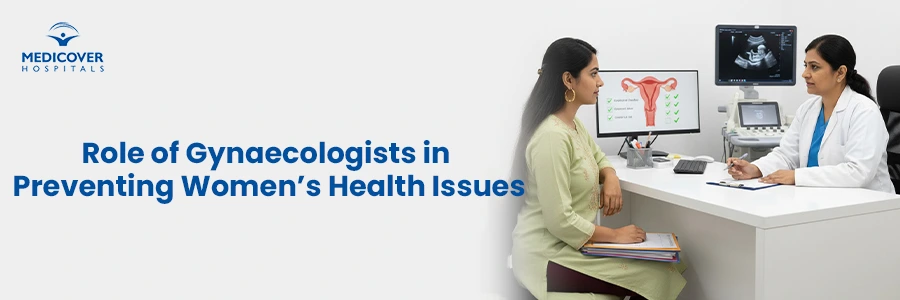
The Importance of a Gynecologist in Women’s Preventive Health
The health requirements of women change from their teenage years through their childbearing period and their menopause stage. The different life stages of women require medical professionals to provide them knowledge about the physical and hormonal transformations which occur during each stage.
Women need regular medical assessments from experts to identify health issues at an early stage while avoiding dangerous health outcomes and maintaining their general health. Recognizing the importance of a gynecologist allows women to make informed health decisions, with consistent preventive care and expert support contributing to long term physical and reproductive wellbeing.
Understanding the Scope of Care
Many people assume that gynecologists care only for pregnant women, but their role is much broader. They evaluate a woman's reproductive health through clinical examinations, appropriate tests, address menstrual irregularities and hormonal concerns. That helps women to navigate health transitions with preventive advice which supports long-term physical and emotional health.
A gynecologist functions as a medical professional who tracks patient health developments while identifying early signs of diseases that require them to arrange medical assessments. Women who receive continuous medical care will develop a better understanding of their personal health risks which enables them to discuss private matters with complete confidence.
Get a second opinion from trusted experts and makeconfident, informed decisions.
Get Second OpinionNot sure where to start?
Talk to a patient care advisor — free, confidential, 24/7. We'll match you to the right specialist and book your appointment in minutes.
How Gynecologists Help Prevent Future Health Problems
Early and consistent care focuses on risk reduction rather than waiting for symptoms to worsen. This approach reflects the true importance of a gynecologist in protecting health across every decade of life.
Key Areas of Preventive Gynecological Care:
- Regular pelvic and cervical screening: The health assessment of these reproductive organs requires regular pelvic examinations. The procedure of cervical cancer screening enables medical professionals to find abnormal cell changes during their initial development phase which leads to better treatment results.
- Menstrual health and cycle care: Changes such as irregular periods, excessive bleeding or severe menstrual cramps can signal underlying hormonal or medical concerns. A gynecologist carefully evaluates these patterns through clinical assessment and relevant tests, identifies the root cause and recommends personalized treatment or lifestyle modifications to help regulate cycles and improve overall comfort.
- Pregnancy care and monitoring: Pregnancy requires structured monitoring to ensure both maternal and fetal wellbeing. Regular checkups help track fetal growth, manage nutritional needs, monitor blood pressure, glucose levels and identify potential complications early.
- Contraception, lifestyle and nutrition guidance: The contraceptive counseling process needs to present safe contraceptive methods which match a person's age and medical background and future fertility goals. The process of guiding people through their eating habits and lifestyle choices helps them achieve better hormonal balance and reproductive health and general physical health.
- Early pelvic disorder detection and care: Unresolved medical issues such as persistent pelvic pain, infections and structural issues will lead to decreased quality of life for patients. The process of early diagnosis together with timely medical treatment will help stop disease progression and minimize future treatment requirements.
Preventive attention builds confidence and helps women recognize what is normal for their bodies. The importance of a gynecologist becomes clearer when small concerns are addressed early and consulting a qualified gynecologist in Hyderabad at the right time helps ensure timely care and prevents minor issues from progressing into more serious conditions.
Preventive Care and Long Term Women’s Health
Preventive care focuses on protecting health before symptoms interfere with daily life. Consistent care from a gynecologist helps women stay aware of potential health risks, seek timely checkups, and adopt practical lifestyle habits that support long term preventive health and overall balance.
- Age and risk assessment: Routine evaluations help identify hormonal, genetic or existing health risks early. This allows timely adjustments in care and strengthens the benefits of regular gynecologist visits.
- Hygiene, nutrition and safety guidance: Women are guided on maintaining proper personal hygiene, balanced nutrition and safe daily practices that support reproductive and overall health. These simple yet consistent habits help reduce infections, improve hormonal balance and strengthen long term wellbeing.
- Personalized screening recommendations: Screening schedules are tailored according to age and risk profile. Timely tests improve early detection and make management more effective.
- Cycle and fertility support: Expert guidance helps monitor menstrual changes and address concerns at the right time. Clear advice also helps women understand when you should see a gynecologist while planning fertility goals.
The structured preventive steps show how expert medical care helps with both early disease detection and ongoing health management. Women receive effective health guidance through their access to top medical experts which includes the best gynecologists in Hyderabad.
The Value of Specialist Guidance Across Life Stages
A women's reproductive health specialist uses their training to find specific patterns which indicate the presence of medical conditions that include hormonal changes and persistent pelvic pain. This expertise establishes the requirement for early medical intervention because it helps women understand the need for ongoing gynecological care throughout their lives.
The process of regular follow-up assessments enables us to monitor how patients progress through significant life events to maintain customized treatment plans which fit their specific requirements.
Preventive visits create space to discuss sensitive topics that are often ignored because people feel embarrassed or uncertain about the subject. The discussion of menstrual changes together with sexual health and fertility planning and emotional wellbeing creates a foundation of trust between people involved.
This guidance helps women learn to identify their early health symptoms which they should report to doctors because this practice leads to better treatment of their existing medical conditions.
Continuity of Care and Early Risk Identification
The Importance of a gynecologist becomes especially clear when considering how women’s health needs evolve at different stages of life. The adolescent stage requires guidance which teaches menstrual cycle tracking body development changes and proper personal hygiene methods to help women build their self-assurance and knowledge.
Women during their reproductive years require assistance to select birth control methods, track their fertility and create their healthy pregnancy plan.
Women's health needs during perimenopause and later life stages require treatment that supports hormone management, bone health maintenance and relief from age-related discomfort. The process of continuous medical care provides women with ongoing access to relevant medical guidance which extends throughout their entire life journey.
The preventive care system needs to educate people about essential screening tests and the impact of their daily activities on their future health results. Reproductive health and overall well-being depend on four factors which include balanced nutrition, effective weight management, stress control and safe health practices.
The medical community needs to understand that women need early diagnosis because it enables them to display warning signs which need immediate assessment.
Your health is everything - prioritize your well-being today.
Schedule Your AppointmentBuilding Trust Through Preventive Consultations
Successful preventive health care depends on trust as its essential component. Women share their reproductive health problems when they feel that their concerns receive full attention without any judgment.
The early management of these issues brings three benefits which include complication prevention and anxiety reduction and improved life quality. The educational sessions held during medical appointments provide families with knowledge which enables them to help women who require health support at home.
Women who receive ongoing gynecological treatment gain the ability to make informed choices during critical life events which include family planning, pregnancy spacing and health condition management that impacts their fertility.
The process enables women to select their preferred options, which match their individual needs, medical requirements and social circumstances. The shared decision-making method increases trust while decreasing uncertainty that arises from different types of unofficial information.
A Preventive Approach to Long Term Women’s Wellbeing
The Importance of a gynecologist shows women the value of regular checkups which serve as their first step toward lifelong health maintenance. The combination of preventive care and timely screenings and compassionate support leads to better health results throughout all life stages.
Medicover Hospitals focuses on active support by encouraging informed health decisions, supporting early detection and addressing both the physical and emotional wellbeing of women through consistent, patient centered care.
Frequently Asked Questions
Yes, a gynecologist can identify the cause of hormonal imbalance through symptoms and tests, and provide proper treatment and lifestyle advice to restore hormonal balance.
Yes, regular visits to a gynecologist after menopause are important for monitoring bone health, screening for cancers, managing hormonal and vaginal health changes.
Absolutely, gynecologists treat menstrual disorders, infections, pelvic pain, fertility concerns and preventive screenings across all age groups.
Symptoms such as persistent pelvic pain, unusual bleeding, severe cramps, abnormal discharge or cervical changes should be evaluated promptly, as they may indicate underlying health concerns.
Yes, gynecologists provide guidance on contraception options, fertility planning and preconception health to support safe and informed decisions.
Medicover Hospitals provides experienced gynecologists and advanced tests, personalised care for safe and complete women’s health support at every life stage.
- Cardiology
- Case Studies
- Dermatology
- Endocrinology
- ENT
- Fertility
- Gastroenterology
- General
- General-Medicine
- Gynecology
- Hematology
- Infectious-Diseases
- Medical News
- Neurology
- Oncology
- Ophthalmology
- Orthopedics
- Pediatrics
- Procedure
- Public-Health
- Pulmonology
- Radiology
- Second Opinion
- Urology
- Wellness
- Woman-and-child
Related Blogs
Still have questions? Speak with our experts now!
040-68334455


