 Call
Call Patient Reports
- Cardiology 84
- Dermatology 45
- Endocrinology 33
- ENT 16
- Fertility 190
- Gastroenterology 78
- General-Medicine 81
- Gynecology 80
- Hematology 19
- Infectious-Diseases 33
- Neurology 52
- Oncology 34
- Ophthalmology 23
- Orthopedics 69
- Pediatrics 31
- Procedure 23
- Public-Health 144
- Pulmonology 59
- Radiology 8
- Urology 68
- Wellness 161
- Woman-and-child 77
- 3252
- 3.9 Minute
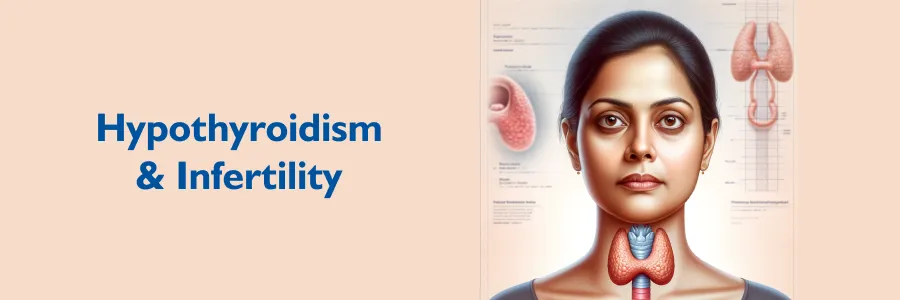
Can Hypothyroidism be The Cause of Your Infertility?
Both hypo and hyperthyroidism upset the regenerative balance in hormones, and women with thyroid issues frequently have variations in their menstrual cycle, for example, infrequent periods or unpredictable cycles, flooding, etc.
Hypothyroidism has been related to decreased FSH (Follicle follicle-stimulating hormone) and LH (Luteinizing hormone) levels. These are required for egg and follicle development and ovarian generation of oestrogen and progesterone. Hypothyroidism has likewise been associated with the development of ovarian cysts.
Get a second opinion from trusted experts and makeconfident, informed decisions.
Get Second OpinionNot sure where to start?
Talk to a patient care advisor — free, confidential, 24/7. We'll match you to the right specialist and book your appointment in minutes.
Diagnosis of Hypothyroidism
Diagnosing hypothyroidism involves recognizing symptoms and conducting straightforward tests to assess thyroid function.
- Symptoms to Watch For
- Fatigue
- Sensitivity to cold
- Weight changes
- Muscle pains
- Constipation
- Irregular periods (women)
- Pre-pregnancy Preparation
- It's crucial to test thyroid function before planning pregnancy.
- Age-related changes can increase the risk of hypothyroidism, along with other health issues like low hemoglobin and bone health concerns.
- Family History and Risk
- If there's a family history of thyroid problems, especially among parents or grandparents, regular testing is even more important.
- Testing and Diagnosis
- A simple blood test measures Thyroid thyroid-stimulating hormone (TSH) levels.
- Elevated TSH levels indicate potential hypothyroidism, which should be addressed before conception.
Effects of Hypothyroidism
Hypothyroidism can affect fertility in both men and women:
Female Issues
- Menstrual Irregularities: Hypothyroidism can cause irregular periods or stop ovulation altogether, reducing fertility.
- Hormonal Imbalance: Low thyroid hormones can disrupt estrogen and progesterone levels, crucial for ovulation and pregnancy.
- Reduced Egg Quality: Thyroid dysfunction may lead to poor egg quality, which impacts fertilization and increases the risk of miscarriage.
- Changes in Uterine Lining: Thyroid hormones influence the uterus's ability to support implantation and sustain pregnancy.
Male Issues
- Sperm Production: Hypothyroidism can affect sperm production and quality, reducing fertility.
- Hormonal Imbalance: Thyroid hormones play a role in testosterone production, which is vital for sperm production.
- Sexual Function: Thyroid dysfunction can lead to erectile dysfunction and decreased libido, affecting fertility.
Managing hypothyroidism through medication and lifestyle changes can help restore fertility in both men and women. Regular monitoring and treatment adjustments with healthcare providers are essential for optimizing fertility outcomes.
Your health is everything - prioritize your well-being today.
Schedule Your AppointmentTreatment For Hypothyroidism
Treatment for Hypothyroidism
Before starting treatment, a comprehensive body check-up is essential to detect any coexisting conditions like diabetes or hypertension, especially crucial during pregnancy to avoid medication complications.
Medical Approach
- Levothyroxine: Typically used to boost T4 hormone levels, but may not address issues with T4 to T3 conversion or reverse T3 dominance. Consultation with a doctor is essential for personalized treatment.
Nutritional Approach
Nutritional strategies for managing hypothyroidism focus on consuming anti-inflammatory, nutrient-rich foods. A diet rich in vegetables, fruits, healthy fats, whole grains, and proteins is recommended.
- Key Nutrients to Include
- Iodine: Important for thyroid hormone production; found in fish, eggs, and dairy.
- Zinc: Supports thyroid function; sources include red meat, pumpkin seeds, and dairy.
- Selenium: Essential for thyroid enzymes; found in lean meats, fish, and nuts.
- Vitamins E, C, and A: Provide antioxidants and support immune function.
Foods to Avoid
- Inflammatory Foods: Limit your intake of raw cruciferous vegetables, soy, flaxseeds, alcohol, processed flour, and fats, as these can interfere with thyroid function and increase inflammation.
- Salt: Avoid excessive salt to prevent autoimmune reactions that can affect thyroid hormones.
Conclusion
For women trying to conceive or experiencing fertility challenges related to thyroid issues, it's crucial to check thyroid hormones before planning pregnancy. Maintain overall health with proper nutrition, supplements, herbs, and regular exercise like yoga to support thyroid function and manage weight.
Keeping thyroid levels stable before pregnancy helps prevent complications during conception and pregnancy. So, get your thyroid levels checked at regular intervals and keep them balanced, if necessary, throughout your pregnancy and during breastfeeding.
Frequently Asked Questions
Hypothyroidism occurs when the thyroid gland fails to produce enough hormones, impacting metabolism and bodily functions.
Hypothyroidism can disrupt menstrual cycles, impair ovulation, and affect hormone levels crucial for conception, potentially leading to infertility.
Hypothyroidism in males can lower sperm count, reduce sperm motility, and affect sexual function, impacting fertility and chances of conception.
Managing hypothyroidism through medication and lifestyle changes can help restore fertility. Regular monitoring and adherence to treatment are essential for preventing fertility issues.
Hypothyroidism affects women more frequently than men, with hormonal changes during pregnancy and menopause increasing susceptibility.
- Cardiology
- Case Studies
- Dermatology
- Endocrinology
- ENT
- Fertility
- Gastroenterology
- General
- General-Medicine
- Gynecology
- Hematology
- Infectious-Diseases
- Medical News
- Neurology
- Oncology
- Ophthalmology
- Orthopedics
- Pediatrics
- Procedure
- Public-Health
- Pulmonology
- Radiology
- Second Opinion
- Urology
- Wellness
- Woman-and-child
Related Blogs
Still have questions? Speak with our experts now!
040-68334455


