 Call
Call Patient Reports
- Cardiology 84
- Dermatology 45
- Endocrinology 33
- ENT 16
- Fertility 190
- Gastroenterology 78
- General-Medicine 81
- Gynecology 80
- Hematology 19
- Infectious-Diseases 33
- Neurology 52
- Oncology 34
- Ophthalmology 23
- Orthopedics 69
- Pediatrics 31
- Procedure 23
- Public-Health 144
- Pulmonology 59
- Radiology 8
- Urology 68
- Wellness 161
- Woman-and-child 77
- 3759
- 3.5 Minute
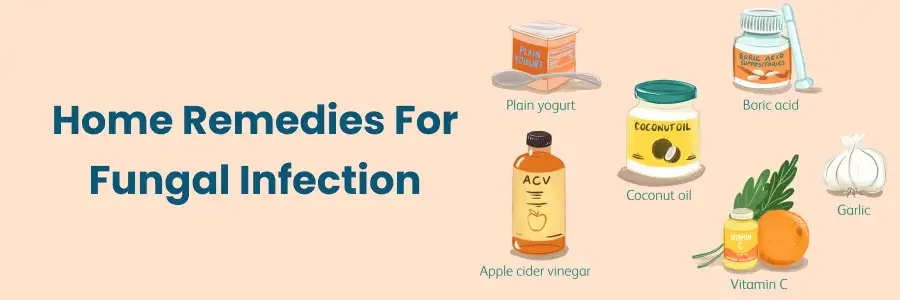
Home Remedies for Fungal Infections
Fungal infections are a common ailment affecting millions of individuals globally. These infections can manifest in various forms, such as athlete's foot, jock itch, ringworm, and yeast infections. While over-the-counter medications are available, many people seek natural alternatives to treat and prevent these infections. This article delves into various home remedies for fungal infections, exploring their efficacy and how they can be integrated into your daily routine.
Get a second opinion from trusted experts and makeconfident, informed decisions.
Get Second OpinionNot sure where to start?
Talk to a patient care advisor — free, confidential, 24/7. We'll match you to the right specialist and book your appointment in minutes.
Understanding Fungal Infections
Fungal infections are caused by an overgrowth of fungi, which thrive in warm, moist environments. They can affect the skin, nails, and even internal organs. Common symptoms include itching, redness, and discomfort. While they are generally not life-threatening, fungal infections can be highly uncomfortable and persistent if not treated properly.
Natural Treatments for Fungal Infections
Coconut Oil and Fungal Infections
Coconut oil is renowned for its antifungal properties, primarily due to the presence of lauric acid and caprylic acid. These compounds can effectively combat fungal infections by disrupting the fungi's cell membranes.
How to Use Coconut Oil
- Topical Application: Apply a thin layer of coconut oil to the affected area twice daily. Ensure the area is clean and dry before application.
- Dietary Supplement: Incorporate coconut oil into your diet. Consuming one to two tablespoons daily can boost your immune system and help fight fungal infections from within.
Yogurt for Fungal Infection
Yogurt, particularly probiotic yogurt, is rich in beneficial bacteria that can help maintain a healthy balance of microorganisms in the body. These bacteria can inhibit the growth of harmful fungi.
How to Use Yogurt
- Topical Application: Apply plain, unsweetened yogurt to the affected area and leave it on for 20-30 minutes before rinsing off with warm water.
- Dietary Supplement: Include probiotic yogurt in your daily diet to promote overall gut health and enhance your body's natural defense against infections.
Turmeric for Fungal Infections
Turmeric contains curcumin, a compound with potent anti-inflammatory and antifungal properties. It can help reduce inflammation and inhibit the growth of fungi.
How to Use Turmeric
- Topical Application: Create a paste by mixing turmeric powder with water or coconut oil. Apply the paste to the affected area and leave it on for 30 minutes before rinsing off.
- Dietary Supplement: Add turmeric to your meals or consume turmeric supplements to boost your immune system and help fight fungal infections from within.
Essential Oils for Fungal Infection
Essential oils such as tea tree oil, lavender oil, and oregano oil are known for their antifungal properties. These oils can effectively treat various fungal infections.
How to Use Essential Oils
- Tea Tree Oil: Mix a few drops of tea tree oil with a carrier oil (such as coconut oil) and apply it to the affected area twice daily.
- Lavender Oil: Similar to tea tree oil, lavender oil can be mixed with a carrier oil and applied to the infected area.
- Oregano Oil: Dilute oregano oil with a carrier oil and apply it to the affected area. Be cautious, as oregano oil can be potent and may cause skin irritation if used undiluted.
Garlic for Fungal Infection
Garlic is a natural antifungal agent, thanks to its active compound allicin. It can help inhibit the growth of fungi and boost the immune system.
How to Use Garlic
- Topical Application: Crush a few garlic cloves to create a paste. Apply the paste to the affected area and leave it on for 30 minutes before rinsing off.
- Dietary Supplement: Incorporate fresh garlic into your diet or take garlic supplements to enhance your body's natural defense against infections.
Tea Tree Oil for Fungal Infection
Tea tree oil is a powerful antifungal agent that can effectively treat various fungal infections. Its active compounds, such as terpinen-4-ol, can penetrate the skin and inhibit fungal growth.
How to Use Tea Tree Oil
- Topical Application: Mix tea tree oil with a carrier oil and apply it to the affected area twice daily. Ensure the area is clean and dry before application.
- Foot Soak: Add a few drops of tea tree oil to a basin of warm water and soak your feet for 15-20 minutes. This method is particularly effective for treating athlete's feet.
Apple Cider Vinegar for Fungal Infection
Apple cider vinegar (ACV) is known for its antifungal and antibacterial properties. It can help restore the natural pH balance of the skin, making it less hospitable for fungi to thrive.
How to Use Apple Cider Vinegar
- Topical Application: Dilute ACV with an equal amount of water and apply it to the affected area using a cotton ball. Leave it on for 15-20 minutes before rinsing off.
- Foot Soak: Add a cup of ACV to a basin of warm water and soak your feet for 15-20 minutes. This method can be particularly effective for treating toenail fungus and athlete's foot.
Precautions and Considerations
While home remedies can be effective in treating mild to moderate fungal infections, it is essential to exercise caution and consider the following:
- Allergies and Sensitivities: Conduct a patch test before using any new remedy to ensure you are not allergic or sensitive to it.
- Consistency: Natural treatments may take longer to show results compared to conventional medications. Consistency and patience are key.
- Consult a Healthcare Professional: If your symptoms persist or worsen, seek medical advice. Home remedies may not be sufficient for severe infections or those affecting internal organs.
Your health is everything - prioritize your well-being today.
Schedule Your AppointmentConclusion
Fungal infections can be uncomfortable and persistent, but with the right approach, they can be effectively managed. Home remedies such as coconut oil, yogurt, turmeric, essential oils, garlic, tea tree oil, and apple cider vinegar offer natural alternatives for treating and preventing fungal infections. By incorporating these remedies into your daily routine and taking necessary precautions, you can maintain healthy skin and nails, free from fungal infections.
Frequently Asked Questions
Common home remedies include using antifungal essential oils (e.g., tea tree oil), garlic, and yogurt.
Tea tree oil has antifungal properties that can help treat skin infections. Dilute it with a carrier oil before applying to avoid irritation.
Yes, garlic has antifungal properties. It can be used topically by making a paste or consuming it to help fight infections. Apply it with caution to avoid skin irritation.
Yogurt contains probiotics, which can help restore the natural balance of microorganisms and combat fungal infections. Apply plain yogurt to the affected area or consume it regularly.
Other remedies include using apple cider vinegar, which has antifungal properties, and maintaining good hygiene to prevent the spread of the infection.
- Cardiology
- Case Studies
- Dermatology
- Endocrinology
- ENT
- Fertility
- Gastroenterology
- General
- General-Medicine
- Gynecology
- Hematology
- Infectious-Diseases
- Medical News
- Neurology
- Oncology
- Ophthalmology
- Orthopedics
- Pediatrics
- Procedure
- Public-Health
- Pulmonology
- Radiology
- Second Opinion
- Urology
- Wellness
- Woman-and-child
Related Blogs
Still have questions? Speak with our experts now!
040-68334455


